
When your five-year-old refuses vegetables, catches another cold or leaves half their dinner untouched, you may find yourself searching for “what vitamins are good for 5 year olds” or comparing supplements for kids in South Africa. Yet, according to the American Academy of Pediatrics, most healthy children who eat a balanced diet do not need additional vitamin supplements.
Meanwhile, colourful gummies, immune-support formulas and persuasive health claims can make supplement shopping overwhelming. Knowing what age children should start taking supplements, which nutrients they genuinely need, and which products could cause harm makes the decision even more challenging.
This guide takes a practical look at children's supplements, highlighting the nutrients worth considering, the products to skip, and when supplementation makes sense. At Jannis Health, we believe informed nutrition choices should begin with scientific evidence, not marketing promises, helping you support your child's healthy growth without unnecessary supplementation.
 Vitamin D in a South African Winter: How Much, What Form, and Who Actually Needs It
Do Children Really Need Supplements?
Children need essential nutrients to support healthy growth, brain development, strong bones, and normal immune function. However, they do not necessarily need these nutrients in supplement form.
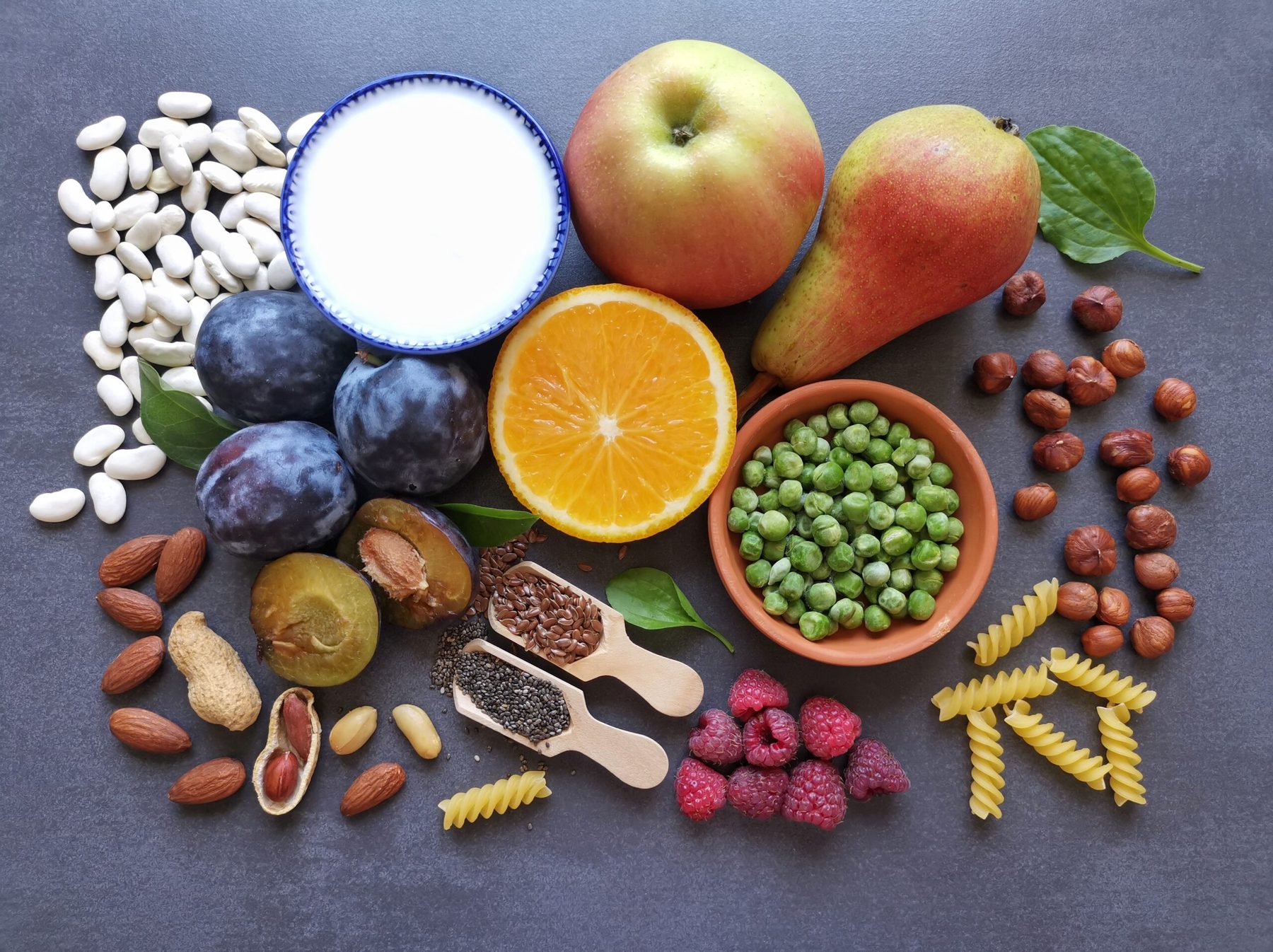
A varied diet containing fruits, vegetables, whole grains, dairy products, eggs, fish, and other protein sources can meet most nutritional requirements.
However, supplementation may benefit children who:
- Follow restrictive diets, including poorly planned vegan diets.
- Have diagnosed nutritional deficiencies.
- Experience persistent feeding difficulties that limit their nutritional intake.
- Have medical conditions that affect nutrient absorption.
- Have increased nutritional requirements due to specific health conditions.
South Africa also addresses nutritional deficiencies through its Regulations Relating to the Fortification of Certain Foodstuffs, which require the addition of selected nutrients to qualifying maize meal and wheat flour.
I would always prioritise food before supplements. A supplement should address a genuine nutritional need rather than compensate for every missed vegetable or unfinished meal.
 How to Read a Supplement Label in 60 Seconds
What Age Should Children Start Taking Supplements?
No single age determines when children should start taking supplements. Some infants need specific nutrients shortly after birth, while other children may reach adolescence without requiring routine supplementation.
The decision depends on feeding habits, growth, nutritional intake, and medical advice.
|
Age group |
Supplement considerations |
|
Birth to 12 months |
Breastfed and partially breastfed infants generally need vitamin D supplementation. Some infants may also need additional iron. |
|
1–3 years |
Focus on varied meals. Consider supplementation when feeding difficulties or nutritional gaps arise. |
|
4–8 years |
Assess dietary intake and growth before introducing routine supplements. |
|
9–13 years |
Pay attention to nutritional requirements during rapid growth and physical development. |
|
14–18 years |
Consider individual needs, particularly iron requirements among menstruating teenagers and vitamin B12 intake among those following vegan diets. |
The Centers for Disease Control and Prevention (CDC) recommends 400 IU of vitamin D daily for breastfed and partially breastfed infants, starting shortly after birth.
South Africa also operates a public health vitamin A supplementation programme for eligible children aged six months to five years through its healthcare services. Parents should consult their local clinic before giving additional vitamin A independently.
Age alone should never determine supplement use. Always consider the child's nutritional needs and choose age-appropriate products with professional guidance.
 Gut Health: Signs, Foods and How to Reset Your Gut
What Vitamins Are Good for 5-Year-Olds?
At five years old, children experience important changes in physical growth, learning, concentration, and social development. Their bodies require a combination of vitamins and minerals to support these changes.
The following table highlights essential vitamins for children aged four to eight years, including five-year-olds.
|
Vitamin |
Recommended daily intake |
Main benefit |
Food sources |
|
400 mcg RAE |
Supports eyesight and immune function |
Carrots, spinach, sweet potatoes |
|
|
0.6 mg |
Supports brain development and metabolism |
Chicken, bananas, chickpeas |
|
|
1.2 mcg |
Supports nerve function and red blood cell production |
Eggs, milk, meat |
|
|
25 mg |
Supports immune function and iron absorption |
Oranges, guavas, peppers |
|
|
600 IU (15 mcg) |
Supports calcium absorption and bone development |
Pilchards, eggs, fortified foods |
|
|
7 mg |
Helps protect cells from oxidative damage |
Avocados, seeds, nut butters |
|
|
55 mcg |
Supports normal blood clotting and bone health |
Spinach, broccoli, cabbage |
|
|
Folate (B9) |
200 mcg DFE |
Supports cell growth and development |
Beans, lentils, leafy vegetables |
Source: NIH Office of Dietary Supplements. These figures represent US dietary reference intakes, including adequate intake for vitamin K, rather than South African supplement prescriptions.
These amounts represent total daily nutritional intake from food and supplements combined. They do not indicate how much vitamin supplementation every five-year-old needs.
Before purchasing a children's multivitamin, consider what your child already eats. A child who regularly consumes eggs, vegetables, fruit, dairy products, and protein-rich foods may already obtain many of these nutrients.
 Vitamin D: The Sunshine Vitamin Most of Us Don't Understand
Supplements for Kids Worth Considering and Why
When choosing supplements for kids in South Africa, I would focus on nutrients that address specific nutritional needs and have credible scientific evidence supporting their use.
#1. Vitamin D
Vitamin D helps children absorb calcium and develop strong bones. Supplementation may benefit children with limited dietary intake, reduced sunlight exposure or a diagnosed deficiency.
Choose an age-appropriate dosage rather than an adult-strength formula.
#2. Omega-3 Fatty Acids
Omega-3 fatty acids, particularly DHA, contribute to normal brain and eye development. Children who rarely consume oily fish may benefit from discussing omega-3 supplementation with a healthcare professional.
However, omega-3 supplements do not guarantee improved intelligence, concentration or academic performance.
#3. Iron
Iron supports haemoglobin production, oxygen transportation and cognitive development. Children with confirmed iron deficiency may require supplementation.
The World Health Organization (WHO) provides guidance on iron supplementation for children in populations with a high prevalence of anaemia.
Avoid giving iron supplements without appropriate guidance, as excessive iron can cause serious poisoning in children.
 Mood-Boosting Foods: What to Eat for Emotional Wellness
#4. Probiotics
Certain probiotic strains may help manage specific digestive concerns, including antibiotic-associated diarrhoea. However, their benefits depend on the strain, dosage and health condition.
The National Center for Complementary and Integrative Health (NCCIH) provides further information about probiotic effectiveness and safety.
#5. Vitamin B12
Vitamin B12 supplementation deserves particular consideration for children following vegan diets without reliable fortified food sources. This nutrient supports healthy nerve function and red blood cell production.
#6. Calcium
Children who consume insufficient calcium through dairy products or suitable alternatives may need additional support. However, dietary sources should remain the first choice where possible.
At Jannis Health, we encourage parents to look beyond attractive packaging and understand the purpose, ingredients, and dosage of each supplement before making a purchase.
 Not All Magnesium Is the Same: How to Read the Label Before You Buy
Children's Supplements I Would Skip and Why
Not every product marketed for children deserves a place in their daily routine. Some contain unnecessarily high nutrient concentrations, while others rely on health claims that lack sufficient scientific evidence.
|
Supplements I would skip |
Why I would avoid them |
|
High-dose multivitamins |
May cause children to exceed safe daily nutrient limits. |
|
Detox and cleansing supplements |
Lack an established role in routine childhood nutrition and may cause harmful side effects. |
|
Unnecessary immune boosters |
Often make claims that exceed available scientific evidence. |
|
Adult-strength supplements |
May contain nutrient concentrations unsuitable for children. |
|
Weight-loss supplements |
Can interfere with healthy growth and cause serious adverse effects. |
|
Unverified herbal blends |
May contain ingredients with limited safety research involving children. |
|
Sleep supplements without medical advice |
Products containing melatonin require careful assessment of the child's sleep difficulties and health needs. |
|
Gummies with excessive added sugar |
Can contribute to tooth decay and encourage children to treat supplements like sweets. |
|
Brain-boosting supplements |
Lack sufficient evidence to guarantee better memory, intelligence or school performance in healthy children. |
In South Africa, the South African Health Products Regulatory Authority (SAHPRA) oversees health supplements within the regulatory framework of the Medicines and Related Substances Act 101 of 1965.
Parents should pay attention to product claims, ingredient transparency, dosage instructions, and age restrictions. Natural ingredients do not automatically guarantee safety, particularly for young children.
My approach would remain simple: choose supplements with a clear nutritional purpose, skip products that promise unrealistic results, and consult a healthcare professional whenever uncertainty arises. A child's health needs should determine what goes into their supplement routine, not marketing trends.
 Folic Acid vs. Folate | Pregnancy Nutrition Tips for Every Woman
How to Choose Safe Supplements for Kids in South Africa
Choosing safe supplements for kids in South Africa requires more attention than simply picking a product with attractive packaging or positive customer reviews. Parents need to understand what each product contains, how manufacturers recommend using it and whether it suits their child's needs.
The following checklist can help you make better purchasing decisions.
|
What to check |
Why it matters |
|
Age recommendations |
Helps you select a formulation suitable for your child's age. |
|
Dosage per serving |
Prevents confusion between the amount per tablet, gummy or recommended serving. |
|
Full ingredient list |
Helps identify allergens, artificial additives and unnecessary ingredients. |
|
Expiry date and batch number |
Helps you assess product freshness and traceability. |
|
Manufacturer information |
Allows you to identify and contact the company responsible for the product. |
|
Storage instructions |
Helps maintain product quality and effectiveness. |
|
Scientific evidence |
Helps you distinguish credible health benefits from exaggerated marketing claims. |
Common Mistakes Parents Make When Giving Children Supplements
Even with good intentions, parents can make mistakes that affect supplement safety or effectiveness. Understanding these mistakes can help you establish a safer routine for your child.
|
Common mistake |
What to do instead |
|
Giving several supplements together |
Compare ingredient lists to avoid consuming the same nutrients in excessive amounts. |
|
Doubling a dose after missing one |
Follow the product instructions or ask a pharmacist for guidance. |
|
Using a kitchen spoon for liquid supplements |
Use the supplied measuring device or an appropriate oral syringe. |
|
Allowing children to take supplements independently |
Supervise every dose and store products securely out of reach. |
|
Ignoring possible medication interactions |
Inform your child's healthcare professional about every supplement they take. |
|
Continuing supplements indefinitely |
Review whether your child still needs supplementation periodically. |
|
Crushing tablets or opening capsules without checking |
Ask a pharmacist whether the formulation allows this method of administration. |
|
Ignoring unusual reactions |
Stop using a non-prescribed supplement and seek medical advice if concerning symptoms develop. |
 Magnesium for Women: What It Does for You at 30, 40 and 50+
How Jannis Health Helps Parents Make Informed Supplement Choices
Every child has different nutritional needs, and finding the right supplement should not involve guesswork. Parents deserve access to clear product information and reliable guidance before introducing anything into their children's daily routines.
Here, we encourage informed wellness decisions through nutrition education and access to health supplements.
Through our platform, parents can:
- Explore nutritional supplements and review their ingredients.
- Learn how to interpret supplement labels and understand dosage instructions.
- Develop a better understanding of vitamins, minerals and other essential nutrients.
- Access educational resources that explain the relationship between nutrition and everyday health.
- Make more informed purchasing decisions based on their family's nutritional needs.
Our Health Journal provides practical information to help families navigate nutrition and supplementation without relying solely on marketing promises.
Whether you want to understand what vitamins children need at five years old or explore suitable supplements for kids in South Africa, we encourage you to put your child's nutritional needs first.

Frequently Asked Questions
Can children take supplements on an empty stomach?
Some supplements allow this, while others work better with food. Fat-soluble vitamins such as A, D, E and K absorb better when consumed with dietary fat. Always follow the product instructions.
Do children's vitamin gummies work as well as tablets?
Gummies can provide essential nutrients when they contain appropriate ingredients and dosages. However, formulations differ, so compare their nutritional content rather than choosing based on taste alone.
Can supplements improve a child's appetite?
Supplements may help when a specific nutritional deficiency contributes to poor appetite. However, persistent appetite problems require professional assessment rather than routine appetite-boosting products.
Should children take supplements when they have a cold?
Routine supplementation does not guarantee faster recovery from a cold. Prioritise adequate fluids, nutritious meals, rest and appropriate medical care.
Can supplements help children grow taller?
Correcting nutritional deficiencies can support normal growth. However, supplements cannot make a well-nourished child grow beyond their natural growth potential.
Can children take protein powder?
Most children can meet their protein requirements through everyday meals. Children with specific medical or nutritional needs may require specialised products under professional guidance.
How long should a child take supplements?
The duration depends on the reason for supplementation. Some children need short-term nutritional support, while others may require longer supplementation due to dietary restrictions or medical conditions.