"I'm bloated by three o'clock every day." I hear some version of that sentence more than any other. Usually it's said with a shrug, as if a heavy, uncomfortable afternoon is just part of being an adult.
It doesn't have to be. Your gut is one of the hardest-working systems in your body, and it responds to how you treat it faster than almost anything else. So this month at Jannis Health is all about gut health, and I want to start with the basics: what your gut actually does, how to tell when it needs attention, what feeds it, and why the order you do things in matters more than any single product.
Your gut does much more than digest
Yes, it breaks down your food and absorbs the nutrients. But your gut also:
- Houses most of your immune system. A large share of your body's immune cells sit in and around the gut wall, deciding what's food and what's a threat.3
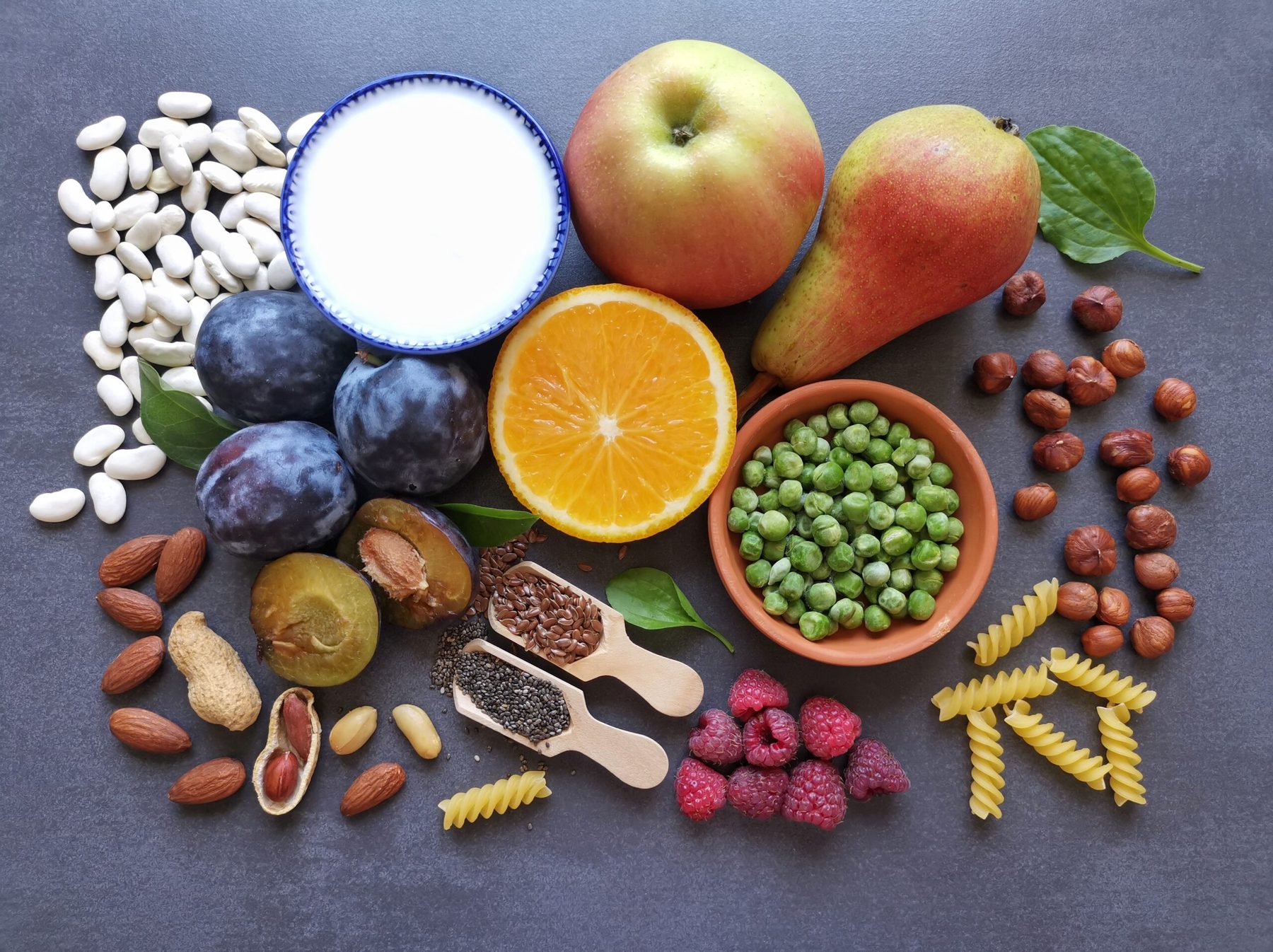
- Hosts trillions of bacteria. Together they're called your gut microbiome. They help digest fibre you can't break down yourself, and they make compounds that nourish the gut lining.7
- Talks to your brain all day. Through nerves, hormones and immune signals, your gut and brain are in constant conversation. It's why stress can go straight to your stomach, and why your gut can affect your mood.6
 Mood-Boosting Foods: What to Eat for Emotional Wellness
When it all works well, you barely notice it. When it doesn't, you feel it everywhere.
Signs your gut is asking for attention
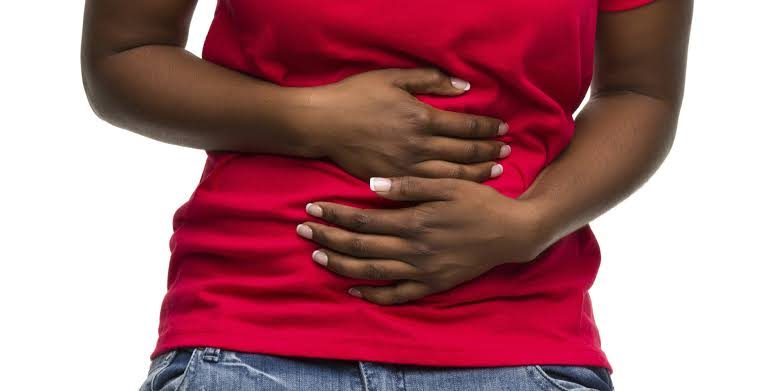
- Bloated most afternoons. A bit of bloating after a big meal is normal. Being uncomfortable most days isn't.
- Unpredictable. Sluggish one day, rushing the next. If you're not going properly at least most days, everything else is working uphill.
- Heavy and tired after meals. Food should give you energy, not take it away.
- Recent antibiotics. Antibiotics save lives, and they also thin out good bacteria. In some people the gut takes months to recover fully.4
- Few plants, lots of quick food. Years of eating on the run leave your gut bacteria with very little to eat.
- Stress lands in your stomach. That's the gut-brain connection at work.
Everyone has an off day. If several of these are your normal, your gut deserves some attention.
When to see a doctor, not a supplement shelf
Some symptoms need a doctor before anything else. Please don't try to manage these at home:
- blood in your stool, or black, tarry stools
- weight loss you can't explain
- severe pain, or pain that keeps getting worse
- difficulty swallowing, or vomiting that won't stop
- a change in your bowel habits that lasts more than three weeks
- new symptoms after the age of 50
The same goes if you're pregnant or breastfeeding, take regular medication, or live with a diagnosed condition like IBS, Crohn's disease, ulcerative colitis or coeliac disease. Talk to your doctor before you change anything.8
 It Could Be Stomach Cancer Symptoms, Not an Ulcer
What your gut bacteria actually eat
Here's the part most people don't realise: you're not only feeding yourself, you're feeding your gut bacteria. And what they need most is fibre.
The fibre you can't digest travels down to your large intestine, where your bacteria ferment it. In return, they make short-chain fatty acids, which help nourish the cells that line your gut.7 Diets higher in fibre are linked with better long-term health. A large review for the World Health Organization found the benefits were strongest at 25 to 29 grams of fibre a day,5 which is more than most of us eat.
Variety beats volume.
In the American Gut Project, people who ate 30 or more different plants a week had more varied gut bacteria than people who ate 10 or fewer.1 Different plants feed different bacteria. And it's not only fruit and veg: beans, grains, nuts, seeds, herbs and spices all count.
The South African gut-friendly plate
You don't need anything exotic. Some of the best gut foods are already in our kitchens:
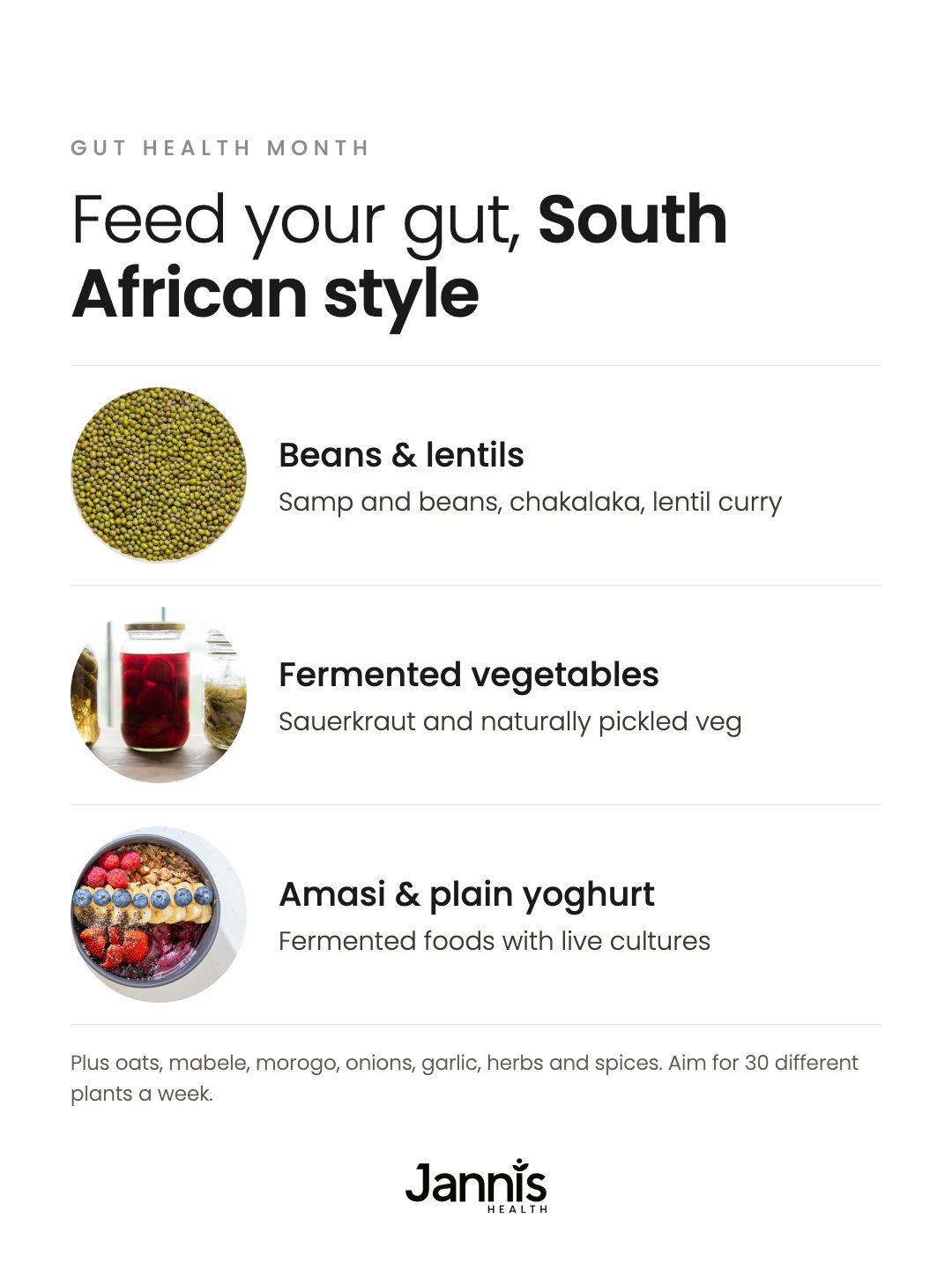
- Beans and lentils: samp and beans, chakalaka, lentil curry, sugar beans in a stew. These are among the richest sources of fibre there is.
- Whole grains: oats, mabele (sorghum) porridge, brown rice, whole-wheat bread.
- Greens and vegetables: morogo, spinach, cabbage, butternut, onions and garlic. Onions and garlic contain prebiotic fibres that help feed good bacteria.
- Fermented foods: amasi, plain yoghurt with live cultures, and sauerkraut. In a Stanford study, a diet high in fermented foods for 10 weeks increased the variety of gut bacteria.2
- Herbs, spices, nuts and seeds: a sprinkle of seeds on your porridge, coriander in your stew, a handful of peanuts. Each different one counts as a plant.
One tip: if you're not used to fibre, go slowly. Add one new high-fibre food every few days and drink more water. Going from very little fibre to a lot overnight is a reliable way to feel more bloated, not less. And if you love a green juice, it's worth knowing what happens to the fibre when you juice.
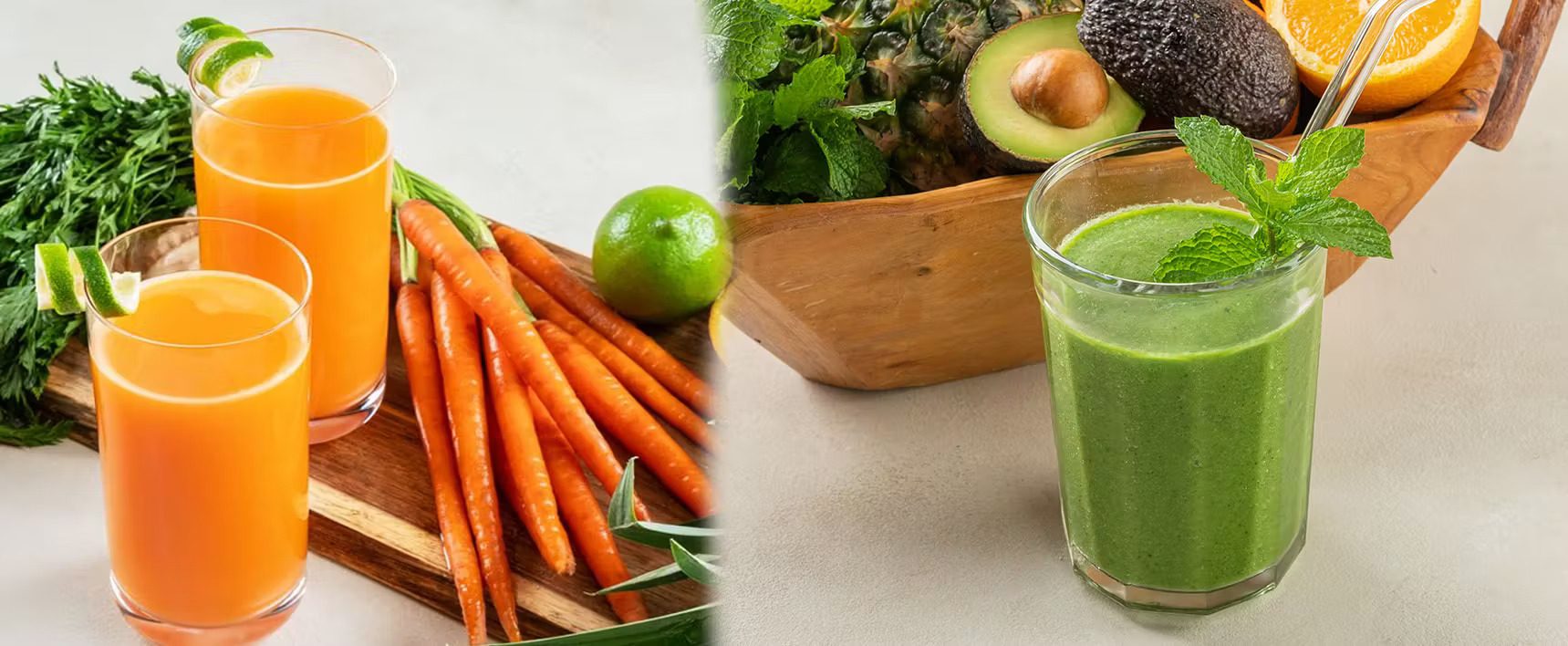 Does Juicing Take Out Fiber? Juicing vs Blending
Why most gut plans fail: the order matters
When people tell me their gut supplements "didn't work", it's rarely because they bought the wrong products. Usually they did things in the wrong order. A gut that has been off for a while needs three things to happen, one after the other:
| ❶ | Clear it
First, things have to move. If you're not going to the toilet properly, a probiotic has very little room to work. Fibre and water come first. |
| ❷ | Repopulate it
Antibiotics, stress and years of eating on the run thin out good bacteria. Fermented foods help, and a good probiotic (live bacteria in amounts shown to have a benefit) can help put them back.9 |
| ❸ | Feed it
Feed your bacteria with a variety of plants, and give the gut lining the raw materials it uses to maintain itself. Glutamine, for example, is the main fuel for the cells of the small intestine.10 |
Then give it time. Your gut bacteria start to respond to what you eat within days, but lasting change comes from consistency. I ask people to give their new habits eight weeks before they decide whether something is working.



Lisa's pick
The Gut Reset
When digestion has felt off for a while, this is where I start people. It's three Metagenics practitioner products, one for each step:
- Clear it: Colon Ecology, 150 capsules. Psyllium fibre, herbs, enzymes and good bacteria in one capsule. It has been in my own cupboard for years.
- Repopulate it: UltraFlora Balance, 30 capsules. 15 billion beneficial bacteria, one capsule a day, to support digestion and immunity.
- Feed it: Glutagenics. Glutamine, liquorice and aloe, one scoop in water, to support the gut lining.
Together they're R2,055 with free delivery, exactly what the three cost on their own. Follow the directions on each label, and keep eating more plants while you take them.
Try this week
Count your plants. Every different fruit, vegetable, bean, grain, nut, seed, herb and spice counts once. Most people land somewhere around 10. See how close you can get to 30, and tell me your number on Instagram @jannishealth.
Frequently Asked Questions
What are the signs of an unhealthy gut?
Common signs are bloating most afternoons, bowel habits that swing between sluggish and urgent, feeling heavy and tired after meals, and symptoms that started after antibiotics or a stressful period. Everyone has off days. If several of these are your normal, your gut deserves some attention, and a doctor should check anything severe or new.
How long does it take to improve gut health?
Your gut bacteria respond to what you eat within days, but lasting change takes consistency. Give new habits, such as more fibre and a wider variety of plants, at least six to eight weeks before you judge them.
Do I need a probiotic for gut health?
Not everyone does. Food comes first: fibre, a variety of plants and fermented foods like amasi or plain yoghurt. A probiotic can help after antibiotics, during stress or travel, or when your diet has been limited for a long time.
What are the best foods for gut health?
Beans and lentils, whole grains like oats, sorghum and brown rice, vegetables such as morogo, spinach, onions and garlic, fruit, nuts, seeds, herbs and spices, plus fermented foods like amasi and plain yoghurt. Variety matters as much as quantity, so aim for 30 different plants a week.
When should I see a doctor about bloating?
See a doctor if you have blood in your stool, weight loss you can't explain, severe or worsening pain, difficulty swallowing, vomiting, a lasting change in bowel habits, or if you are over 50 and your symptoms are new.
With love,
Lisa Chime
Founder of Jannis Health
This article is general information, not medical advice. Speak to your doctor or pharmacist before starting a supplement, especially if you are pregnant, breastfeeding, on medication or managing a health condition.
References
- McDonald D, Hyde E, Debelius JW, et al. American Gut: an open platform for citizen science microbiome research. mSystems. 2018;3(3):e00031-18. doi.org/10.1128/mSystems.00031-18
- Wastyk HC, Fragiadakis GK, Perelman D, et al. Gut-microbiota-targeted diets modulate human immune status. Cell. 2021;184(16):4137–4153. doi.org/10.1016/j.cell.2021.06.019
- Vighi G, Marcucci F, Sensi L, Di Cara G, Frati F. Allergy and the gastrointestinal system. Clinical and Experimental Immunology. 2008;153(Suppl 1):3–6. doi.org/10.1111/j.1365-2249.2008.03713.x
- Dethlefsen L, Relman DA. Incomplete recovery and individualized responses of the human distal gut microbiota to repeated antibiotic perturbation. PNAS. 2011;108(Suppl 1):4554–4561. doi.org/10.1073/pnas.1000087107
- Reynolds A, Mann J, Cummings J, Winter N, Mete E, Te Morenga L. Carbohydrate quality and human health: a series of systematic reviews and meta-analyses. The Lancet. 2019;393(10170):434–445. doi.org/10.1016/S0140-6736(18)31809-9
- Cryan JF, O'Riordan KJ, Cowan CSM, et al. The microbiota-gut-brain axis. Physiological Reviews. 2019;99(4):1877–2013. doi.org/10.1152/physrev.00018.2018
- Sonnenburg ED, Sonnenburg JL. Starving our microbial self: the deleterious consequences of a diet deficient in microbiota-accessible carbohydrates. Cell Metabolism. 2014;20(5):779–786. doi.org/10.1016/j.cmet.2014.07.003
- NHS. Bowel cancer: symptoms and Bloating.
- Hill C, Guarner F, Reid G, et al. Expert consensus document: the International Scientific Association for Probiotics and Prebiotics consensus statement on the scope and appropriate use of the term probiotic. Nature Reviews Gastroenterology & Hepatology. 2014;11(8):506–514. doi.org/10.1038/nrgastro.2014.66
- Kim MH, Kim H. The roles of glutamine in the intestine and its implication in intestinal diseases. International Journal of Molecular Sciences. 2017;18(5):1051. doi.org/10.3390/ijms18051051