
Living with PCOS can feel like a rollercoaster, physically and emotionally. From sudden weight gain and hormonal acne to mood swings, irregular periods, and fertility challenges, the condition impacts nearly 1 in 10 women of reproductive age. Yet despite its prevalence, many women feel frustrated, misunderstood, and unsure of where to start. If this sounds familiar, you're not alone, and you're not powerless.
So, if you belong to the group of persons asking several questions about PCOS and diet, like;
- Can food really help balance hormones?
- Is there such a thing as a real PCOS treatment diet?
- What’s the connection between PCOS and diet, and how do you know which foods help or hurt?
Then you’ve bumped into the right post. At Jannis Health, we believe that healing begins on your plate. While there’s no one-size-fits-all cure for PCOS, your diet for PCOS plays a crucial role in managing symptoms and supporting long-term well-being. In this article, we’ll walk you through how nutrition affects hormone balance, what to eat, what to avoid, and why a personalized approach, guided by our expert registered dietitians, can make all the difference in your PCOS journey.
BOOST PRODUCTIVITY WITH JANNIS HEALTH
What Exactly Is PCOS?
Polycystic Ovary Syndrome (PCOS) is a complex hormonal condition that affects how a woman’s ovaries function. Despite its name, not every woman with PCOS has multiple ovarian cysts. Instead, the defining feature is an imbalance in reproductive hormones, especially an excess of androgens, often referred to as “male” hormones, that can interfere with ovulation, metabolism, and mood.
 Intermittent Fasting ǀ Is It Safe and Effective for All?
Common symptoms of PCOS include:
- Irregular or missed menstrual periods
- Excess hair growth on the face, chest, or back (hirsutism)
- Persistent acne or oily skin
- Unexplained weight gain, especially around the midsection
- Difficulty losing weight despite diet and exercise
- Hair thinning or scalp hair loss
- Mood swings, anxiety, and depressive episodes
- Sugar cravings, fatigue, or energy crashes
- Trouble conceiving or infertility
PCOS affects not only reproductive health but also your metabolism, mental health, and long-term risk for conditions like type 2 diabetes, insulin resistance, and cardiovascular disease. The exact cause isn’t fully known, but factors like genetics, chronic inflammation, poor diet, insulin resistance, and sedentary lifestyle all contribute to its development and severity.
At Jannis Health, we believe that managing PCOS begins with education, empowerment, and a personalized PCOS treatment diet. The right diet for PCOS can help regulate hormones, reduce inflammation, improve insulin sensitivity, and ease many of the frustrating symptoms women experience daily. 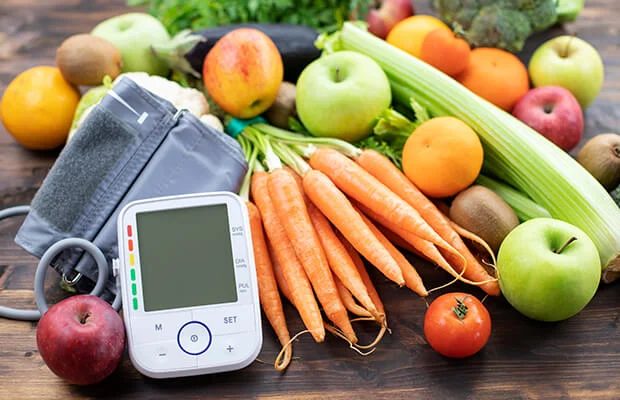 Beating High Blood Pressure With Food | Diet for Hypertension
Why Diet Matters for PCOS

Food won’t “cure” PCOS, but it can transform how you live with it. For many women, PCOS is closely linked to insulin resistance, a condition where the body struggles to use insulin effectively. This can lead to higher blood sugar levels, stubborn weight gain, increased androgen production, and irregular menstrual cycles.
That’s where a well-planned diet for PCOS becomes powerful. What you eat daily plays a direct role in how your hormones behave and how your body responds.
With the right nutrition, you can:
- Regulate insulin and blood sugar levels – Prevent energy crashes, reduce cravings, and lower androgen levels.
- Balance hormones naturally – Support healthy estrogen and progesterone production through nutrient-dense foods.
- Reduce systemic inflammation – Minimize one of the root causes of PCOS-related symptoms like acne, fatigue, and bloating.
- Promote ovulation and reproductive health – A balanced PCOS treatment diet may help restore regular cycles and improve fertility.
- Support weight management – Encourage healthy weight loss without extreme dieting or metabolic burnout.
- Stabilize mood, energy, and focus – Nourish your brain and reduce hormonal mood swings and mental fog.
 Effects of Poor Eating Habits on Learning and Memory | Brain Diet Plan
Best Foods for PCOS Management
When it comes to managing PCOS, food is your most powerful tool. A well-structured diet for PCOS can help regulate hormones, improve insulin sensitivity, reduce inflammation, and promote a balanced weight. The goal isn’t to eat less, but to eat smarter.
What to Add to Your Plate:
#1. High-Fiber Foods
Fiber slows down digestion, stabilizes blood sugar, and supports estrogen detox.
Top picks: Broccoli, cauliflower, spinach, lentils, black beans, oats, apples, chia seeds, brown rice.
#2. Healthy Fats
Essential for hormone production and reducing inflammation, key goals in any effective PCOS treatment diet.
Top picks: Avocados, almonds, chia seeds, flaxseeds, extra virgin olive oil, and fatty fish like salmon or sardines.
 Will Caffeine Cause Anxiety ǀ Finding a Healthy Balance
#3. Lean Protein
Helps manage appetite, preserve muscle mass, and support metabolic health.
Top picks: Eggs, skinless chicken, turkey, grass-fed beef, tofu, Greek yogurt, and legumes.
#4. Low-Glycemic Carbohydrates
These carbs digest slowly, preventing insulin spikes, a vital aspect of managing PCOS and diet.
Top picks: Quinoa, sweet potatoes, whole oats, berries, carrots, and whole grain bread.
#5. Anti-Inflammatory Foods
Chronic inflammation can worsen PCOS symptoms. Anti-inflammatory foods calm your system and support hormone harmony.
Top picks: Turmeric, ginger, garlic, leafy greens, green tea, and antioxidant-rich berries.
#6. Targeted Supplements
Some women benefit from supplements to fill nutritional gaps. These should be used under guidance from a healthcare provider.
Recommended: Calcium Magnesium with Zinc Powder supports hormone metabolism, bone health, and sleep quality.
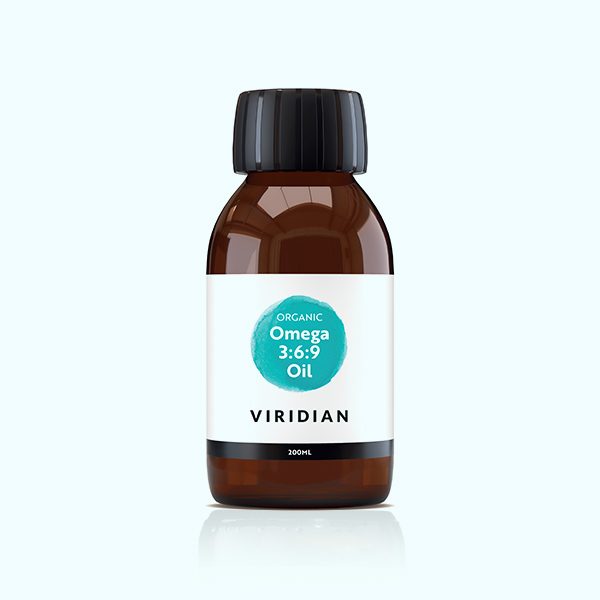
Calcium Magnesium with Zinc Powder – 100g
✔️ osteoporosis or bone fractures
✔️ Neuro-muscular disorders e.g. fibromyalgia
✔️ Chronic fatigue syndrome (CFS)
✔️ Cardiovascular conditions e.g. hypertension
Click here to get your bottle now
Foods to Limit or Avoid
While balance is key, certain foods can interfere with hormone and blood sugar regulation when consumed frequently.
#1. Refined Sugar and Sugary Drinks
Sodas, pastries, candy, and even some fruit juices can spike insulin and worsen cravings.
 How Alcohol Affects Sleep | The Hidden Link Disrupting Your Rest
#2. Processed Carbohydrates
White bread, white rice, and sugary cereals are quickly absorbed and can fuel insulin resistance.
#3. Trans Fats
Found in fried foods, margarine, and many packaged snacks, these fats raise inflammation and disrupt metabolism.
#4. Excess Dairy & Red Meat
For some women, these can trigger acne, inflammation, or hormone sensitivity. Track your symptoms and adjust accordingly.
#5. Caffeine & Alcohol
Both can disrupt cortisol (stress hormone), impair sleep, and worsen mood swings or anxiety, especially when consumed in excess.
 Nutrition for Hormone Balance | What Every Woman Should Know
Busting Common Myths About PCOS and Diet
With so much misinformation online, it’s easy to feel overwhelmed or misled. Let’s clear up some of the biggest myths surrounding PCOS and diet, so you can focus on real solutions.
Myth 1: “You must lose weight to fix PCOS.”
Truth: PCOS affects women of all body sizes, including those who are slim. While weight gain is a common symptom, it’s not the cause. The real goal is hormonal balance, improved insulin sensitivity, and inflammation control. Weight loss may help some, but it’s not a one-size-fits-all cure.
Myth 2: “You have to cut out all carbs.”
Truth: Carbohydrates are not the enemy. In fact, a PCOS treatment diet includes complex, fiber-rich carbs that support hormone production and stable blood sugar. The key is choosing the right carbs and pairing them with protein and healthy fats.
 Free Radicals vs. Antioxidants: The Battle Inside Your Body
Myth 3: “PCOS can be cured with medication alone.”
Truth: While medications like Metformin or hormonal birth control can help manage symptoms, long-term relief often comes from nutritional and lifestyle changes. That’s where a registered dietitian becomes your most valuable partner in health.
Myth 4: “You can’t get pregnant with PCOS.”
Truth: Many women with PCOS successfully conceive, either naturally or with medical support. Restoring hormone balance through a diet for PCOS can help regulate ovulation, making conception more likely and pregnancy healthier.
Why You Need a Registered Dietitian for PCOS Management
PCOS is not just a reproductive condition, it’s a whole-body hormonal and metabolic disorder. And no two women experience it the same way. That’s why individualized nutrition is essential.
A registered dietitian at Jannis Health can help you:
- Decode your lab results and hormone imbalances
- Create a realistic, evidence-based PCOS treatment diet
- Improve insulin sensitivity without extreme diets or deprivation
- Reduce sugar cravings and stabilize energy levels
- Support natural ovulation and fertility
- Manage gut health, inflammation, and nutrient deficiencies
- Choose safe supplements tailored to your unique needs
At Jannis Health, our expert dietitians specialize in compassionate, personalized coaching for PCOS. Whether you’re newly diagnosed or have been struggling silently for years, we’re here to help you reclaim control with science-backed strategies and ongoing support.  Understanding Nutrition Labels ǀ What to Look for When Grocery Shopping
Final Thoughts
PCOS is real, frustrating, and often misunderstood, but it’s also manageable. What you eat can make a huge difference, from your mood and energy to your cycles and fertility.
Don’t fall for one-size-fits-all meal plans or crash diets. Healing with PCOS is a journey, not a quick fix. And you don’t have to walk it alone.
Whether you're trying to regulate your period, reduce bloating, conceive, or feel more in control, nutrition is your first line of support.
At Jannis Health, our PCOS-focused dietitians are here to guide, educate, and empower you every step of the way. Book an appointment with us today.
Frequently Asked Questions About Diet for PCOS
Can diet reverse PCOS completely?
Yes! PCOS doesn’t have a “cure,” but nutrition and lifestyle changes can help reverse many symptoms, regulate cycles, and support fertility, sometimes even better than medication alone.
Do I need to go gluten-free or dairy-free for PCOS?
Not necessarily. Some women feel better removing gluten or dairy, but it’s not required for everyone. A dietitian can help assess your unique tolerance.
Can I still eat fruit if I have PCOS?
Yes! Choose whole fruits with fiber (like berries, apples, or oranges), and pair them with protein or fat to keep blood sugar stable.
Should I try intermittent fasting for PCOS?
It works for some women but may worsen symptoms for others, especially those with a history of disordered eating or adrenal fatigue. Always consult with a dietitian first.
Can PCOS go away with weight loss?
Weight loss may improve symptoms for some, but PCOS is a hormonal condition, not just a weight issue. Even thin women have PCOS.