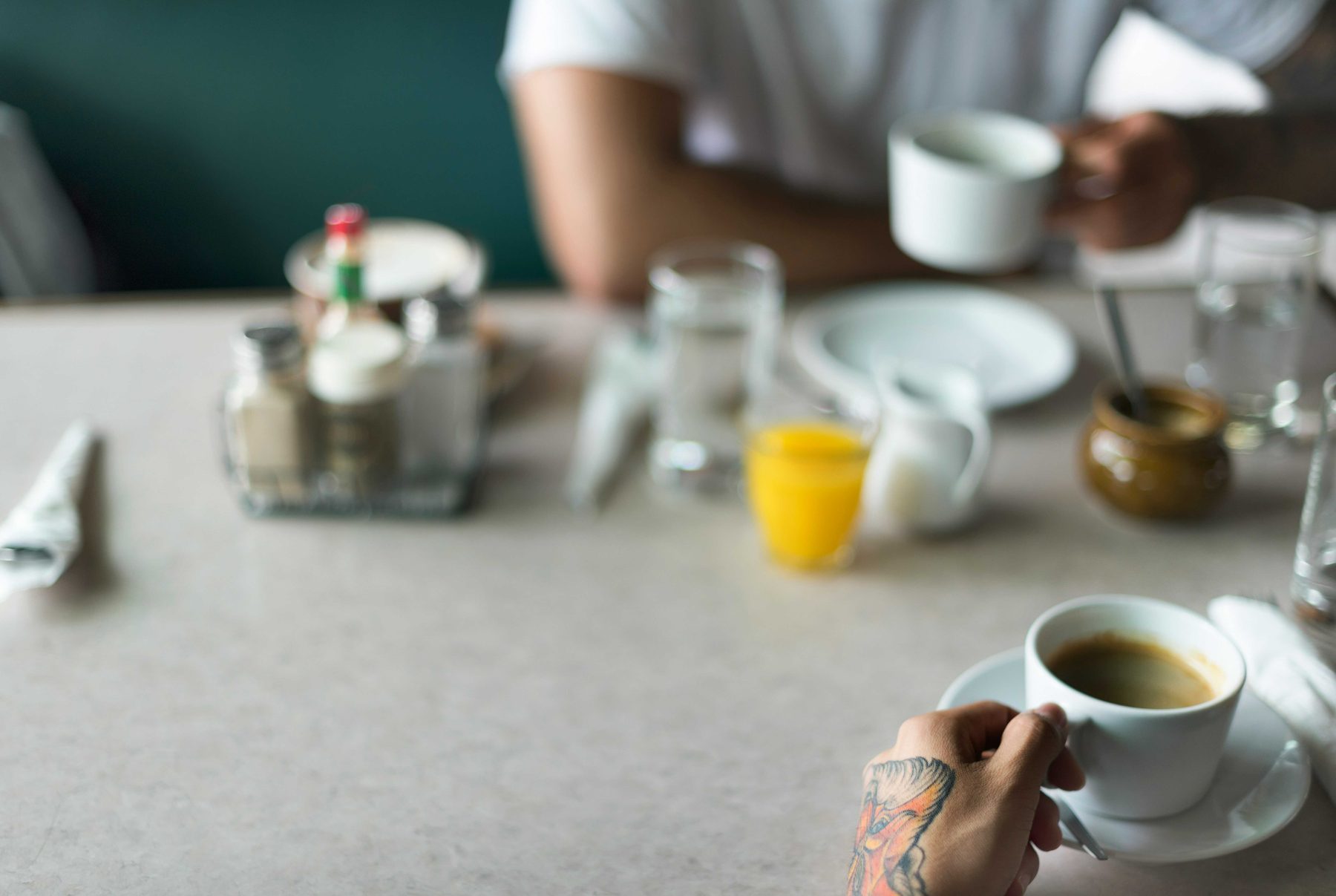
Does your day officially begin only after your first cup of coffee? You’re not alone. Caffeine has become the go-to fuel for millions, offering a quick boost in energy, sharper focus, and increased productivity. But behind that cup of motivation may lie an overlooked consequence, caffeine and anxiety might be more connected than you think.
Have you ever experienced jitters, a racing heart, or restlessness after drinking coffee? Do energy drinks leave you feeling edgy instead of energized? You might be wondering: Will caffeine cause anxiety, or am I just overthinking it? The truth is, while caffeine affects everyone differently, consuming too much, or even the wrong type, can trigger or worsen anxiety symptoms, especially for those already prone to stress or panic attacks.
In this guide, we break down the science behind caffeine and anxiety, separate fact from fiction, and show you how to enjoy your caffeine fix without sacrificing your mental calm. Whether you're looking to reduce anxiety, find natural focus boosters, or simply make smarter dietary choices, Jannis Health is here to guide you. Our registered dietitians are ready to help you create a personalized, balanced wellness plan that supports your energy needs and your peace of mind.
BOOST PRODUCTIVITY WITH JANNIS HEALTH
What Is Caffeine?
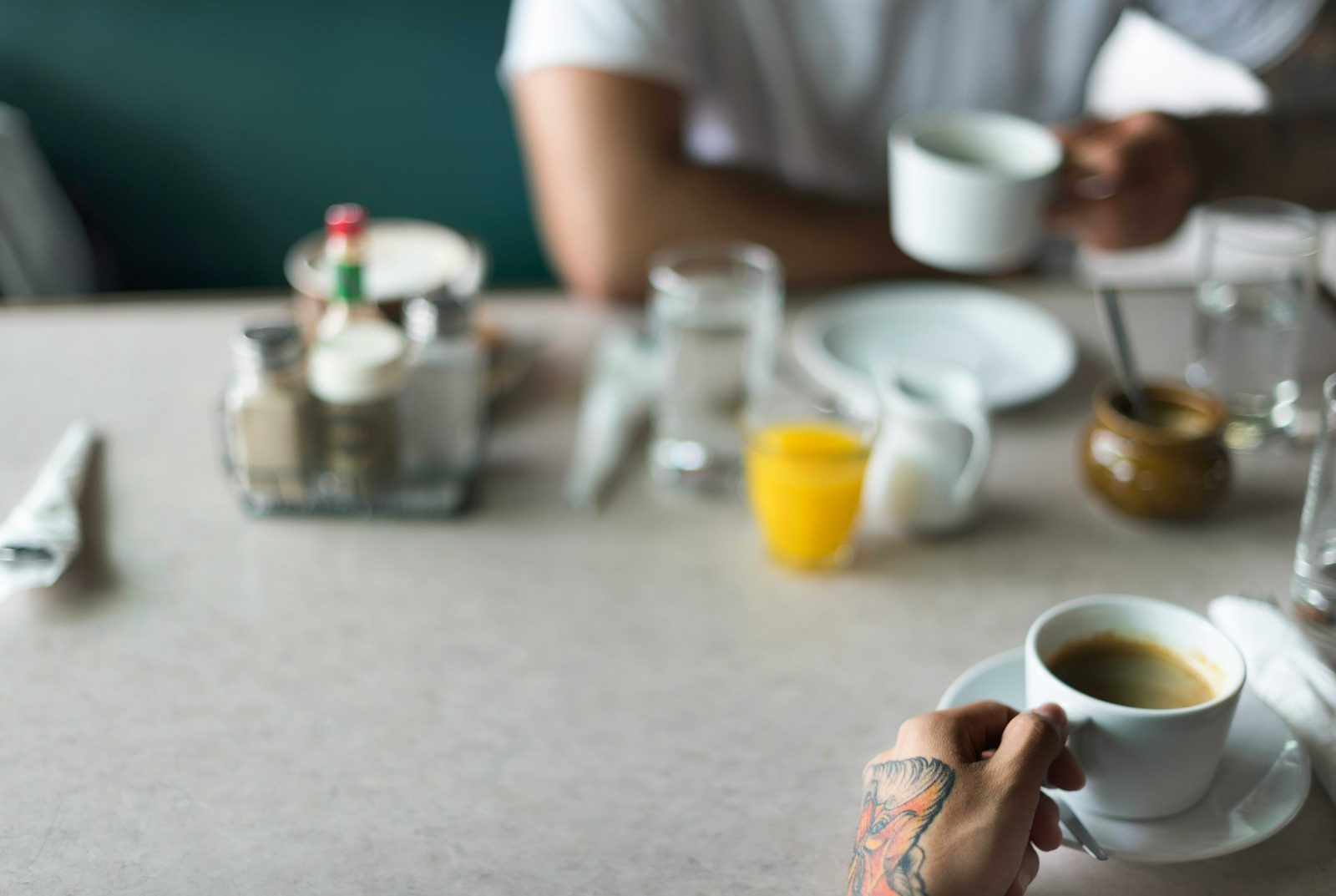
Caffeine is a natural stimulant found in coffee, tea, chocolate, energy drinks, and even some over-the-counter medications. It works by blocking adenosine, a neurotransmitter responsible for making you feel drowsy, giving you that well-known surge of alertness and mental clarity.
But Here’s the Catch...
While caffeine might seem like a productivity superpower, too much caffeine, or sensitivity to it, can backfire. For some, even small amounts can lead to unwanted side effects like:
- Jitters or nervousness
- Restlessness and insomnia
- Rapid heart rate
- Digestive discomfort
- Heightened anxiety or panic attacks
In fact, the effects of caffeine and anxiety can overlap. That buzz you chase might actually be triggering the very symptoms you're trying to avoid, making it harder to stay calm, focused, and emotionally balanced.
 Effect of Malnutrition and Overnutrition | How to Overcome Nutritional Problems
How Much Caffeine Is Too Much?
For most healthy adults, up to 400 mg of caffeine per day is generally considered safe. That’s about:
- 4 small cups of brewed coffee
- 2 energy drinks
- Or up to 10 cans of soda (though we don’t recommend testing that theory!)
But here's where it gets tricky: caffeine tolerance varies wildly between individuals. Some people can sip espresso at dinner and sleep like a baby, while others feel jittery and anxious after just half a cup of coffee. Factors like genetics, current stress levels, and even medications can influence how your body reacts.
If you've ever asked, "Will caffeine cause anxiety for me?", the answer depends on your unique makeup.
 Intermittent Fasting ǀ Is It Safe and Effective for All?
Debunking Common Caffeine and Anxiety Myths
Myth 1: "Caffeine causes anxiety in everyone."
Truth: Not quite. While caffeine and anxiety are closely linked in sensitive individuals, many people can consume moderate caffeine without issue. It all depends on your body’s ability to metabolize caffeine efficiently.
Myth 2: "If you have anxiety, you must quit caffeine completely."
Truth: Not always. For some, simply cutting back or switching to low-caffeine or caffeine-free options (like chamomile or rooibos tea) can make a big difference. A registered dietitian can help determine a caffeine level that supports your mental health without sacrificing energy.
Myth 3: "Energy drinks are healthier than coffee because they have vitamins."
Truth: Many energy drinks contain added vitamins, but they’re also loaded with sugar, artificial ingredients, and high doses of caffeine, which can spike anxiety and harm long-term health. Always read the label and prioritize natural sources like green tea or black coffee in moderation.
 Understanding Nutrition Labels ǀ What to Look for When Grocery Shopping
How to Recognize a Healthy Caffeine Source
Not all caffeine is created equal. If you’ve been wondering “will caffeine cause anxiety for me?”, the answer may lie in the type of caffeine you’re consuming. A healthy caffeine source should meet the following criteria:
- Naturally derived: Look for caffeine that comes from plants like coffee beans, green or black tea leaves, cacao, or guarana, not synthetic formulas.
- Moderate dosage: Ideally, it should contain less than 200 mg per serving. Most healthy adults can safely consume up to 400 mg per day unless otherwise advised by a doctor.
- Low in added sugar: Excess sugar can magnify the side effects of caffeine, including energy crashes and mood swings.
- Minimal additives: Avoid products with artificial colors, flavors, or questionable “energy blends.”
- Gentle on the body: If it causes jitteriness, a racing heart, or anxiety, it’s not the right fit.
- Nutrient-rich pairing: For example, green tea contains L-theanine, which helps calm the mind, and dark chocolate offers magnesium and antioxidants alongside a small dose of caffeine.
 Free Radicals vs. Antioxidants: The Battle Inside Your Body
Tips for a Healthy Caffeine-Anxiety Balance
To enjoy the benefits of caffeine without the anxious side effects, consider these expert-backed habits:
- Know your limit: Keep a log of your daily caffeine intake and note how it affects your mood or focus.
- Time it wisely: Stop caffeine after 2 P.M. to protect your sleep cycle.
- Stay hydrated: Caffeine is a diuretic, dehydration can worsen anxiety and fatigue.
- Choose calming options: Try green tea, matcha, or half-caf coffee if you’re sensitive.
- Never drink caffeine on an empty stomach: This can trigger shakiness, nausea, or anxiety spikes.
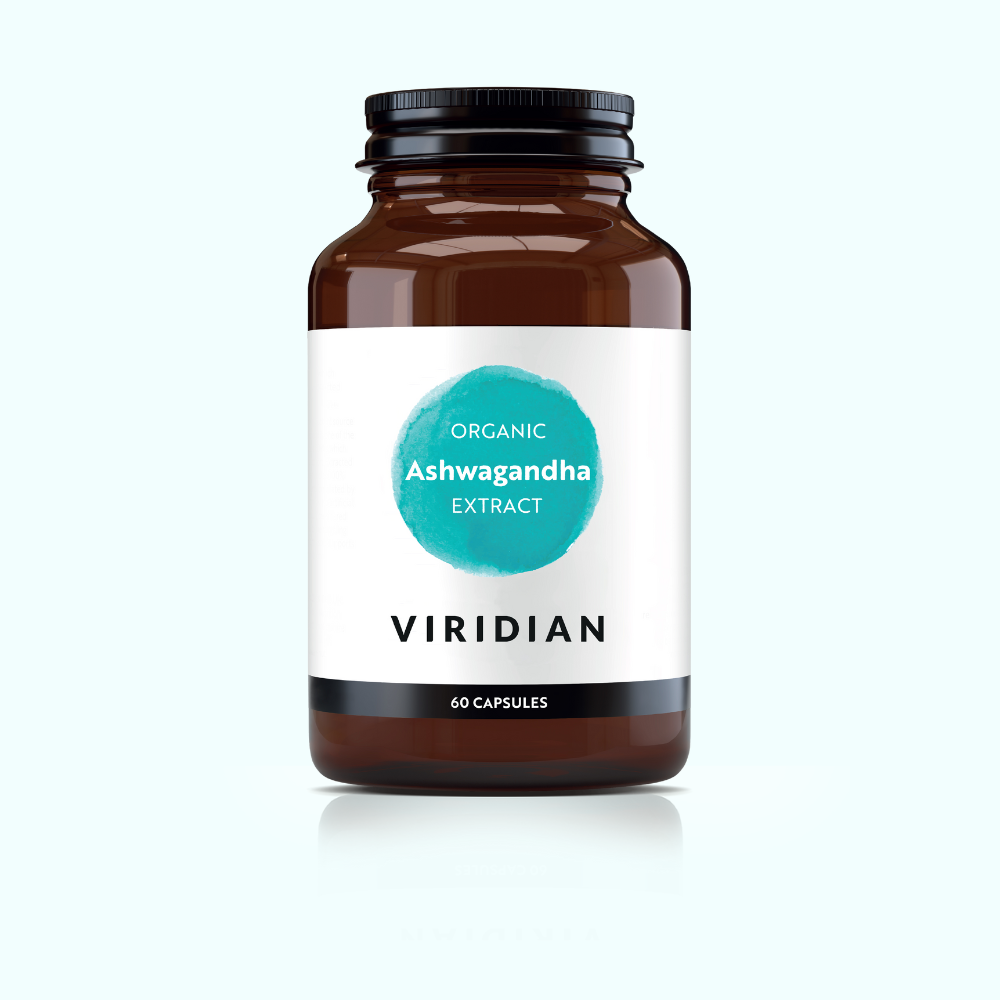
Organic Ashwagandha Extract 60caps
✔️ Stress and anxiety reduction
✔️ Enhancing sleep quality
✔️ Improving energy and reducing fatigue
Click here to get your bottle now
Signs of an Unhealthy Caffeine Source
Caffeine and anxiety often go hand in hand when your source isn’t serving your body well. Watch out for these red flags:
- Heavily processed or artificial: Found in energy drinks, sugary sodas, caffeine pills, or flavored bottled beverages.
- Excessive caffeine per serving: Some energy shots or supplements contain 300–500 mg of caffeine in one go, putting your heart and mental health at risk.
- Loaded with sugar: Products with high sugar content lead to blood sugar spikes, inflammation, weight gain, and crashing energy levels.
- Mixed with risky stimulants: Beware of products containing synephrine, yohimbine, or other synthetic additives, often marketed for weight loss or pre-workout energy.
- Triggers symptoms: If it makes you anxious, shaky, sleepless, or nauseous, it’s not right for you, no matter how popular the product is.
At Jannis Health, we help you understand the hidden effects of your daily habits. If you're unsure which caffeine source supports your lifestyle, our registered dietitians can guide you toward smarter, calmer choices that align with your health and wellness goals.  Beating High Blood Pressure With Food | Diet for Hypertension
Why You Need a Dietitian on Your Caffeine and Anxiety Journey
When it comes to managing caffeine, anxiety, and overall nutrition, there’s no one-size-fits-all solution. Your caffeine tolerance is influenced by many personal factors, your diet, mental health, sleep patterns, medications, and lifestyle all play a role. That’s why the guidance of a registered dietitian-nutritionist is more than helpful, it’s essential.
At Jannis Health, our expert dietitians are here to help you:
- Identify your personal caffeine sensitivity and how it may be contributing to anxiety or sleep issues
- Adjust your diet to naturally reduce anxiety and support balanced energy
- Recommend smarter, energizing alternatives to caffeine without the crash
- Help you gradually reduce dependence on stimulants
- Address nutrient deficiencies, such as low magnesium or B-vitamins, that often worsen anxiety
- Design a customized nutrition plan that supports calm focus, sustained energy, and deeper sleep
A dietitian at Jannis Health doesn’t just tell you what to avoid, they empower you with strategies to fuel your body, support your mind, and live with clarity. Whether you're dealing with racing thoughts, afternoon crashes, or restless nights, we’ll guide you toward better habits and better health, starting with your next cup.  Anti-Aging Nutrition for Women 35+ | Wellness Guide
Final Thoughts
Caffeine can be a blessing or a burden, it all depends on how you use it. If you’re struggling with anxiety, stress, or sleep issues, your morning brew might deserve a second look.
Start by reading labels, being mindful of your intake, and most importantly, listen to your body.
You can thrive without caffeine. In fact, for people dealing with anxiety, insomnia, or heart palpitations, reducing or eliminating caffeine can bring significant relief. Transitioning away from it might be uncomfortable at first, but your body can adjust naturally with time and a supportive lifestyle.
And if you need help figuring out how to balance it all, you don’t have to do it alone. For a smooth transition, a dietitian can guide you in finding healthy energy-boosting alternatives that align with your body's needs. Our expert dietitians at Jannis Health are here to guide you with practical, personalized support.
Book a consultation today and take one more step toward calm, clarity, and control.

Frequently Asked Questions About Will Caffeine Cause Anxiety
Is caffeine bad for you?
Not inherently. In moderation, caffeine can improve alertness, concentration, and even physical performance. But too much can lead to anxiety, poor sleep, high blood pressure, and dependence.
Does caffeine cause anxiety
Yes, in some people. It can mimic or worsen anxiety symptoms, like rapid heartbeat, sweating, or nervousness. If you have anxiety, it’s worth tracking how your body reacts to caffeine.
Is coffee better than energy drinks?
Yes, in most cases. Coffee is natural and typically contains antioxidants. Energy drinks are often packed with added sugar, synthetic additives, and very high caffeine levels, which can be harmful.
Does caffeine affect sleep?
Absolutely. Caffeine can stay in your system for up to 8 hours, so drinking it late in the day can disrupt your sleep cycle, even if you don’t feel it right away.
Can you build a tolerance to caffeine?
Yes. Over time, your body becomes less responsive, so you may need more to feel the same effect. This can lead to dependence and withdrawal symptoms like headaches and fatigue.
Is caffeine safe for children and teens?
Children and teens are more sensitive to caffeine. The American Academy of Pediatrics discourages caffeine consumption in children due to potential negative effects on development, behavior, and sleep.