
In today’s world of instant solutions and body transformation trends, intermittent fasting has taken center stage. From social media influencers to celebrity health coaches, the promises of rapid fat loss, mental clarity, and even a longer life seem irresistible. But behind the buzz lies a deeper story, a biological rhythm, a metabolic shift, and a tool that can either heal or harm depending on how it’s used.
So, what’s the real deal? Can intermittent fasting cause ulcer or other digestive issues for some people? Is it a game-changer for weight loss or just another fad diet? What does science say about intermittent fasting and heart disease prevention? And most importantly, is intermittent fasting safe and effective for everyone?
At Jannis Health, we believe in real, research-backed guidance, not hype. In this guide, we break down how intermittent fasting works, who it benefits most, and when it may not be the right fit. Whether you're exploring intermittent fasting for fat loss, looking to improve your metabolic health, or simply trying to feel better in your body, this page will walk you through practical strategies, expert insights, and safe approaches tailored to your health journey.
BOOST PRODUCTIVITY WITH JANNIS HEALTH
What Is Intermittent Fasting?

Intermittent fasting isn’t focused on what you eat, but rather when you eat. It’s a structured approach to eating that cycles between periods of fasting and eating, helping your body reset, repair, and rebalance. Unlike traditional diets that restrict calories or specific food groups, intermittent fasting is a flexible, time-based method of nourishing your body.
Several popular intermittent fasting methods include:
- 16:8 – Fast for 16 hours and eat during an 8-hour window each day
- 5:2 – Eat normally five days a week and reduce your calorie intake (around 500–600 kcal) on two non-consecutive days
- Alternate-day fasting – Fast every other day, often consuming minimal calories or none on fasting days
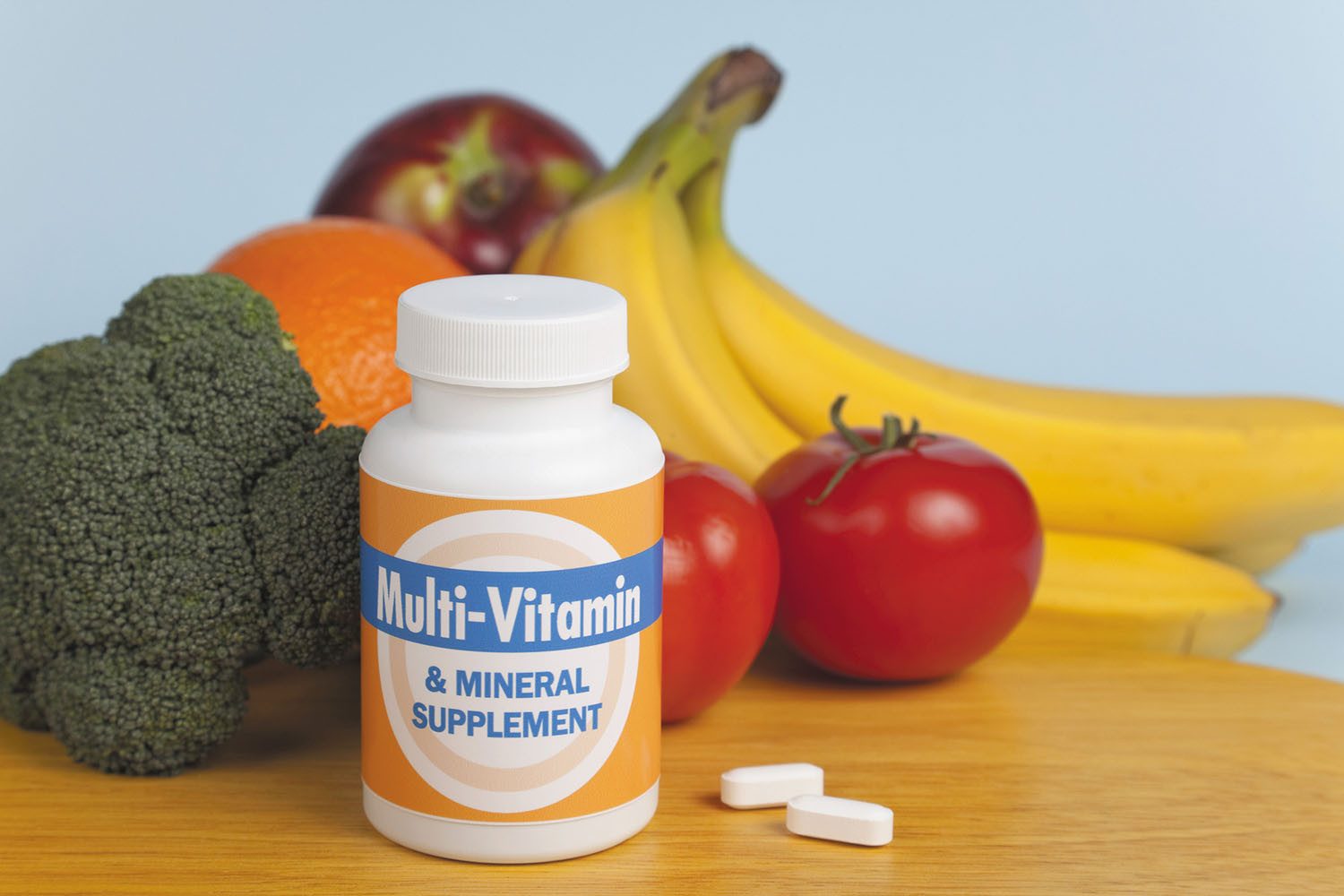 Is It Okay to Take Multivitamins? | Multivitamins and Nutritional Gaps
Other variations include:
- One-meal-a-day fasting (OMAD) – Eating just once a day (examples: 0:0:1, 0:1:0, or 1:0:0)
- Meal-skipping – Skipping one meal daily while eating during the remaining two (like 1:0:1, 1:1:0, or 0:1:1)
Ultimately, intermittent fasting is not a traditional diet, it’s a pattern of eating that allows your body to enter periods of rest and repair, which may support metabolism, fat loss, blood sugar balance, and more. Whether you’re trying to improve focus, manage weight, or support long-term health, this strategy can be customized to suit your unique needs.
 Anti-Aging Nutrition for Women 35+ | Wellness Guide
The Benefits of Intermittent Fasting
When done properly, intermittent fasting can offer a wide range of health benefits that go beyond just meal timing. Whether you're exploring intermittent fasting for fat loss or looking to improve your overall health, here are some science-backed benefits:
#1. Weight Loss and Fat Burning:
Fasting naturally limits your calorie intake and may enhance fat metabolism, making it a popular method for those targeting sustainable weight loss.
 Free Radicals vs. Antioxidants: The Battle Inside Your Body
#2. Improved Insulin Sensitivity:
Intermittent fasting helps regulate blood sugar levels, making it particularly beneficial for individuals at risk of type 2 diabetes.
#3. Reduced Inflammation:
Studies show that intermittent fasting may help reduce chronic inflammation, one of the root causes of many diseases.
 Nourish Your Hormones with Food: A Real Talk for Women
#4. Enhanced Cellular Repair:
During fasting, your body initiates autophagy, a natural process that removes damaged cells and promotes cellular renewal.
#5. Increased Mental Clarity and Focus:
Many people report feeling more alert and mentally sharp during fasting windows. Discover more in our article on mental health and clarity.
 Everything You Should Know About Mental Health and Diet | Nourishing the Mind
But... Is Intermittent Fasting Safe for Everyone?
While the benefits are compelling, intermittent fasting is not suitable for everyone. Certain groups may experience negative side effects or health complications when adopting this eating pattern.
 Meal Planning on a Budget ǀ Healthy Eating Habits Without Breaking the Bank
Intermittent Fasting May Not Be Safe If You Are:
- Pregnant or breastfeeding
- Diabetic and taking blood sugar-lowering medications
- Underweight or have a history of eating disorders
- A teenager or elderly adult with specific nutritional requirements
- Experiencing high levels of chronic stress or fatigue
- Dealing with digestive issues, ulcers, or gastrointestinal disorders
In these cases, intermittent fasting may disrupt hormones, worsen nutrient deficiencies, or even lead to dizziness, fatigue, or disordered eating patterns. If you're wondering, “Can intermittent fasting cause ulcer or health problems?” the answer depends on your individual health status and should be discussed with a healthcare provider.
At Jannis Health, we believe in personalized wellness. That’s why we recommend consulting a registered dietitian or healthcare expert before starting any fasting routine.
The Reality: One Size Doesn’t Fit All
While intermittent fasting may look like a quick fix for weight loss or better health, the truth is that what works for one person might not work for another. The success of any fasting routine depends on several factors:
- Your current health status
- What you eat during your eating window
- Your stress levels, sleep quality, and physical activity
- How your body individually responds to fasting
That’s why, no matter how trendy or promising intermittent fasting for fat loss may seem, it’s crucial to approach it wisely. Consulting a healthcare professional is not just recommended, it’s essential. In particular, Registered Dietitians are the experts you need when it comes to managing food, health, and lifestyle transitions safely and effectively.
 Nutrients You Need Daily More | Why Supplement Them?
Why a Registered Dietitian Makes All the Difference
A Registered Dietitian (RD) brings professional insight and personalized care to your intermittent fasting journey, especially if you're asking questions like, "Is intermittent fasting safe for everyone?" or "Can intermittent fasting cause ulcers or nutrient deficiency?"
Here’s what a Dietitian can do for you:
- Ensure Safety – by assessing your medical history, current medications, and potential risks
- Promote Sustainability – by helping you meet your nutritional needs, even while fast
- Offer Personalization – with guidance tailored to your goals, body type, culture, and schedule
- Keep It Realistic – by incorporating local foods and preventing harmful eating patterns
At Jannis Health, our mission is to help you build a healthier lifestyle, not chase unsustainable trends. Whether you’re considering intermittent fasting for fat loss, managing a health condition, or just seeking clarity, our expert Dietitians provide the support and structure you need to make informed choices and feel your best.
A Cautionary Note on Nutrition During Intermittent Fasting
Fasting is not a free pass to eat anything and everything once your eating window opens. In fact, loading up on greasy, ultra-processed foods can completely undo the benefits of intermittent fasting.
Instead, aim to break your fast with:
- Balanced meals rich in protein, fiber, and healthy fats
- Plenty of water and hydration, especially during fasting hours
- Colorful fruits and vegetables for antioxidant support
- Traditional, nutrient-dense foods like yams, okra, beans, grains, eggs, and leafy greens
These foods support your energy levels, digestion, and overall results while minimizing any side effects like fatigue or bloating.
 Beating High Blood Pressure With Food | Diet for Hypertension
So, Should You Try Intermittent Fasting?
The honest answer: it depends.
Some people thrive on intermittent fasting, experiencing improved focus, better digestion, and sustainable weight loss. Others feel fatigued, irritable, or even nauseous. And yes, intermittent fasting can cause ulcers or worsen digestive issues if not done with the right guidance.
That’s why it’s essential to understand your body and work with a professional. Partnering with a Registered Dietitian can help you avoid common mistakes, meet your nutrition needs, and truly personalize your approach.
Final Thoughts: Listen to Your Body, Not the Hype
Intermittent fasting can be a helpful strategy for weight management, metabolic health, and even disease prevention. But it's not a quick fix, nor is it right for everyone. Like every health trend, success lies in personalization, context, and expert support.
If you’ve been wondering, “Is intermittent fasting right for me?”, or you’re dealing with concerns like ulcers, fatigue, or poor eating habits, don’t go it alone.
At Jannis Health, our expert Dietitians are here to guide you through a safe, evidence-based, and tailored approach to fasting and overall wellness.
Ready to explore if intermittent fasting is right for your body and your goals?
 Book a consultation with our expert Dietitian at Jannis Health, and let’s create a plan that fuels you, not deprives you.
Frequently Asked Questions About Intermittent Fasting
Can intermittent fasting cause ulcers or digestive issues?
Yes, for some individuals, especially those with sensitive stomachs or underlying gastric ulcers, fasting can irritate the digestive lining, leading to discomfort, acidity, or ulcer flare-ups. That’s why fasting should be approached cautiously and personalized with a dietitian’s support.
Does intermittent fasting improve heart health?
Studies suggest that intermittent fasting and heart disease risk may be linked. Fasting may help lower blood pressure, improve cholesterol levels, and reduce inflammation, all factors that support heart health. However, it must be paired with a nutrient-rich diet and healthy lifestyle choices.
How long does it take to see results from intermittent fasting?
Results vary depending on your starting point and consistency. Some people notice improved energy, digestion, or fat loss within 2–4 weeks. For more sustainable health benefits, long-term commitment and a balanced eating plan are key.
Can I exercise while intermittent fasting?
Yes, many people combine fasting with exercise. However, timing matters. Some feel energized during fasted workouts, while others need food beforehand. A dietitian can help you schedule meals and workouts for best results and minimal fatigue.
How can Jannis Health help me start intermittent fasting safely?
At Jannis Health, our expert Registered Dietitians evaluate your health background, lifestyle, and goals to tailor an intermittent fasting plan that’s safe, nourishing, and effective. We prioritize real food, evidence-based methods, and long-term success, not fad diets.