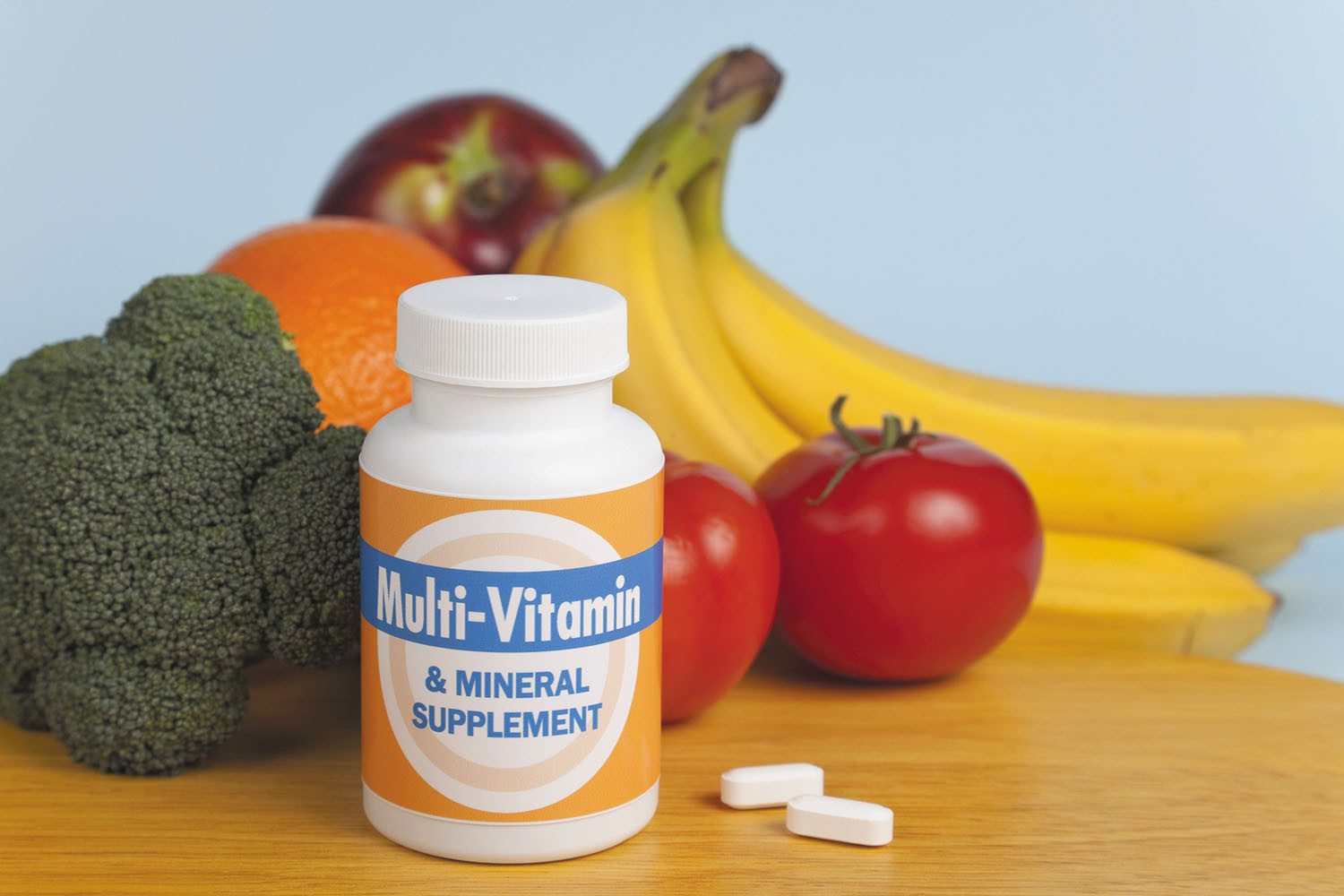
In a world where fast food is more convenient than home-cooked meals and screen time often replaces outdoor activity, it's no surprise that nutritional gaps are silently growing. From chronic fatigue to weakened immunity, many subtle health issues trace back to one thing: your body not getting the nutrients it needs. That’s where multivitamins come in, often seen as the modern-day quick fix. But the real question remains: Is it okay to take multivitamins? And if so, when, how, and what kind?
You’ve probably asked yourself; Do I really need supplements if I’m eating well? What happens if I take too much? Can multivitamins help with my energy levels, skin, or vision? You’re not alone. With so much conflicting information online, it’s easy to feel overwhelmed. The truth is, everybody is different, and so are their nutritional needs. Whether you're a busy professional, a growing teen, or someone managing chronic conditions, understanding your unique nutritional gaps is the first step to making informed choices.
At Jannis Health, we go beyond the label. This page answers your biggest questions about multivitamins, when they help, when they don’t, and how to use them safely and effectively. Backed by our team of expert dietitians, we help you uncover hidden nutritional gaps through science-backed assessments and offer personalized guidance on whether taking multivitamins is right for you. Ready to find clarity in the confusion? Let Jannis Health guide you to smarter nutrition, healthier habits, and whole-body wellness, one capsule (or food choice) at a time.
BOOST PRODUCTIVITY WITH JANNIS HEALTH
What the Research Tells Us
Current research reveals a surprising truth: while many individuals consume enough calories to meet their energy needs, they often fall short on essential micronutrients, including vitamin D, calcium, magnesium, iron, iodine, and folate. These nutritional gaps may not cause immediate symptoms but can quietly lead to fatigue, weakened immunity, brittle bones, and an increased risk of chronic diseases over time.
This is where multivitamin and mineral supplements (MVMs) come in. For many, especially those with limited dietary variety or increased nutritional demands, MVMs can:
- Help prevent or correct micronutrient deficiencies in at-risk groups
- Support overall health and vitality in individuals with poor eating habits
- Contribute to sustained cognitive function and visual health, particularly in older adults
- Offer preventive benefits in specific conditions, such as age-related macular degeneration (AMD)
At Jannis Health, we use the latest evidence to guide you through smart supplementation, helping you bridge nutritional gaps effectively and safely, with expert-backed solutions tailored to your lifestyle.  Meal Planning on a Budget ǀ Healthy Eating Habits Without Breaking the Bank
What Are Nutritional Gaps, and How Do Multivitamins Help?
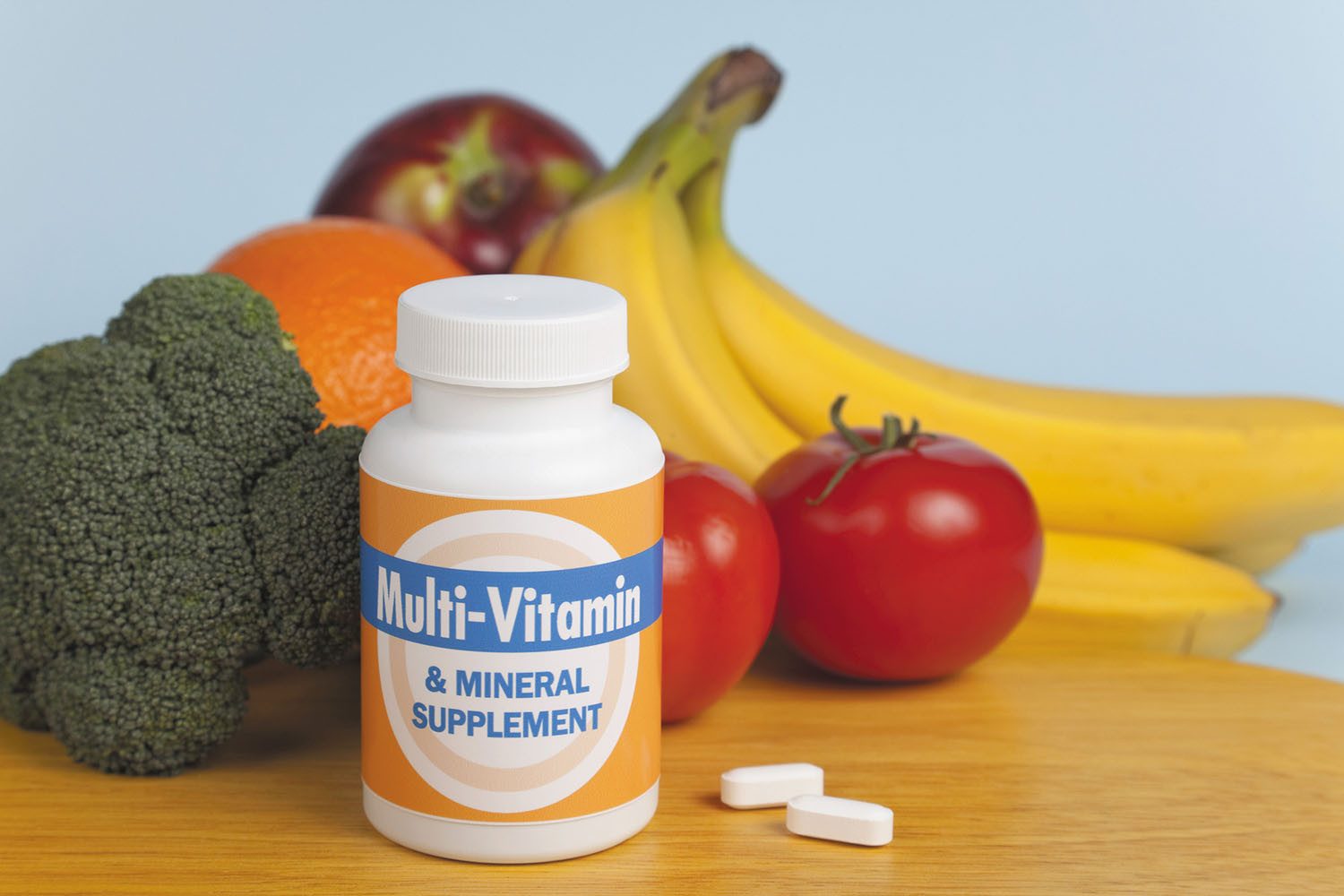
Nutritional gaps refer to the shortfall between the nutrients your body needs and what you're actually getting from your daily diet. These gaps can happen when you consistently fall short on key vitamins or minerals like vitamin D, calcium, iron, or magnesium, whether due to poor eating habits, dietary restrictions, age, or health conditions.
Multivitamins help by providing a convenient, concentrated dose of essential nutrients to support overall health and fill in those dietary gaps. While they don’t replace a healthy diet, they can be especially useful for people with limited food variety, higher nutritional needs, or absorption issues.
At Jannis Health, we believe in using multivitamins intentionally, based on individual assessments, to bridge real nutritional gaps while encouraging a long-term, food-first approach to wellness.
 Digestive Wellness | Why Your Gut Deserves More Attention Than You Think
Who Might Benefit Most from Multivitamins?
At Jannis Health, our dietitians look beyond numbers, we look at people. While a balanced diet is always the foundation of good health, multivitamin and mineral supplements (MVMs) can be a powerful support tool for individuals at risk of nutritional gaps, including:
- Pregnant and breastfeeding women – For increased needs of folate, iron, iodine, and calcium
- Vegetarians and vegans – For nutrients often lacking in plant-based diets, like B12, zinc, iron, and vitamin D
- Older adults – Due to decreased absorption of B12 and vitamin D, and increased calcium needs
- People with restricted or elimination diets – Such as those with food allergies, IBS, or chronic conditions
- Individuals with malabsorption issues – Including celiac disease, Crohn’s, or post-bariatric surgery patients
These are just a few of the groups that may ask, “Is it okay to take multivitamins?” In many cases, the answer is yes, but with caution and care.
 Nutrients You Need Daily More | Why Supplement Them?
But... Multivitamins Aren’t for Everyone
While multivitamins can help fill nutritional gaps, they aren’t a one-size-fits-all solution. In fact, inappropriate use can cause more harm than good. For example:
- Over-supplementation of fat-soluble vitamins (A, D, E, and K) can lead to toxicity
- Multivitamins should complement, not replace, a nutrient-rich diet
- Many commercial brands contain low-quality ingredients or poorly absorbed forms
- Supplements can interfere with medications, such as iron with thyroid drugs
This is why professional guidance from a dietitian is so important.
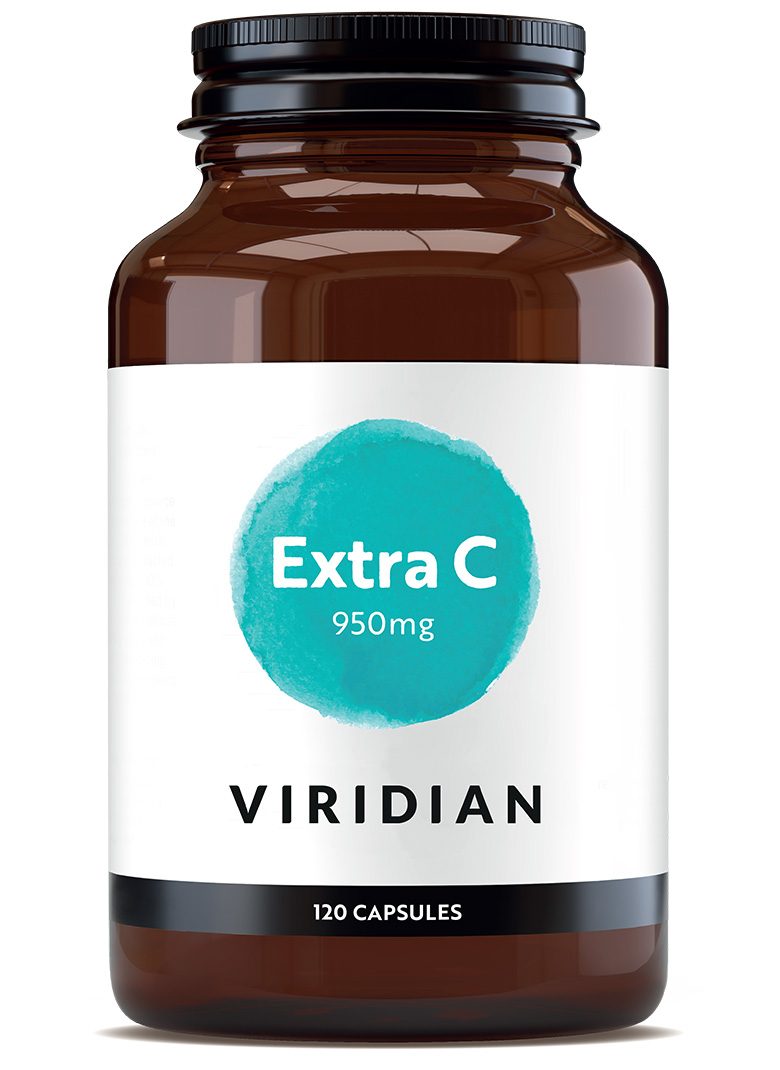
Extra C 950mg 120Veg Caps
✔️ Immune System Function
✔️ Collagen Formation
✔️ Protection Against Oxidative Stress
✔️ Energy and Psychological Function
Click here to get your bottle now
The Dietitian’s Role: Clarify, Customize, Coach
At Jannis Health, we don’t just hand out pills, we provide personalized, science-based strategies to help you close nutritional gaps responsibly. Our dietitians:
- Assess your dietary habits to identify actual nutrient deficiencies
- Recommend safe, high-quality multivitamin brands only when truly needed
- Educate on how supplements can fit into a balanced, food-first approach
- Coach you toward sustainable, nutrient-rich eating habits that reduce long-term dependency on supplements
So, is it okay to take multivitamins? Yes, but only when it’s the right fit for you. And that’s what we’re here to help with.
Book a consultation today with a Jannis Health dietitian and take a smarter step toward nutritional balance and optimal wellness.
Bottom Line
Multivitamins can be beneficial when used wisely and intentionally. However, they’re not a magic fix or a replacement for a nourishing, whole-food diet. The true foundation of lasting health starts on your plate, not in a pill bottle.
If you're asking, "Is it okay to take multivitamins?", the most effective step isn’t reaching for the nearest bottle, it’s seeking expert guidance. A personalized consultation with a registered dietitian at Jannis Health can help you understand your unique needs, identify real nutritional gaps, and create a plan that prioritizes food-first wellness.

Frequently Asked Questions About Is It Okay to Take Multivitamins?
Is it okay to take multivitamins every day?
Yes, for many people, taking a daily multivitamin can help fill nutritional gaps, especially when diets are lacking in variety or essential nutrients. However, it’s important to choose high-quality supplements and seek professional advice to avoid over-supplementation.
Can multivitamins replace healthy eating?
No. Multivitamins should complement, not replace, a balanced, nutrient-rich diet. At Jannis Health, we emphasize a food-first approach, using multivitamins only to bridge true deficiencies when necessary.
What are nutritional gaps, and how do multivitamins help?
Nutritional gaps refer to missing or insufficient levels of essential nutrients in your daily diet, such as vitamin D, iron, or calcium. Multivitamins can help prevent or correct these gaps, especially for individuals with dietary restrictions or absorption issues.
Are there risks to taking multivitamins?
Yes. Taking high doses, especially of fat-soluble vitamins like A, D, E, and K, can lead to toxicity. Multivitamins may also interact with certain medications. That’s why we recommend working with a qualified dietitian to determine what’s safe and effective for you.
How do I know if I have a nutritional gap?
A professional dietary assessment can help. At Jannis Health, our registered dietitians analyze your eating habits, lifestyle, and health status to identify real nutritional gaps and provide personalized supplement advice.
Do all multivitamins work the same?
Not at all. The quality, bioavailability, and formulation of multivitamins can vary widely. Some contain fillers or nutrients in poorly absorbed forms. We guide our clients toward third-party tested brands that are safe, effective, and well-formulated.