
In today’s wellness-driven age, the word fat still sparks fear, but not all fats are your enemy. In fact, some are absolutely essential for optimal health. Healthy oils, especially those rich in omega-3, 6, and 9 fatty acids, do more than just boost your energy levels. They support heart function, brain performance, hormone balance, skin health, and even your mood. When consumed in the right ratios, these fatty acids are powerful building blocks of long-term wellness.
Is olive oil better than sunflower oil? What’s the difference between omega-3, 6, and 9, and how do they affect the body? Are supplements necessary, or can you get enough from food? These are some of the most common (and important) questions people ask when trying to make healthier choices, especially in a market flooded with confusing labels and contradicting advice.
In this article, you’ll discover the top omega-3 foods, how omega 3-6-9 benefits your body, which healthy oils to prioritize, and the importance of balance. Whether you're trying to reduce inflammation, improve cholesterol, or sharpen your focus, we’ve got expert-backed answers. And if you need personalized guidance, our team of qualified Dietitians and Nutritionists at Jannis Health is ready to support you with evidence-based nutrition care tailored to your goals.
BOOST PRODUCTIVITY WITH JANNIS HEALTH
What Are Healthy Oils?
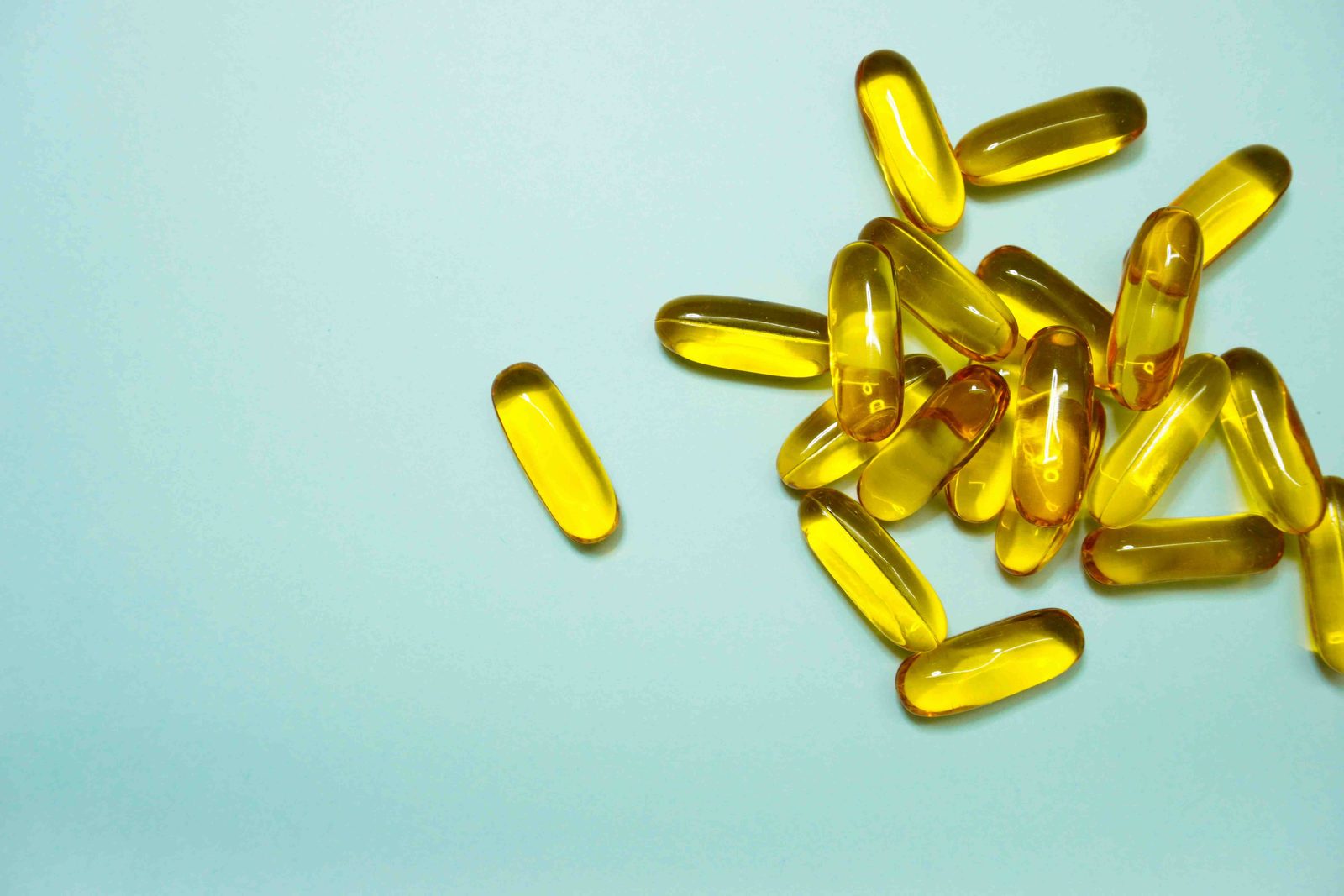
Healthy oils are natural sources of unsaturated fats that provide your body with essential nutrients to function at its best. Unlike harmful trans fats and overly processed saturated fats, healthy oils support heart health, brain function, hormone balance, and help fight inflammation. These oils are crucial in the absorption of fat-soluble vitamins like A, D, E, and K, all of which contribute to long-term wellness.
One of the most valuable components of healthy oils is their content of omega-3, 6, and 9 fatty acids. These are often referred to as the “good fats” and play different but complementary roles in your body. Omega-3, in particular, is known for its heart-protective benefits, brain support, and anti-inflammatory effects. You can find omega-3 in foods like flaxseeds, chia seeds, walnuts, and fatty fish, often labeled as omega 3 foods.
Choosing oils that offer a balanced blend of omega 3-6-9 benefits, such as flaxseed oil, olive oil, avocado oil, and walnut oil, can help reduce your risk of chronic diseases and promote overall vitality. At Jannis Health, we recommend incorporating these healthy oils into your daily meals as part of a well-rounded, science-backed nutrition plan.
 Effect of Malnutrition and Overnutrition | How to Overcome Nutritional Problems
Saturated vs Unsaturated Fats: Know the Difference
When it comes to choosing the right fats for your body, not all are created equal. Understanding the difference between saturated and unsaturated fats is essential for better health, especially when selecting healthy oils rich in omega-3, omega-6, and omega-9.
Saturated Fats (Less Healthy)
- Solid at room temperature
- Commonly found in animal products like butter, cheese, and fatty meats, as well as palm oil and coconut oil
- Excess consumption raises LDL (bad) cholesterol and increases the risk of heart disease
- While not all saturated fats are equally harmful, moderation is key
Trans Fats (Very Harmful)
- A chemically altered form of unsaturated fat used in many processed and packaged foods
- Created to increase shelf life and food stability, but extremely dangerous even in small amounts
- Health effects include:
- Raised LDL (bad) cholesterol
- Lowered HDL (good) cholesterol
- Increased risk of heart disease, stroke, and type 2 diabetes
- Promotes inflammation and may contribute to cognitive decline
 How Nutrition Affects Skin Health | Tips on Nutrition and Skin Health
Unsaturated Fats (Healthy Fats)
- Liquid at room temperature
- Found in nuts, seeds, fatty fish, avocados, and healthy oils like olive and flaxseed oil
Unsaturated Fats Includes:
- Monounsaturated fats (Omega-9) – Supports heart health
- Polyunsaturated fats (Omega-3 and Omega-6) – essential for brain function, hormone balance, and reducing inflammation
Incorporating more omega 3 foods and healthy oils into your diet can provide significant omega 3 6 9 benefits, helping you achieve better overall wellness and long-term heart and brain health.
What Are Omega-3, 6, and 9? Here’s Why They Matter
In the world of healthy oils, few nutrients are as powerful and essential as omega-3, 6, and 9 fatty acids. At Jannis Health, we believe that understanding the role of these fats, and how to balance them, can be a game-changer for your overall well-being. Whether you're looking to boost brainpower, support heart health, or simply make smarter food choices, these healthy fats deserve a top spot in your daily nutrition.
Omega-3 Fatty Acids
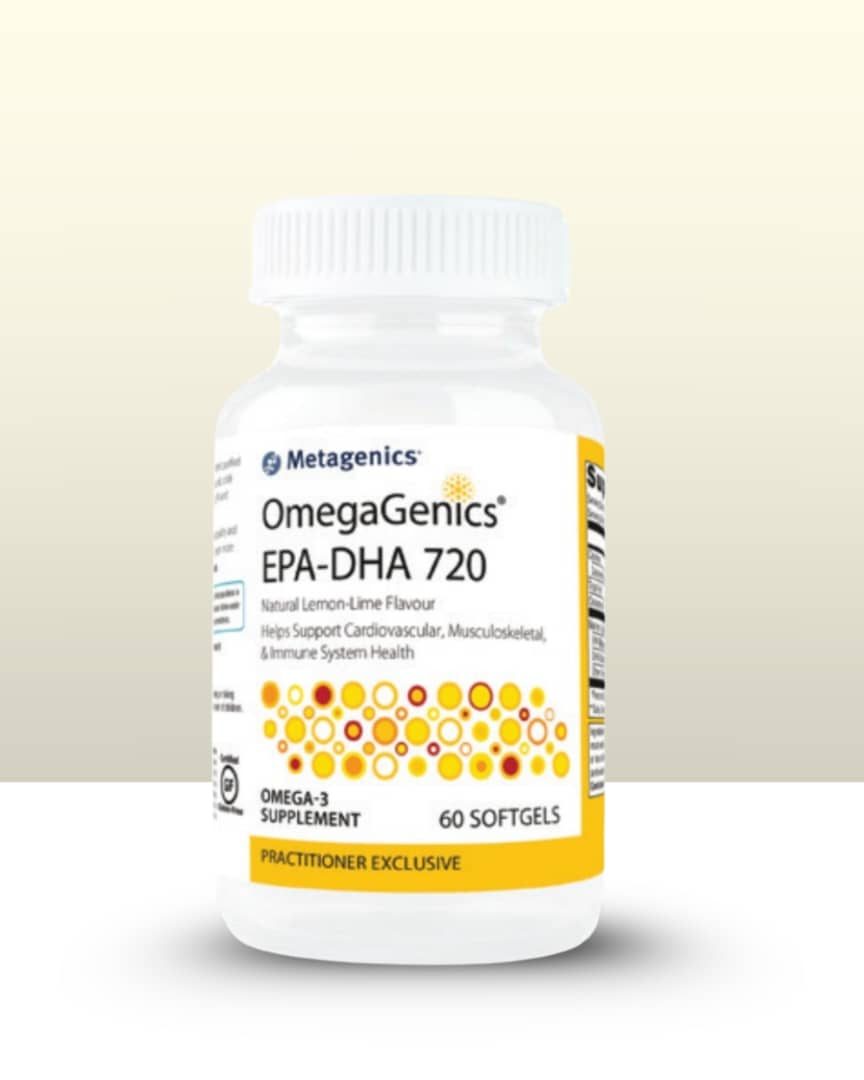
OmegaGenics Fish Oil EPA-DHA 720 mg 60Caps
✔️ Supports heart health (helps lower triglycerides, supports normal blood pressure).
✔️Supports joint comfort and flexibility.
✔️Promotes healthy brain and eye function.
✔️ Easy to swallow; small tablets
Click here to get your bottle now
These are essential polyunsaturated fats, meaning your body cannot produce them on its own. You must get them through your diet. Key types include:
- ALA (Alpha-Linolenic Acid) – Found in flaxseeds, chia seeds, walnuts
- EPA & DHA – Found in oily fish like salmon, mackerel, sardines, and algal oil (a great vegan source)
Benefits of Omega-3:
- Reduces inflammation
- Supports brain and cognitive function
- Lowers risk of heart disease
- Improves mental health and mood (including anxiety and depression)
- Essential during pregnancy for fetal brain development
- Supports healthy vision
At Jannis Health, we champion natural, high-quality omega 3 foods and supplements that help restore balance and vitality in your daily routine.
Omega-6 Fatty Acids
Also essential, omega-6 fats are primarily found in:
- Vegetable oils (sunflower, corn, soybean)
- Nuts and seeds (like pumpkin seeds and walnuts)
Benefits of Omega-6 (in moderation):
- Promotes healthy skin and hair
- Aids in bone and metabolic health
- Supports hormone regulation and brain function
- Helps the body respond to inflammation and injury
 Irritable Bowel Syndrome Treatment | IBS and Nutrition
Caution: While omega-6 is essential, most modern diets are overloaded with it, especially from processed oils. Without balancing it with enough omega-3, excess omega-6 can contribute to chronic inflammation and disease. That’s why Jannis Health promotes targeted solutions to help you achieve the right omega balance naturally.
Omega-9 Fatty Acids
These are non-essential fats (your body can make them), but they still offer strong health benefits when consumed. You’ll find omega-9s in:
- Olive oil
- Avocados
- Almonds, cashews, hazelnuts, peanuts
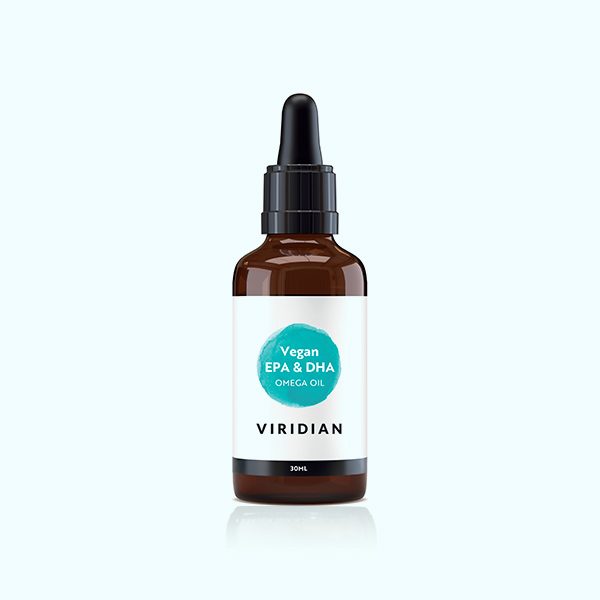
Vegan EPA & DHA Oil – 30ml
✔️ Heart Health
✔️ Brain and Eye Development
✔️ Anti-inflammatory Effects
✔️ Easy to swallow; small tablets
Click here to get your bottle now
Benefits of Omega-9:
- Supports heart health by increasing HDL (good) cholesterol and lowering LDL (bad) cholesterol
- Improves insulin sensitivity
- Reduces inflammation
 Causes of Diabetes | Why You Need A Dietitian
Why Balance Matters: The Omega Ratio
Most people today consume way too much omega-6 and not enough omega-3, with average Western diets showing ratios as high as 20:1 (when a healthy balance is closer to 4:1 or less). This imbalance can:
- Fuel chronic inflammation
- Increase risk of obesity, heart disease, arthritis, and more
How to restore the balance:
- Eat more omega-3 foods rich in EPA and DHA
- Cut down on highly processed, omega-6-heavy oils
- Choose high-quality, cold-pressed healthy oils like flaxseed, chia, hemp, or fish oil
At Jannis Health, we’re dedicated to helping you get the most out of your nutrition with expertly curated omega-rich products, smart eating guides, and wellness tips. Whether you're new to the world of omega 3 6 9 benefits or looking to fine-tune your diet, we’re here to help you thrive from the inside out.
 Should You Take a Supplement for Better Productivity? | Health Tips
Healthy Oils to Choose: Your Guide to Smart Fats
Choosing the right oils is a simple yet powerful way to boost your health every day. At Jannis Health, we promote oils that are minimally processed, cold-pressed, and rich in omega-3 and omega-9, the fats your body loves and thrives on.
To protect your heart, improve brain function, and fight inflammation, opt for unsaturated, plant-based, and nutrient-rich oils. Here’s what we recommend:
Organic Omega 3:6:9 Oil 200ml
✔️ Cardiovascular health
✔️Hormonal balance
✔️ Cognitive and mental health
✔️ Anti-inflammatory effects
Click here to get your bottle now
Best Oils to Use Regularly
These oils are packed with health-boosting properties and should be staples in your kitchen:
- Flaxseed Oil – A powerful source of ALA (omega-3), perfect for smoothies or salad dressings
- Avocado Oil – Heart-healthy, high smoke point, ideal for cooking and grilling
- Extra Virgin Olive Oil – Rich in omega-9, supports heart health and reduces inflammation
- Hempseed Oil – Provides an ideal balance of omega-3 and omega-6
- Fish Oil / Algal Oil – High in EPA and DHA; essential for brain, heart, and joint health
- Walnut Oil – Contains both omega-3 and omega-6 in good proportions
- Canola Oil – Mild flavor, contains omega-3; best when cold-pressed and organic
Jannis Health offers guidance and resources to help you select premium, cold-pressed oils that elevate your wellness journey, naturally and sustainably.
Use These in Moderation
Some oils can be included in your diet occasionally, but should not be overused:
- Coconut Oil – Contains saturated fat; best used sparingly for specific recipes
- Palm Oil – Comes with health and environmental concerns; choose only sustainably sourced if necessary
- Vegetable Oils (Corn, Soybean) – Often too high in omega-6, which can disrupt your omega balance
Oils and Fats to Avoid Completely
Steer clear of these harmful fats, which are known to increase the risk of heart disease, stroke, and chronic inflammation:
- Refined Vegetable Oils – Often stripped of nutrients and overly rich in omega-6
- Hydrogenated Oils / Trans Fats – Extremely harmful even in small amounts
Watch out for Trans Fats in:
- Packaged baked goods (cookies, cakes, pastries)
- Fried fast food
- Margarine and shortening
- Microwave popcorn
- Non-dairy creamers
Always check ingredient labels for "partially hydrogenated oils," a hidden sign of trans fats.
At Jannis Health, we believe that small changes in your oil choices can lead to big wins for your health. That’s why we empower you with the knowledge and tools to pick the right oils that work with your body, not against it. Whether you're cooking, blending, or drizzling, let your fats do more than add flavor, let them fuel your well-being.  Nutrients You Need Daily More | Why Supplement Them?
Why Supplement?
Most modern diets are high in omega-6 and low in omega-3, creating an unhealthy imbalance that can lead to chronic inflammation, heart issues, and poor overall health.
While your body can produce omega-9, supplementing with high-quality oils ensures you're meeting your daily healthy fat needs, especially when dietary sources fall short.
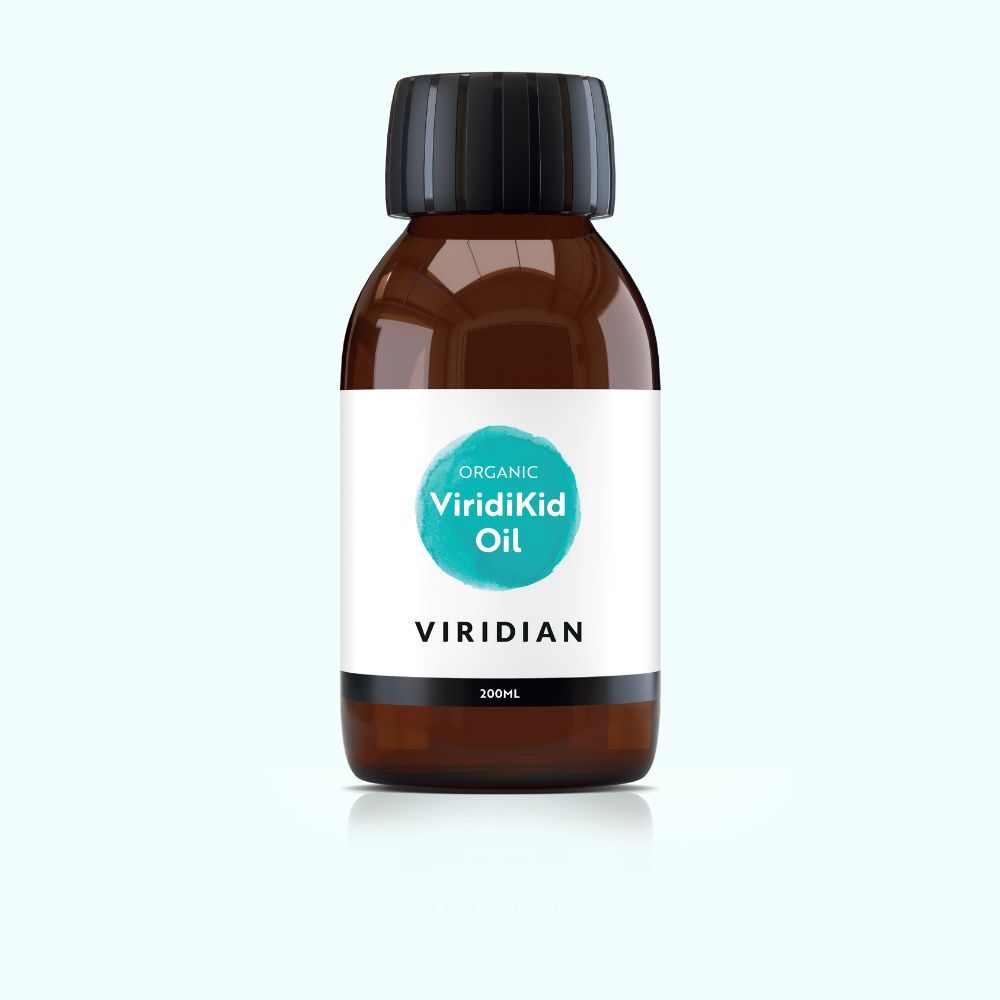
100% Organic Viridikid Nutritional Oil 200ml
✔️ Brain and Cognitive Development
✔️ Vision Health
✔️ Immune System Support
✔️ Skin and Hair Health
Click here to get your bottle now
Top Healthy Oil Supplements from Jannis Health:
Support your wellness goals with trusted, nutrient-rich formulas:
- Vegan EPA & DHA Oil – 30ml: Pure plant-based omega-3s to support brain and heart health.
- 100% Organic Viridikid Nutritional Oil – 200ml: Ideal for growing kids, packed with essential fatty acids.
- Organic Omega 3:6:9 Oil – 200ml: Balanced blend for optimal inflammation control and skin health.
- OmegaGenics Fish Oil (EPA-DHA 720 mg) – 60 Caps: High-potency softgels for advanced cardiovascular support.
- OmegaPure – 60 Softgels: Purified omega-3 to fuel your body and mind daily.
 Book a session today with our registered dietitians at Jannis Health and take the first step towards balanced, healthy living for you and your loved ones.
Final Thoughts: Why You Need Healthy Fats Daily
Fats are not the enemy. In fact, they are vital for every cell in your body. But it's not just about adding healthy oils to your diet, it's about choosing the right types in the right balance.
Healthy fats, especially omega-3s, 6s, and 9s, are not just optional, they’re foundational to your well-being. From fighting inflammation and improving heart health to supporting brain and hormonal function, these fatty acids work together to keep your body thriving.
But remember, it’s not just about getting enough, it’s about getting them in the right ratio. Small changes like switching your cooking oil, adding chia seeds to smoothies, or taking a high-quality omega supplement can make a world of difference.
Incorporate Omega-3-rich foods, cut down on excessive Omega-6 sources, and use healthy oils like olive and avocado oil in your cooking. A balanced fat intake can improve your heart health, brain function, and overall vitality.
 Parkinson's Disease Symptoms and Nutrition Management
Quick Recap:
- Omega-3, 6, and 9 fatty acids are essential for overall health.
- Omega-3 and 6 must come from the diet; 9 can be produced by the body.
- The balance between omega-6 and omega-3 is crucial; aim for a 4:1 ratio or better.
- Choose natural, cold-pressed oils and reduce refined fats for optimal health.
- Omega-3 fights inflammation and boosts brain and heart health
- Omega-6 is essential but overconsumed; balance it!
- Omega-9 helps lower bad cholesterol and is heart-friendly
- Prioritize unsaturated fats over saturated/trans fats
- Choose cold-pressed, unrefined oils for maximum benefits
At Jannis Health, your wellness is our mission.
Our Registered Dietitians are here to help you understand your body’s nutritional needs and design a fat-balanced diet that supports long-term health.
Book an appointment today and take the first step toward optimal health.
Frequently Asked Questions About Healthy Oils
What makes an oil “healthy”?
Healthy oils are rich in unsaturated fats, especially omega-3 and omega-9 fatty acids. These fats help reduce inflammation, support heart and brain health, and promote overall well-being. Look for cold-pressed, unrefined oils to ensure maximum nutrients.
Should I avoid all saturated fats?
Not necessarily. Some saturated fats, like those in coconut oil, can be okay in small amounts. However, excessive intake of saturated or trans fats (like those in processed foods) can raise LDL cholesterol and increase the risk of heart disease. Focus more on unsaturated fats for better health.
Why is omega-3 so important?
Omega-3 fatty acids (like EPA and DHA) are essential for:
- Reducing inflammation
- Supporting brain and mental health
- Lowering heart disease risk
- Aiding pregnancy and child development
Since your body can’t produce omega-3s, you must get them from food or supplements.
Can I get enough healthy fats from food alone?
Yes, but it’s not always easy, especially with today’s processed diets. Many people consume too much omega-6 and too little omega-3. That’s why high-quality supplements from Jannis Health can help you stay balanced and thrive.
Are all vegetable oils bad?
Not all, but many common ones like corn, soybean, and sunflower oil are too high in omega-6 fats. Use them in moderation, and opt for healthier oils like flaxseed, olive, hempseed, or walnut oil when possible.