
Diabetes is a serious metabolic disorder that affects millions of people worldwide. It is incurable, and relying solely on medication is not enough to manage it effectively. Without proper lifestyle and dietary adjustments, diabetes can lead to severe complications such as neuropathy (nerve damage), nephropathy (kidney disease), and retinopathy (eye damage). This explains why many individuals with diabetes eventually face amputation, kidney failure, or vision problems.
But what exactly causes diabetes? Is it only genetic, or can poor dietary habits and lifestyle choices contribute to it? How does food impact blood sugar levels? And most importantly, who is a dietitian, and how can they help prevent or manage diabetes? Understanding these questions is essential for anyone looking to take control of their health and prevent long-term complications.
At Jannis Health, we recognize the critical role of Registered Dietitian-Nutritionists (RDNs) in diabetes care. Alongside endocrinologists, they create personalized nutrition plans that help regulate blood sugar levels, improve overall well-being, and reduce the risk of complications. This page explores the causes of diabetes, the importance of a nutritionist, and why working with an expert can make a difference in your health journey. Take the first step toward a healthier life today!
BOOST PRODUCTIVITY WITH JANNIS HEALTH
Who is a Registered Dietitian-Nutritionist (RDN)?

A Registered Dietitian-Nutritionist (RDN) is a highly trained health professional specializing in nutrition and dietetics. Unlike general nutritionists, who may not always have formal credentials, RDNs undergo rigorous academic training and certification to provide expert guidance on managing non-communicable diseases like diabetes, hypertension, obesity, and even cancer. Their expertise ensures that patients receive evidence-based dietary plans tailored to their specific health needs.
 We recommend you to learn How To Make A Healthy Plate Simple Guidelines for Meal Planning
Education and Licensing
To become an RDN, one must:
- Earn a bachelor’s or master’s degree in nutrition, dietetics, or a related field from an accredited institution.
- Complete 1,000+ hours of supervised clinical training in a healthcare setting.
- Obtain a license number and the Registered Dietitian-Nutritionist (RDN) credential to practice professionally.
These stringent requirements ensure that RDNs are the most qualified experts to guide individuals through effective nutrition therapy for better health and disease management.
At Jannis Health, we have a dedicated team of Registered Dietitian-Nutritionists ready to help you take control of your health and wellness. Whether you need guidance on managing diabetes, preventing chronic diseases, or achieving sustainable weight loss, our experts are just a call away!
Book an appointment today and start your life-changing journey toward better health. Be mindful and stay healthy!
What is Diabetes?
Diabetes is a chronic metabolic disorder that occurs when the body cannot properly regulate blood sugar (glucose) levels. This happens due to either insufficient insulin production or the body’s inability to use insulin effectively. Insulin is a hormone produced by the pancreas that helps glucose enter the body’s cells to be used as energy. Without proper insulin function, blood sugar levels rise, leading to serious health complications such as heart disease, kidney failure, nerve damage, and vision problems.
There are three main types of diabetes:
- Type 1 Diabetes – An autoimmune condition where the immune system attacks insulin-producing cells in the pancreas.
- Type 2 Diabetes – The most common type, caused by insulin resistance, often linked to poor lifestyle habits.
- Gestational Diabetes – Occurs during pregnancy and increases the risk of developing Type 2 Diabetes later in life.
 We recommend you to learn Why Nutrition and Wellness in the Workplace Matter | Health Tips
Causes of Diabetes
Diabetes does not have a single cause; rather, it results from a combination of genetic, lifestyle, and environmental factors. Some of the most common causes include:
- Poor Diet – Consuming excessive sugar, processed foods, and unhealthy fats can lead to insulin resistance.
- Lack of Physical Activity – A sedentary lifestyle contributes to weight gain, which increases the risk of Type 2 Diabetes.
- Obesity – Excess body fat, especially around the abdomen, disrupts insulin function.
- Genetics – A family history of diabetes increases the likelihood of developing the condition.
- Hormonal Imbalances – Conditions like polycystic ovary syndrome (PCOS) can increase the risk of diabetes.
- Chronic Stress – Long-term stress affects hormone levels and can lead to insulin resistance.
At Jannis Health, we understand that managing diabetes goes beyond just taking medications. Our team of Registered Dietitian-Nutritionists (RDNs) specializes in personalized nutrition plans to help prevent and control diabetes through a healthy diet and lifestyle changes.
Book an appointment today and take the first step toward a healthier, diabetes-free life! Be mindful and stay healthy.
 Book an appointment today and take the first step toward a healthier, diabetes-free life! Be mindful and stay healthy.
Where Can You Find a Dietitian and How Can They Help Manage Diabetes?
In many facets of health and illness management, RDNs are crucial. Their areas of specialisation are diverse and include:
Hospitals and Clinical Settings
#1. MNT, or Medical Nutrition Therapy
One of the primary roles of an RDN is providing Medical Nutrition Therapy (MNT), a scientifically proven approach to managing diabetes and other chronic diseases. Here’s how they help:
- Assessing Nutritional Needs – Evaluating individual dietary habits, blood sugar levels, and overall health.
- Developing Personalized Meal Plans – Tailoring nutrition strategies to manage blood sugar levels effectively.
- Monitoring Progress – Making necessary adjustments to prevent diabetes-related complications like neuropathy, kidney disease, and vision problems.
#2. Maternal and Child Nutrition
RDNs ensure proper nutrition during pregnancy, infancy, and childhood. They provide:
- Guidance for Pregnant Women – Ensuring essential nutrients for healthy fetal development.
- Pediatric Nutrition Support – Managing childhood obesity, food allergies, and developmental needs.
Public Health
 Nutrients You Need Daily More | Why Supplement Them?
#1. Management and Disease Prevention
In public health, RDNs focus on preventing and managing chronic conditions like diabetes, hypertension, and heart disease through:
- Personalized Diet Plans – Helping individuals make sustainable lifestyle changes to lower health risks.
- Community Wellness Initiatives – Promoting healthy eating habits in workplaces, schools, and public programs.
#2. Sports Nutrition and Weight Management
For individuals aiming to lose weight, maintain fitness, or enhance athletic performance, an RDN provides expert guidance:
- Healthy Weight Loss Plans – Ensuring safe and sustainable weight loss without extreme dieting.
- Sports Nutrition Support – Helping athletes optimize performance and recovery through proper diet.
#3. Food Service & Workplace Wellness
RDNs also shape corporate wellness programs, helping employees maintain proper nutrition in the workplace. They:
- Healthy Meal Plans – For schools, hospitals, and corporate organizations.
- Advocate for Better Nutrition Policies – Improving food safety and accessibility in public health.
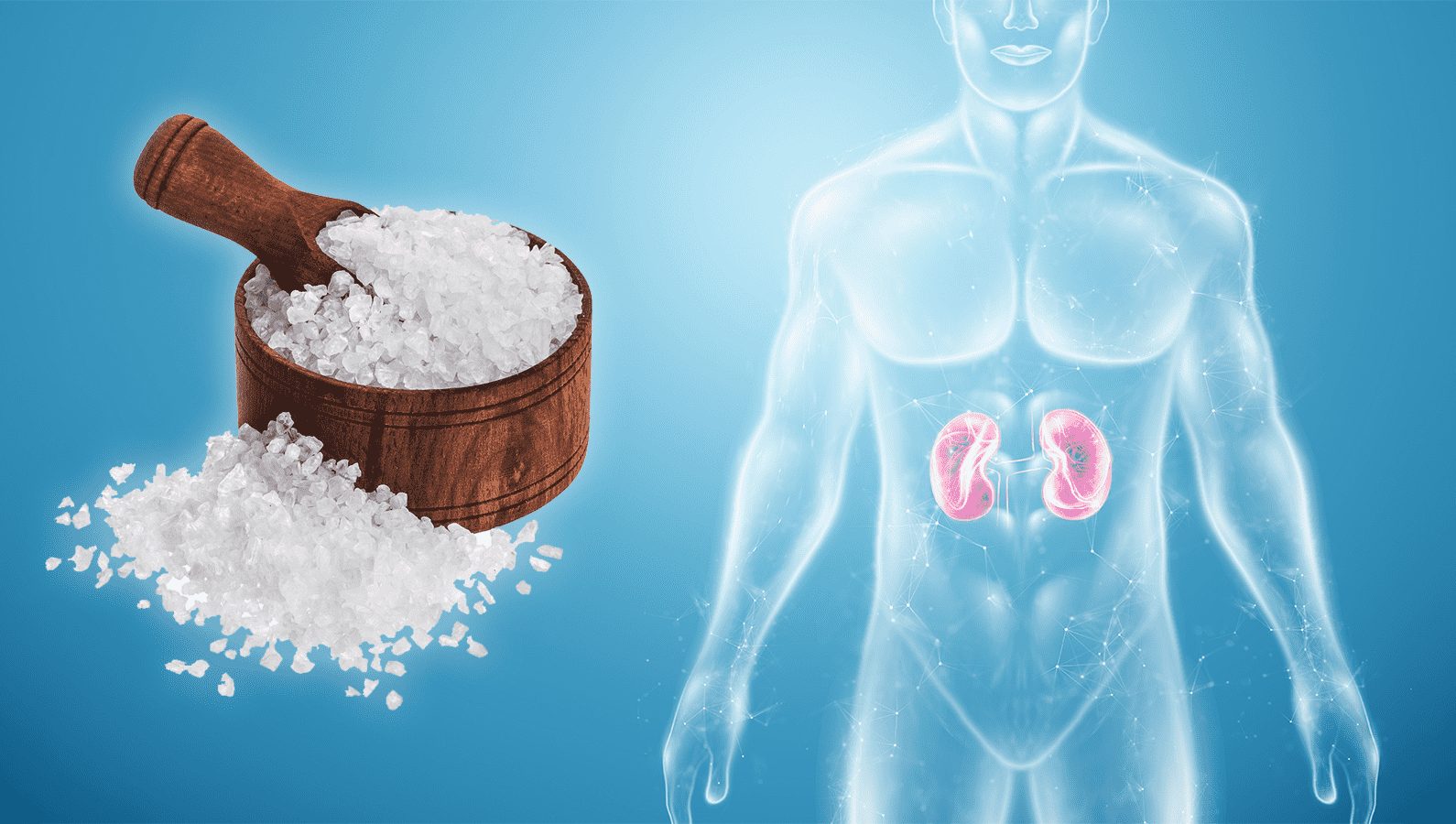 Is Salt Bad for Kidneys? | The Truth About Salt and Kidneys
#4. Mental Health & Behavioral Nutrition Counseling
Nutrition impacts mental well-being. RDNs use behavioral counseling techniques to:
- Promote Healthy Eating Habits – Helping individuals overcome emotional eating and poor dietary choices.
- Enhance Mental Wellness – Supporting individuals struggling with stress-related eating and mood disorders.
Why You Must Consult a Dietitian As Soon As Possible
#1. Cost-Effective & Hybrid Care
RDNs provide affordable, flexible healthcare, offering both in-person and virtual consultations to fit your lifestyle.
#2. Personalized Health Outcomes
They create customized meal plans tailored to your health needs, ensuring better disease management and faster recovery.
#3. A Holistic Approach to Health
Beyond diet, RDNs address weight management, diabetes control, and mental well-being, helping you adopt sustainable healthy habits.
#4. Prevention & Empowerment
Learn how to prevent complications, make smarter food choices, and take control of your health through expert guidance.
 Strength Training Exercises | Understanding Metabolic Balance
Where Do RDNs Work?
Dietitians operate in diverse settings, ensuring accessible care across different sectors:
- Hospitals & Clinics – Providing Medical Nutrition Therapy (MNT) for patients with diabetes and other health conditions.
- Private Practice – Offering one-on-one nutrition counseling, often with hybrid (virtual & in-person) options.
- Corporate Wellness Programs – Helping employees achieve better health and productivity.
- Sports Teams & Fitness Centers – Enhancing athletic performance and recovery.
- Schools & Universities – Implementing nutrition programs & school feeding initiatives.
- Public Health Organizations – Advocating for community-wide dietary improvements and food fortification.
Take Control of Your Health with Jannis Health
A Registered Dietitian-Nutritionist (RDN) is a crucial part of your healthcare team, helping you prevent and manage chronic conditions like diabetes through scientific, evidence-based nutrition strategies. Whether you need personalized meal planning or expert guidance for disease management, now is the time to take action!
At Jannis Health, our expert team of RDNs is ready to guide you. We are just a call away!
Book an appointment today and start your life-changing journey to better health.
Frequently Asked Questions About Why You Need A Dietitian
Who Is a Dietitian?
A dietitian is a certified healthcare professional specializing in nutrition and dietetics, trained to help individuals manage their health through personalized meal plans and evidence-based dietary guidance.
How Can a Dietitian Help with Diabetes?
A dietitian provides Medical Nutrition Therapy (MNT) to help control blood sugar levels, prevent complications, and improve overall diabetes management through tailored dietary plans.
What’s the Difference Between a Dietitian and a Nutritionist?
A Registered Dietitian-Nutritionist (RDN) has formal education, clinical training, and licensing, while a nutritionist may not always have accredited qualifications.
Do I Need a Dietitian if I’m Healthy?
Yes! A dietitian helps you prevent future health issues, optimize nutrition for fitness and performance, and develop sustainable healthy eating habits.
Where Can I Find a Qualified Dietitian?
You can find expert Registered Dietitian-Nutritionists (RDNs) at hospitals, clinics, corporate wellness programs, and private practices like Jannis Health, where we provide professional dietary guidance tailored to your needs.