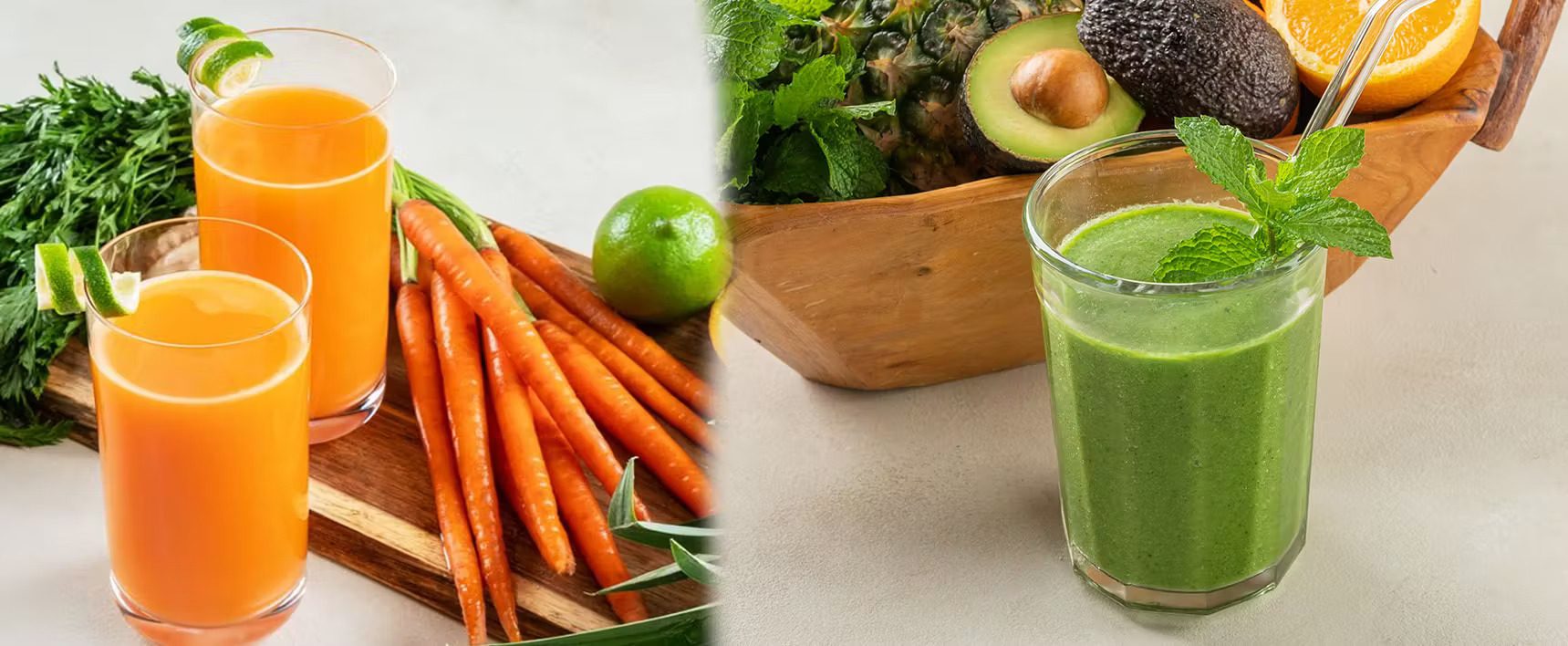
There’s nothing like a tall glass of fresh juice, whether it’s tangy pineapple, cooling cucumber, or a mix of sweet mango and zesty ginger. Juicing feels refreshing, vibrant, and almost like giving your body a quick health boost in a cup. But here’s the truth most people overlook: while juicing gives you vitamins, antioxidants, and a burst of energy, it also takes away most of the fibre your body desperately needs. And that’s where the real conversation begins.
So, does juicing take out fiber completely? Not entirely, but most of it ends up trapped in the pulp you throw away. And that fibre is no small matter. It’s the part of your food that keeps digestion smooth, controls blood sugar spikes, feeds your gut bacteria, and keeps you feeling satisfied for longer. Without enough fibre, you might notice more hunger, less energy stability, and even sluggish digestion, a concern for many Africans already eating on tight schedules or processed-heavy diets.
At Jannis Health, we believe in keeping the goodness our bodies need, not accidentally tossing it away. In this guide, we’ll break down the truth about juicing vs. blending, show you what to do with fiber from juicing instead of wasting it, and share easy, African-inspired ways to balance your juice habit without losing the health benefits of whole foods. Because when you understand the full picture, your glass of juice can truly be as nourishing as it is refreshing.
BOOST PRODUCTIVITY WITH JANNIS HEALTH
What is Juicing?
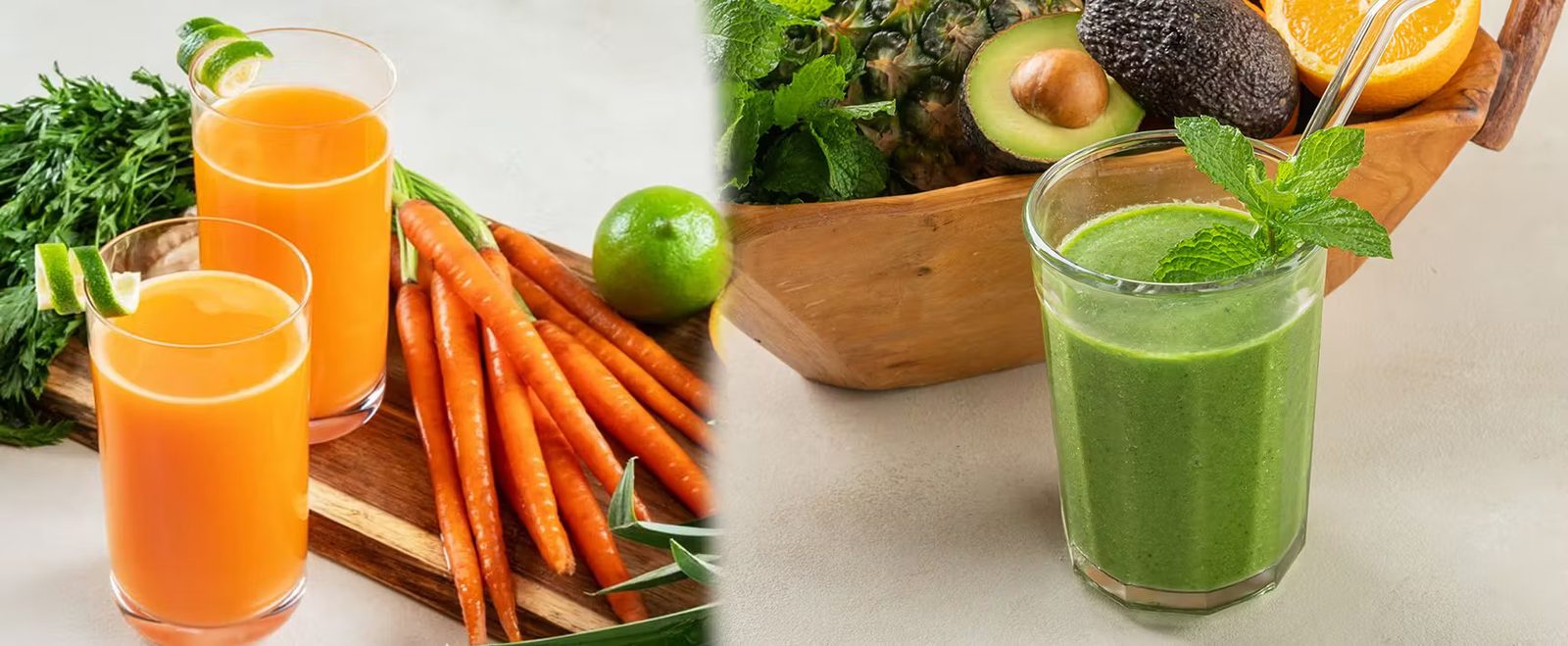
Juicing is the process of extracting liquid from fruits and vegetables, separating it from the pulp (fiber). A juicer squeezes out the juice, leaving behind most of the fiber in the discarded pulp. This creates a smooth, concentrated drink rich in vitamins, minerals, and natural sugars.
Pros:
- High concentration of vitamins and minerals.
- Easy to digest since there’s no fiber to slow absorption.
 Food With Low Calories Is Not Always the Healthiest Choice
Cons:
- Loses most of the fiber.
- Can cause a quick spike in blood sugar levels.
What is Blending?
Blending involves mixing the whole fruit or vegetable, including the fiber, into a thick drink (smoothie). A blender chops and blends everything into a drinkable form without separating the pulp.
Pros:
- Retains all the fiber, which aids digestion and keeps you full longer.
- Slower sugar absorption due to fiber.
Cons:
- May feel heavier to drink.
- Slightly lower concentration of some nutrients compared to juicing because you consume the bulk as well.
 Belly Weight Gain: A Deeper Sign Your Body Might Be Sending
Juicing vs. Blending: The Main Differences
FactorJuicingBlendingFiberMostly removedFully retainedNutrient DensityHigh (per cup)Slightly diluted by fiberSatietyLow – Hunger may return quicklyHigh – keeps you full longerSugar AbsorptionFast – can spike blood sugarSlow – fiber slows absorptionBest ForQuick nutrient boostBalanced, filling snack or meal
If your goal is a quick, concentrated nutrient boost, juicing works best. But if you want to retain fiber, manage blood sugar, and feel full longer, blending is the healthier choice. Ideally, mix both methods into your diet based on your needs.
 Why Vaccines ǀ What Every African Needs to Know
Nutrient Concentration
#1. High Vitamin and Mineral Content in Juicing
Juicing extracts the liquid directly from fruits and vegetables, giving you a concentrated source of vitamins, minerals, and antioxidants. This makes it an excellent choice when you want a quick nutrient boost.
#2. Fiber Loss in Juicing
While juicing keeps most of the nutrients, it removes a large portion of the fiber found in whole produce. Fiber is essential for healthy digestion and stable blood sugar levels.
#3. Balanced Nutrition with Blending
Blending keeps the entire fruit or vegetable intact, including its fiber, which means you get a more balanced drink. This helps slow sugar absorption and keeps you feeling fuller for longer.
 What Food Helps with Arthritis Pain | Understanding Arthritis
#4. Rich in Antioxidants with Juicing
One of the biggest benefits of juicing is the high antioxidant content. Antioxidants help fight free radicals, support cell repair, and promote overall wellness. This makes juicing a great choice for people looking to improve skin health, energy levels, and immunity.
Why Jannis Health Makes the Difference
Whether you prefer juicing or blending, Jannis Health offers premium, nutrient-rich products and supplements that can complement your daily diet. With our quality health solutions, you can make the most of every sip, boosting your energy, supporting immunity, and promoting overall wellness.
 Can Hepatitis Kill? The Silent Liver Disease And Killer in Africa
Conclusion
Juicing can be a great way to flood your body with essential vitamins, minerals, and antioxidants, giving you a quick and delicious nutrient boost. However, it’s important to remember that most juicing methods remove a significant amount of insoluble fiber, the type that supports digestion, regulates blood sugar, and promotes satiety. While juice offers concentrated nutrition, pairing it with fiber-rich whole fruits, vegetables, and grains ensures you get the best of both worlds.
At Jannis Health, we believe in balanced wellness. Our goal is to help you enjoy the goodness of juicing while also guiding you toward healthy, fiber-rich choices for complete nourishment. With the right balance, you can energize your body, support your gut, and enjoy a healthier lifestyle every day.

Frequently Asked Questions About Does Juicing Take Out Fiber?
Why is fiber important in my diet?
Fiber keeps your digestive system healthy, helps control blood sugar, supports weight management, and can lower cholesterol levels.
Is blending better than juicing for fiber?
Yes. Blending keeps all parts of the fruit or vegetable, so you get both soluble and insoluble fiber, unlike most juicers.
Can I add fiber back into my juice?
Yes. You can stir some pulp back into your juice, add chia seeds, flaxseeds, or blend your juice with fiber-rich fruits like pears or apples.
Should I stop juicing because it removes fiber?
Not necessarily. Juicing is still a great way to get vitamins, minerals, and antioxidants quickly. Just make sure to eat other fiber-rich foods during the day for balance.