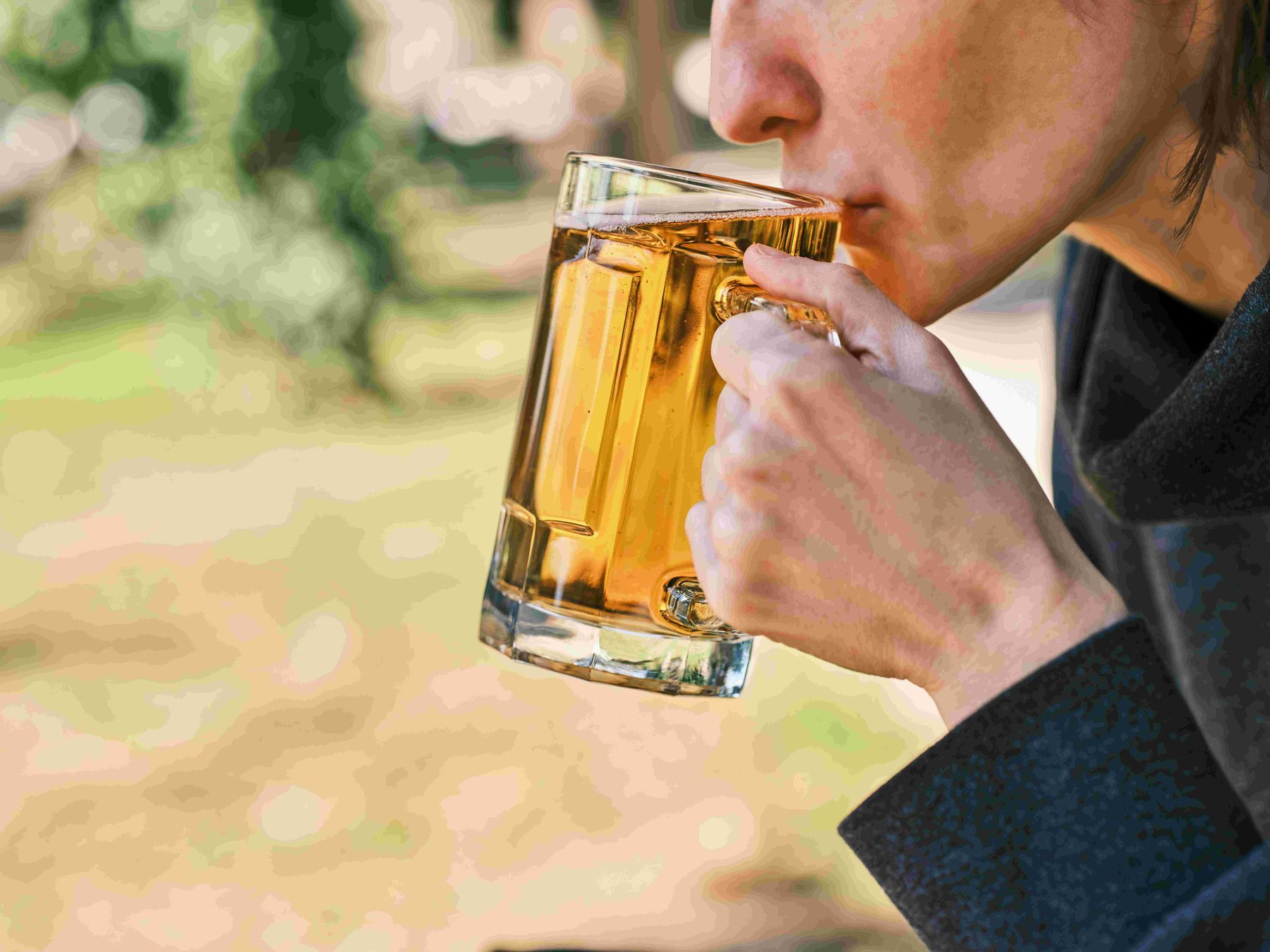
That post-drink bloating, burning, or stomach unrest you’ve been brushing off? It may not be harmless. Whether it’s a casual glass of wine, a weekend beer, or a strong nightcap to unwind, your “relaxing” ritual might be doing more harm than good, especially to your digestive health. While alcohol is widely accepted as a social and stress-relieving staple, it’s also a powerful irritant that can quietly sabotage your gut lining, inflame your stomach, and worsen conditions like ulcers, acid reflux, and indigestion.
But let’s ask the questions too many people ignore: Can alcohol cause ulcer symptoms or make them worse? Does alcohol cause ulcers in the first place, or is that just a myth? Is alcohol good for ulcer patients in any situation, or should it be avoided completely? These are critical questions for anyone dealing with digestive discomfort, yet they’re rarely discussed clearly in day-to-day health advice.
At Jannis Health, we believe in empowering you with truth, not just tradition. In this article, we break down exactly how alcohol affects your digestive system, debunk common myths, and explain what science says about alcohol and ulcers. You’ll also discover expert tips, gut-healing strategies, and when to seek help from a professional dietitian. If you're serious about reclaiming your digestive health, this guide is your first step toward real relief.
BOOST PRODUCTIVITY WITH JANNIS HEALTH
The Alcohol-Ulcer Connection
A stomach ulcer is a painful open sore that forms in the lining of your stomach, and if you're a regular drinker, you're likely making it worse without realizing it. Can alcohol cause ulcer complications or delay healing? Absolutely. Alcohol doesn’t just irritate the stomach lining, it actively disrupts the body’s ability to heal.
Here’s how alcohol worsens ulcers:
- It slows the healing of existing ulcers
- It increases the risk of developing bleeding ulcers
- It amplifies pain, burning, and discomfort
- It interferes with ulcer medications, reducing their effectiveness
Even moderate alcohol consumption can stall your recovery if you already have an ulcer. And for individuals infected with Helicobacter pylori (H. pylori), the bacteria responsible for most ulcers, alcohol can accelerate stomach lining damage, making symptoms more severe.
At Jannis Health, we help you understand the real impact of everyday habits on your gut health. If you're wondering, “Is alcohol good for ulcer patients?”, the evidence says otherwise. The good news? With the right guidance and support, healing is possible.  Anti-Inflammatory Diet ǀ Foods That Help Reduce Chronic Inflammation
How Alcohol Messes With Your Stomach
Alcohol doesn’t just pass through your digestive system unnoticed, it actively disrupts the delicate balance that keeps your gut functioning properly. If you’re wondering "does alcohol cause ulcers?", here’s a breakdown of how alcohol harms your stomach and sets the stage for digestive issues, including ulcers.
#1. It Damages the Protective Lining of the Stomach
Your stomach has a natural mucous layer that shields it from harsh digestive acids. Alcohol weakens or erodes this barrier, leaving the sensitive tissue underneath exposed. This irritation can lead to inflammation and stomach ulcers, especially with repeated alcohol use.
#2. It Increases Stomach Acid Production
Drinking alcohol triggers your stomach to produce more acid than normal. This can worsen conditions like GERD (acid reflux) and gastritis, as the excess acid irritates the stomach lining and can slow the healing of existing ulcers.
 Keto vs. Low-Carb ǀ What’s the Difference and Which Is Healthier?
#3. It Slows Digestion
Alcohol relaxes the muscles in your digestive tract, slowing down the movement of food. This delayed digestion can lead to nausea, bloating, constipation, and gas, all signs that your gut is struggling to keep up.
#4. It Disrupts Healthy Gut Bacteria
Your gut is home to trillions of beneficial bacteria that aid digestion and support your immune system. Alcohol throws this system out of balance by killing off good bacteria, leading to gut dysbiosis, inflammation, and a weakened digestive defense, further increasing the risk of ulcers and poor gut health.
At Jannis Health, we believe in treating the root, not just the symptoms. If you’re struggling with stomach pain or wondering if alcohol is good for ulcer patients, we’re here to guide you with expert advice and gut-friendly strategies that work.  Best Vitamins and Minerals for the Immune System
How Much Is Too Much?
When it comes to alcohol and digestive health, less is definitely more, and for many people, none may be best. There is no proven amount of alcohol that’s beneficial for easing stomach pain or promoting overall digestive wellness. While some individuals report temporary relief from mild discomfort after a drink, the long-term effects of alcohol on the gut tell a different story.
Can Alcohol Cause Ulcer Symptoms or Make Them Worse?
Absolutely. Alcohol irritates the stomach lining, even in small amounts, and can worsen conditions like gastritis and ulcers. It increases acid production, inflames sensitive tissues, and slows down the healing process, especially in people with pre-existing gut issues. If you’ve been wondering, “Can alcohol cause ulcer pain?” the answer is yes, and the damage can compound over time.
 Is Your Coffee Habit Helping or Harming You?
Is Alcohol Good for Ulcer Patients?
No, alcohol is not good for ulcer patients. While a drink may feel soothing after a meal, this is often misleading. The relief is temporary, and alcohol may actually be fueling the very symptoms you're trying to escape. There’s no medically endorsed “safe” amount for people managing ulcers or chronic digestive problems.
What Should You Do Instead?
- Avoid alcohol or consume it only in very limited amounts, especially during ulcer treatment.
- Prioritize hydration with water or clear fluids.
- Eat bland, easy-to-digest foods such as rice, toast, or bananas.
- Seek medical advice if pain persists, an accurate diagnosis and personalized care plan are key.
At Jannis Health, we’re committed to helping you protect and restore your gut health. If you’ve ever asked, “does alcohol cause ulcers?”, you’re already on the right path, because understanding the risks is the first step toward healing.
 How Alcohol Affects Sleep | The Hidden Link Disrupting Your Rest
What is a Standard Drink/Measurement of Alcohol
A "standard drink" is a way to measure alcohol content, but the specific amount of alcohol in a standard drink varies by country. Generally, it refers to a drink containing roughly 10–14 grams of pure alcohol. This standardized measure helps to compare alcohol consumption across different types of beverages and to provide consistent drinking guidelines.
Standard Drink Equivalents
- Beer: 12 ounces (355 ml) of regular beer (around 5% alcohol)
- Wine: 5 ounces (148 ml) of wine (around 12% alcohol)
- Spirits: 1.5 ounces (44 ml) of 80-proof distilled spirits (like whiskey, vodka, gin)
Here's a Breakdown of What Constitutes a Standard Drink in Different Regions
Africa
South Africa
A standard drink is defined as 12 grams of pure alcohol. This is roughly equivalent to:
- 300 ml of 5% beer
- 117 ml of 13% wine
- 37 ml of 40% spirits
Nigeria
- Beer: A 12-ounce can or bottle of beer
- Palm wine: The alcohol content can vary widely, but a standard drink would be a smaller portion than a typical serving, as it can be weaker or stronger than commercial beers
- Local spirits (e.g., Ogogoro): A small shot glass (1.5 ounces) or less, given the potential for higher alcohol content
- Other spirits: 1.5 ounces of 80-proof spirits would be a standard drink
 What You Eat and How It Shapes Your Vision | Eyes Health Food
Europe
General
A standard drink typically contains around 10 grams of pure alcohol
United Kingdom
A standard drink (or "unit") contains 8 grams of alcohol
Other European Countries
Many countries use a standard drink of 10 grams of alcohol
Asia
General
Standard drink definitions vary by country. Some countries in Asia may follow similar guidelines to Europe (around 10 grams)
Specific Examples
Are less common in the provided search results
North America
United States
A standard drink contains 14 grams of pure alcohol. This is roughly equivalent to:
- 12 ounces of 5% beer
- 5 ounces of 12% wine
- 1.5 ounces of 40% spirits
Other Regions
Australia
A standard drink contains 10 grams of alcohol
Middle East
Standard drink definitions are less common or clearly defined in the provided search results. However, consumption patterns show a higher preference for beer
- Arak: Arak is a popular anise-flavored alcoholic drink, but its alcohol content can vary. A standard drink would be a small amount of the diluted arak, as it is often mixed with water and ice
- Beer/Wine: Similar to Western standards, 12 ounces of beer or 5 ounces of wine can be considered standard drinks
- Other spirits: 1.5 ounces of 80-proof spirits would be a standard drink
 Allergies and What to Eat for Allergies | Everything You Need to Know
Antarctica
There are no specific standard drink definitions provided in the search results for Antarctica. However, standard drink definitions would likely align with those of other regions or countries that have a presence there.
Important Considerations About Alcohol Consumption
When it comes to drinking alcohol, especially in the context of digestive health and conditions like ulcers, standard guidelines aren't one-size-fits-all. Here are some important factors to keep in mind:
#1. Variations in Alcohol Content
Even within a single country, alcohol content can vary significantly between brands and types of drinks. Always check the alcohol percentage on the label to determine how many standard drinks you’re consuming.
(See also: Understanding Food and Beverage Labels for more details.)
#2. Individual Factors Matter
The way alcohol affects the body varies depending on:
- Body weight
- Gender
- Age
- Metabolism
- Overall health
This means two people drinking the same amount may have very different reactions. Guidelines are helpful but should be considered as general recommendations, not guarantees of safety.
#3. National Health Recommendations
Most countries offer recommended limits for alcohol intake to reduce the risk of long-term health problems. These are usually given in terms of standard drinks per week and per occasion.
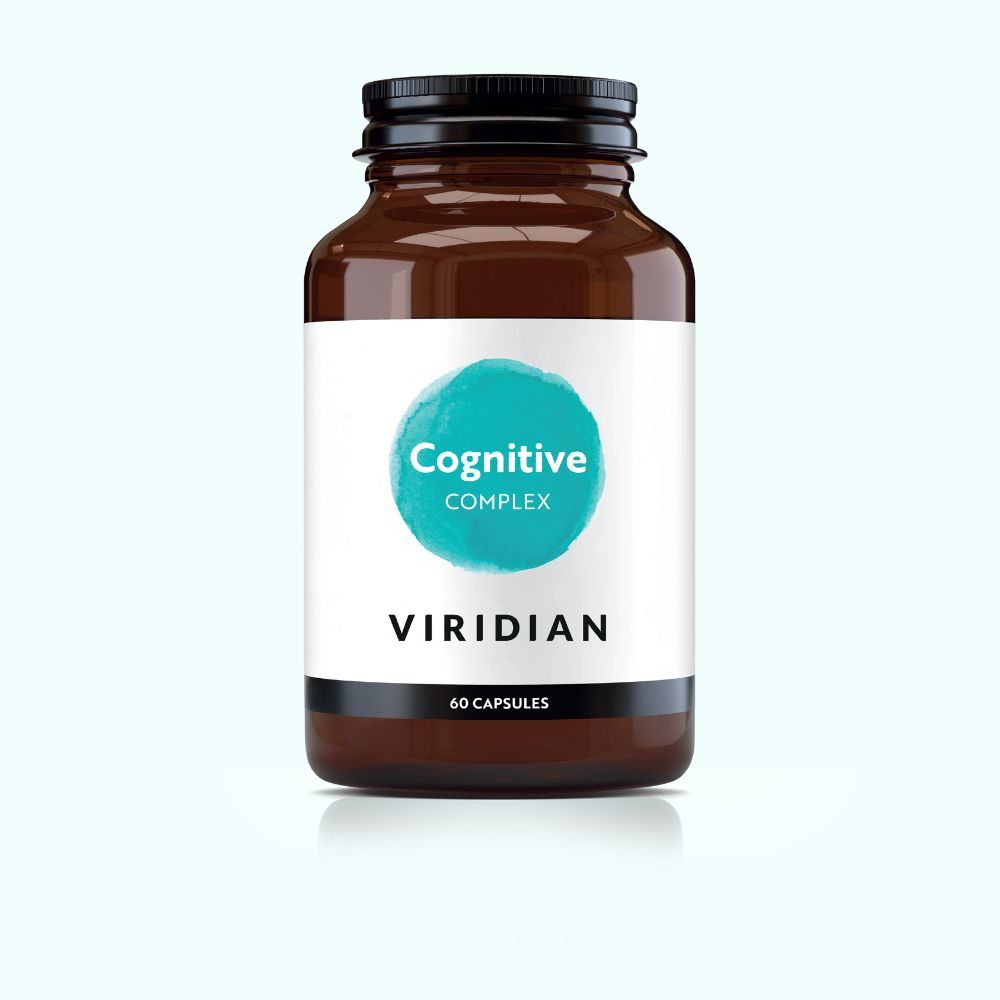
Cognitive Complex – 60 Veg Caps
✔️ Digestive Health
✔️ Prebiotic Support
✔️ Cholesterol Management
✔️ Daily Fiber Supplementation
Click here to get your bottle now
Recommended Daily Allowance for Alcohol
The World Health Organization (WHO) clearly states:
- There is no safe level of alcohol consumption.
- Even small amounts can increase health risks, especially for those with digestive issues like ulcers.
WHO Low-Risk Weekly Guidelines (For those who choose to drink):
- Women: Fewer than 11 standard drinks per week
- Men: Fewer than 17 standard drinks per week
- Spread consumption across the week, not in one sitting
- Include at least 2 alcohol-free days weekly
Additional Guidelines to Reduce Harm:
#1. No Safe Level
Even low levels of alcohol can negatively affect the body, particularly the digestive system and liver.
#2. Binge Drinking Warning
Avoid consuming 6 or more standard drinks in one sitting, as this significantly raises the risk of:
- Ulcer aggravation
- Stomach lining damage
- Liver stress
- Impaired judgment and accidents
 Beating High Blood Pressure With Food | Diet for Hypertension
#3. Individual Risk Factors
Those with certain conditions or risk profiles should be extra cautious:
- Pregnant or breastfeeding women
- People with ulcers or chronic stomach pain
- Those on medication or managing liver issues
#4. Situations Where Alcohol Should Be Avoided Entirely:
- Before or while driving or operating machinery
- When taking medications that interact with alcohol
- During pregnancy or breastfeeding
- If you're recovering from a digestive disorder
At Jannis Health, we believe that knowledge is power. Whether you're managing an ulcer or simply striving for better wellness, understanding your alcohol intake, and its potential risks, can help you make smarter, healthier choices.
Myths About Alcohol and Stomach Health, Debunked
When it comes to alcohol and gut health, misinformation can be dangerous. Let’s clear up some common myths:
 Anti-Aging Nutrition for Women 35+ | Wellness Guide
Myth 1: “Wine helps with digestion.”
Truth: There is no safe amount of alcohol for your digestive system, even in small amounts. While red wine is often praised for health benefits, it can irritate your gut and worsen issues like acid reflux, gastritis, or ulcers.
Myth 2: “Strong alcohol like gin kills stomach bacteria.”
Truth: Alcohol may kill some bacteria, but it doesn’t discriminate. It also destroys good gut bacteria, which are essential for digestion, immunity, and inflammation control. The result? Gut imbalance and a more inflamed digestive tract.
Myth 3: “I only drink socially, so I’m safe.”
Truth: Even occasional binge drinking or moderate regular consumption can damage your stomach lining, especially if you’re prone to ulcers or acid reflux. Social drinking isn't harmless if your gut is already compromised.
Myth 4: “It’s just heartburn, I can handle it.”
Truth: Chronic heartburn is not something to ignore. Left untreated, it can progress to GERD, Barrett’s esophagus, and may even increase esophageal cancer risk. It's more than discomfort, it's a warning sign.
 Is It Okay to Take Multivitamins? | Multivitamins and Nutritional Gaps
Why You Need a Dietitian on Your Healing Journey
If you're dealing with ulcers, reflux, or ongoing stomach discomfort, it’s time to get expert help. A registered dietitian can be a key part of your recovery.
Here’s How a Dietitian Can Support You:
- Help you cut back or eliminate alcohol safely
- Rebuild gut health with soothing, anti-inflammatory foods
- Avoid trigger foods that irritate the stomach or interfere with medications
- Ensure you're meeting nutritional needs despite dietary restrictions
- Track your progress and keep you motivated on your healing journey
- Offer smart, satisfying alternatives to alcohol cravings
At Jannis Health, our team of compassionate Registered Dietitian-Nutritionists (RDNs) offer personalized support designed for your lifestyle and digestive needs. You're not just getting advice, you’re gaining a partner in your healing process.
Final Thoughts: Listen to Your Gut
Alcohol is often seen as part of life’s celebrations or stress relief, but if your gut is in pain, it's time to pause and pay attention.
If you find yourself:
- Reaching for antacids regularly
- Waking up with stomach discomfort
- Feeling bloated or uneasy after a drink
Your body is not weak, it’s wise. These are signs you need to reevaluate your habits.
You don’t need to quit alcohol overnight, but you do need a sustainable plan, one that considers your health, healing, and future. That’s where our expert dietitians come in. They understand the deep link between gut health and alcohol, and they’re here to guide you every step of the way.
Ready to take control of your digestive health?
Talk to one of our dietitians at Jannis Health today. Your gut deserves peace. Let us help you get there, no more burning regrets.

Frequently Asked Questions About Can Alcohol Cause Ulcer
Can I drink alcohol if I have an ulcer?
It’s highly discouraged. Alcohol irritates ulcers and delays healing. If you must, speak with a health professional first.
Which type of alcohol is least harmful for digestion?
There’s no completely “safe” type. However, if permitted by your doctor, diluted, non-carbonated, low-alcohol beverages may be less harsh, but moderation is still key.
Can I take ulcer medication and still drink?
Not safely. Alcohol can interact with medications like proton pump inhibitors or antibiotics used to treat H. pylori.
How long after an ulcer heals can I drink again?
Healing varies. Always consult your doctor or dietitian before reintroducing alcohol, your gut health matters more than that glass.
I don’t feel pain after drinking. Am I okay?
Not necessarily. Some people don’t feel symptoms until the damage is serious. Regular check-ups and symptom tracking are essential.