
Once upon a time, African plates were full of life, fresh fish, leafy greens, groundnuts, fermented grains, and seeds rich in natural healing properties. These meals were not only satisfying but deeply nourishing for the body and brain. Today, many of these foods have vanished from our daily lives, replaced by processed snacks, sugary drinks, and imported meals with little or no nutritional value. As these changes take root, we are also witnessing a quiet but worrying rise in conditions like Autism and ADHD in our children. Could the fading away of our traditional, Omega-3-rich diets be playing a role?
What if the food on your child’s plate today is shaping their ability to focus, learn, and connect tomorrow? Could the sharp decline in Omega-3 intake, once abundant in African meals, be linked to the growing cases of hyperactivity, delayed speech, or social challenges in children? What are the real Omega-3 benefits that our grandmothers’ diets gave us, and why are they so critical now more than ever? These are the questions many African parents and caregivers are starting to ask.
At Jannis Health, we’re here to guide you with answers rooted in science, tradition, and practicality. This page explores the deep connection between Omega-3 benefits, brain development, and neurodivergent conditions like Autism and ADHD. We’ll show you how to bring back these lost nutrients into your home using accessible, African-centered meals, plus introduce you to our carefully curated resources and child-friendly nutritional products. Your child’s healing can begin at home, and it starts with knowledge passed down and powerfully adapted for today.
BOOST PRODUCTIVITY WITH JANNIS HEALTH
Understanding the Link: Autism, ADHD & Omega-3 Benefits
Autism and ADHD are both neurodevelopmental disorders that affect how a child learns, behaves, and interacts with the world. While they are different conditions, they often share overlapping traits such as difficulty paying attention, impulsive behavior, speech delays, sensory sensitivity, and social struggles.
Recent research and growing evidence suggest a powerful link between diet and brain function. One emerging theory is that a lack of Omega-3 fatty acids, especially in many low-income African communities, may be contributing to the rising number of Autism and ADHD cases or worsening the symptoms.
 Omega-3 Deficiency: The Hidden Nutritional Gap in African Homes
What Exactly Are Omega-3s?

Omega-3s are essential fatty acids, meaning our bodies cannot produce them on their own. We must get them through our diet, especially from foods like oily fish (e.g., tilapia, catfish), seeds, leafy vegetables, and some traditional soups that were once staples in African homes. These nutrients are among the most important for the brain, yet they are now sadly missing from many modern diets.
The Powerful Role of Omega-3s in Brain Health
Omega-3s, particularly DHA (Docosahexaenoic acid) and EPA (Eicosapentaenoic acid), offer critical support for:
- Brain development during pregnancy and early childhood
- Memory, focus, and learning in school-aged children
- Emotional balance and mood regulation
- Reducing brain inflammation that may affect behavior and cognitive function
 NeuroNutrition ǀ Combating Autism and ADHD with African-Inspired Nutrition Solutions
Types of Omega-3s and Where They’re Found
Omega-3 fatty acids come in different forms, each with unique functions and food sources. Understanding these types can help African families make informed, affordable dietary choices that support brain health.
Type of Omega-3FunctionCommon Food SourcesALA (Alpha-linolenic acid)A plant-based omega-3 that the body converts into EPA and DHA (though in small amounts).Flaxseeds, moringa seeds, walnutsEPA (Eicosapentaenoic acid)Helps reduce inflammation and supports mood, focus, and behavior.Fatty fish like catfish and sardinesDHA (Docosahexaenoic acid)Crucial for brain development, especially in children, and also supports vision.Breastmilk, eggs, oily fish, seafood
Traditional African Omega-3-Rich Foods by Region

Many African dishes are naturally rich in Omega-3s, yet they’re slowly being forgotten. Below is a table showing how traditional meals across Africa offer powerful Omega-3 benefits:
CountryOmega-3 Rich FoodTraditional DishNigeriaCatfish, egusi (melon seeds), moringa leavesCatfish pepper soup, egusi soupGhanaSmoked sardines (keta schoolboys), kontomire (cocoyam leaves)Jollof rice with sardines, kontomire stewSouth AfricaPilchards, flaxseeds, spinachChakalaka with pilchardsKenyaTilapia, chia seeds, kunde leaves (cowpea leaves)Ugali with tilapia stewEthiopiaNiger seed oil, teff grainInjera with lentils and oil-based saucesCameroonCrayfish, sesame seeds, bitterleafBitterleaf soup with crayfish and sesame paste
These dishes are affordable, nutrient-packed, and part of our rich African heritage. Sadly, they’re being pushed aside by fast food, sugary cereals, and imported products.
 The African Caregivers Toolkit: Gentle Guidance for Raising a Neurodivergent Child
What Went Wrong?
- Urbanization & Convenience: The rush to city life and busy schedules have led to reliance on cheap, ultra-processed foods that lack key nutrients like Omega-3s.
- Western Influence: Imported cereals and baby formula are replacing wholesome traditional foods like millet pap enriched with fish powder or groundnuts.
- Cost Misconception: Many families believe Omega-3 sources must come from expensive fish or meat, not realizing that moringa, local seeds, and leafy greens offer similar Omega-3 benefits.
- Limited Nutrition Education: In many rural communities and healthcare settings, families receive little or no guidance on affordable, nutritious food choices.
At Jannis Health, we’re committed to reviving African food wisdom and empowering families through education. Speak to a registered dietitian or nutritionist today to create a personalized, affordable meal plan using nutrient-dense, local foods tailored to your needs.
The Omega-3 Connection: Autism, ADHD & African Nutrition
Research shows that many children with Autism Spectrum Disorder (ASD) and Attention Deficit Hyperactivity Disorder (ADHD) have:
- Low levels of brain-supporting omega-3 fats like DHA and EPA
- Increased inflammation in the brain
- Poor gut health, which affects how nutrients are absorbed
 Preparing for Pregnancy: What Every Woman Should Know Before Conceiving
These deficiencies may worsen symptoms such as:
- Hyperactivity and poor concentration
- Speech delays and poor sleep
- Emotional outbursts and anxiety
What Omega-3 Can Do
Improving omega-3 intake may:
- Boost learning, memory, and attention
- Support speech and brain development
- Calm anxiety, reduce tantrums, and improve sleep
 Allergies and What to Eat for Allergies | Everything You Need to Know
Affordable, Local Solutions for African Families
You don’t always need expensive imported supplements. Africa is rich in omega-3 alternatives that are natural, affordable, and widely available.
Easy African Omega-3-Rich Meal Ideas for Kids:
- Pap with Ground Fish or Crayfish – A nutritious weaning meal
- Boiled Yam with Sardine & Garden Egg Sauce – Rich in DHA and flavor
- Millet Porridge with Moringa Seed Powder – Great for school kids
- Rice with Egusi and Pumpkin Leaves (Ugu) – Brain-boosting and filling
- Ugali with Tilapia & Cowpea Leaves (Kunde) – Loved in East Africa
Smart Tips for Everyday Families:
- Add crayfish or dry fish powder to your child’s regular meals
- Plant moringa, fluted pumpkin (ugu), or spinach in your compound
- Replace sugar snacks with roasted groundnuts or chia seed crackers
Omega-3 is a powerful tool for your child’s brain development, let’s not lose the wealth of nutrition in our African roots.
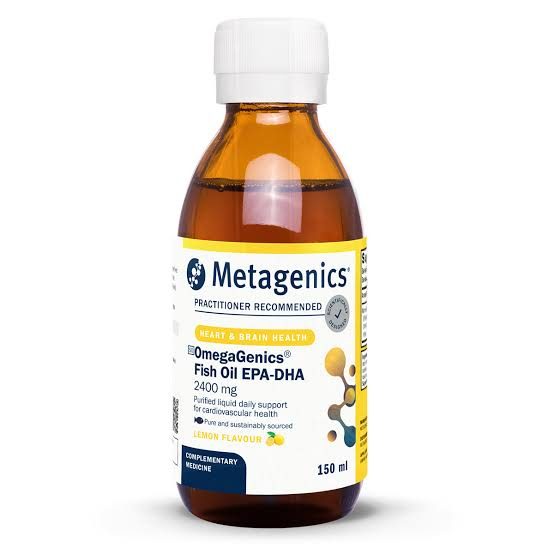
OmegaGenics Fish Oil EPA-DHA 2400 mg (Lemon Flavor)
✔️ Supports heart health (helps lower triglycerides, supports normal blood pressure).
✔️ Supports joint comfort and flexibility.
✔️ Promotes healthy brain and eye function.
✔️ Aids in regulating inflammation throughout the body.
Click here to get your bottle now
The Role of the Dietitian in Autism & ADHD
When it comes to managing Autism and ADHD, dietitians play a vital role. Their work goes beyond meal planning, they help families take control of brain health through food.
What Dietitians Do:
- Identify Nutrient Deficiencies such as omega-3, iron, or zinc
- Create culturally appropriate meal plans using local, affordable foods
- Monitor food sensitivities like gluten or dairy intolerance
- Educate caregivers and teachers on diet-behavior links
- Break myths and reduce stigma around neurodevelopmental disorders
In Africa, more investment is needed in community nutrition programs, especially for neurodiverse children. Jannis Health is leading the way.
At Jannis Health, We Care About Your Health Journey
Through our:
- 1-on-1 Consultations and Therapy Sessions
- Personalized Meal Plans based on African diets
- EAP Workshops for schools and organizations
- Health Seminars across local communities
We empower families with practical tools to manage health challenges, especially for children with special needs.
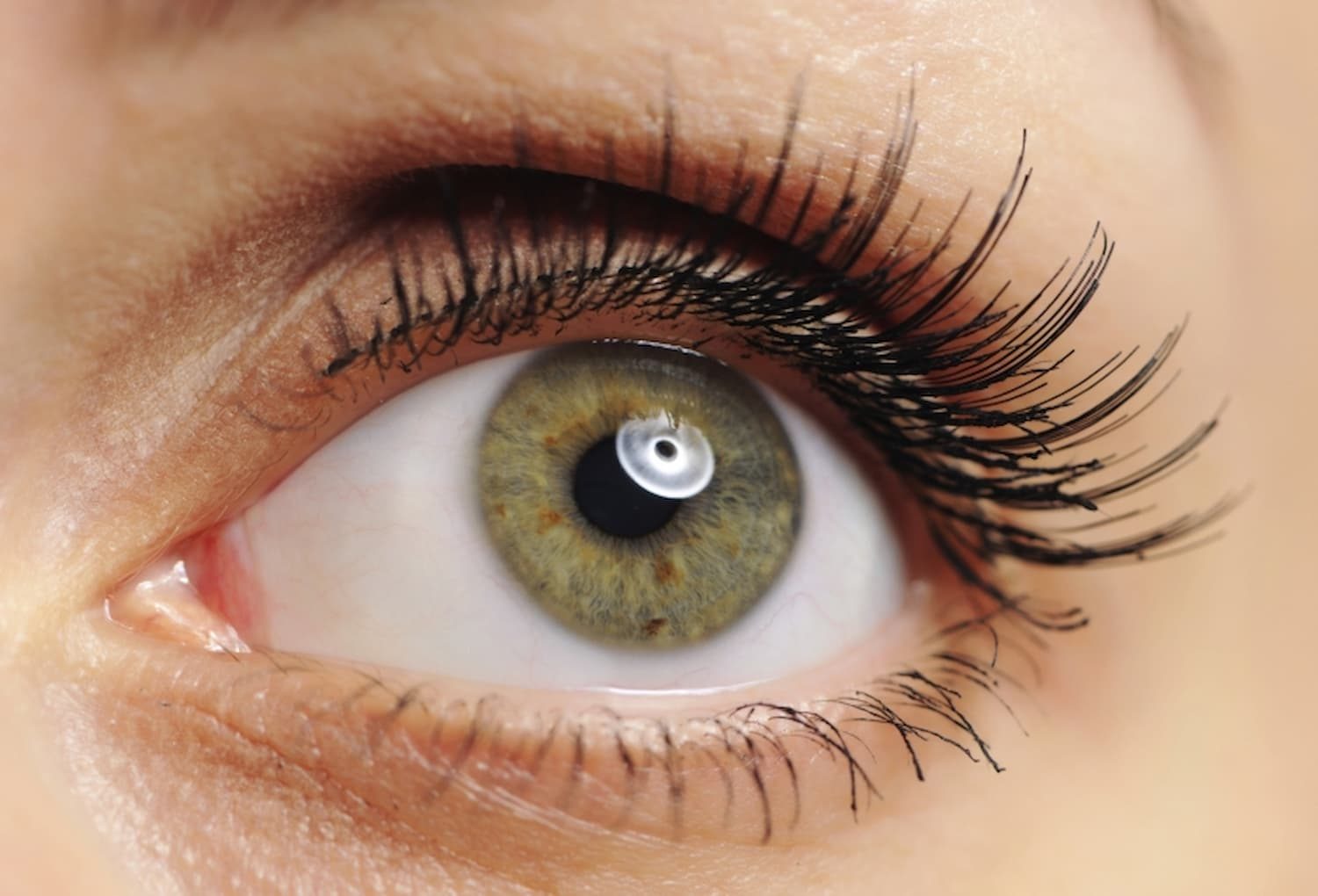 What You Eat and How It Shapes Your Vision | Eyes Health Food
Common Myths About Nutrition and Brain Health – Debunked
Myth #1: “Only rich people can afford omega-3s.”
Truth: Groundnuts, moringa, crayfish, and melon seeds are affordable and rich in brain-friendly fats.
Myth #2: “Fish oil supplements are the only way.”
Truth: African foods like tilapia, egusi, and fermented pap with crayfish offer natural, balanced omega-3s.
Myth #3: “Nutrition doesn’t affect brain disorders.”
Truth: Diet has a direct impact on brain inflammation, neurotransmitter function, sleep, and behavior.
Conclusion
The rise of autism and ADHD in Africa may not be entirely preventable, but how we nourish our children and pregnant mothers plays a powerful role in shaping their brain health. Returning to traditional African meals, understanding the power of omega-3s, and involving nutrition experts in public health strategies can help bridge the neurodevelopment gap in underserved communities.
Let’s return to our roots, for the brain, the body, and the future. Need help navigating dietary needs for your autistic child? Reach out to our expert dietitians at Jannis Health. We’ll work with you to create a healing plan tailored to your child’s body and lifestyle.
Book a consultation today, dear ‘Super Mom’, and you will thank us later!
Frequently Asked Questions About Omega-3 in African Diets
Can diet cure autism or ADHD?
No. But it can significantly manage symptoms and improve quality of life.
Are supplements better than food?
Not necessarily. Whole foods are safer and easier to access for most African families.
Can poor diet during pregnancy cause autism or ADHD?
Poor maternal nutrition increases risk, especially low DHA, folate, and vitamin D levels.
Can moringa or egusi really help the brain?
Yes! Both are rich in plant-based omega-3s and antioxidants that support brain function.