
In many African homes, we are intentional about feeding our families, whether it’s ogbono soup with fish, okra with fufu, or jollof rice with chicken. But even with our rich cultural meals, there’s one vital nutrient quietly missing from many plates: Omega-3 fatty acids. Known for their role in heart health, sharp memory, and better learning, Omega-3s, especially DHA, have gained global attention for their powerful role in brain development and managing conditions like autism and ADHD. But here’s the big question: Are the supposed Omega-3 benefits real, or just another health trend blown out of proportion?
Can Omega-3 truly help a child struggling with focus or speech delays? Can it improve learning, reduce irritability, or support a child on the autism spectrum? And if so, why are so many African children missing out, despite eating “well”? Is there a gap in our food choices, and how can we close it without breaking the bank?
At Jannis Health, we’re committed to breaking down the science in a way that makes sense to African families. This article uncovers the real Omega-3 benefits, why this essential fat is disappearing from our diets, and how our Africa-inspired nutritional solutions, like OmegaGenics DHA, can help restore balance, support brain health, and give your child (and you) the tools to thrive. Ready to find out what your brain may be missing?
BOOST PRODUCTIVITY WITH JANNIS HEALTH
Let's Dive into the Definitions
What Are Omega-3s, and Why Do They Matter in Africa?

Omega-3 fatty acids are essential fats that the body cannot produce on its own, you must get them from your diet. Think of them as “brain food” that supports everything from learning to emotional well-being. The three main types are:
- ALA (Alpha-linolenic acid): Found in plant-based oils like flaxseed, walnuts, and some green vegetables.
- EPA (Eicosapentaenoic acid): Found in oily fish such as sardines, mackerel, and catfish.
- DHA (Docosahexaenoic acid): The star player for brain development, found in oily fish and algae.
In African households, we often eat home-cooked meals, but unless you’re regularly consuming oily fish or fortified foods, chances are you or your children may not be getting enough DHA. And that’s the type of Omega-3 most crucial for brain structure, memory, and focus, especially during pregnancy, breastfeeding, and early childhood.
 Omega-3 Deficiency: The Hidden Nutritional Gap in African Homes
What Is Autism Spectrum Disorder (ASD)?
Autism Spectrum Disorder, or ASD, is not a curse, nor is it caused by witchcraft, despite common myths still held in parts of Africa. It is a neurodevelopmental condition that affects how a person communicates, interacts, and responds to the world around them.
Children or adults with autism may:
- Struggle with eye contact or holding conversations
- Repeat certain behaviors (like hand-flapping or lining up toys)
- Get overwhelmed by loud noises, bright lights, or touch
- Prefer routines and get distressed by sudden changes
It’s called a “spectrum” because it looks different for everyone. Some children may not speak at all, while others speak fluently but struggle with social cues. With the right nutritional support, therapy, and understanding, autistic individuals can live fulfilling and joyful lives.
 Allergies and What to Eat for Allergies | Everything You Need to Know
What Is ADHD (Attention-Deficit/Hyperactivity Disorder)?
ADHD is another neurodevelopmental condition that often goes unnoticed or misunderstood in African schools and homes. Children with ADHD are not “stubborn” or “poorly trained”, their brains simply process things differently.
Common signs include:
- Inattention: Trouble focusing or finishing tasks
- Hyperactivity: Constant movement, restlessness, fidgeting
- Impulsivity: Speaking or acting without thinking
While ADHD is typically noticed in childhood, it can continue into adulthood, affecting school performance, relationships, and even self-esteem. The good news? With proper diagnosis and nutritional strategies like Omega-3 support, symptoms can be managed effectively.
 What You Eat and How It Shapes Your Vision | Eyes Health Food
So… Is Omega-3 Overhyped?
Let’s settle this once and for all. No, Omega-3 is not overhyped when you truly understand its role. Omega-3 fatty acids, especially DHA, are not miracle pills, but they are foundational for brain health. From the womb to adulthood, your brain depends on Omega-3s to develop, function, and stay sharp. For pregnant women, Omega-3 can help reduce the risk of neurodevelopmental disorders. For children and adults, it plays a vital role in focus, learning, and emotional balance.
However, yes, it’s overhyped if you’re expecting it to work like magic. Omega-3 alone won’t turn a hyperactive child into a quiet genius overnight, or “cure” autism. It’s not a replacement for therapy or medical treatment, but it’s a powerful support tool, especially when introduced early and consistently as part of a nutrition-based approach.
Why Should You Consider Omega-3 Supplements?
Not every household in Africa eats oily fish 2–3 times a week, and that’s okay. That’s where smart supplementation comes in.
Omega-3 is especially helpful when:
- A child is a picky eater or allergic to fish.
- A pregnant woman has low seafood or healthy fat intake.
- There are signs of behavioral, learning, or developmental challenges.
 How Alcohol Affects Sleep | The Hidden Link Disrupting Your Rest
Choose the right type:
- Opt for purified, mercury-free fish oil to avoid harmful toxins.
For children: look for flavored liquids or chewables they’ll actually enjoy. - For vegans or vegetarians, algae-based DHA is a great plant-based alternative.
Why Omega-3 Is Essential, From Womb to Adulthood
Omega-3 and the Brain: The Real Benefits
Your brain is made up of nearly 60% fat, and a large part of that is DHA, concentrated in the areas that control learning, memory, and vision. Here’s how Omega-3 benefits you across all life stages:
During Pregnancy & Infancy
- DHA supports fetal brain and eye development.
- Low Omega-3 intake during pregnancy is linked to delayed development, low IQ, and higher risk of autism or ADHD in children.
- Supplementing Omega-3 during pregnancy may improve birth outcomes and long-term brain function in babies.
 Gastroparesis Treatment and Diet | Understanding Gastroparesis
In Childhood
- Omega-3s help with attention span, memory, mood, and behavior.
- Some studies show positive effects in children with ADHD or mild autism, especially in managing symptoms like impulsivity and poor focus.
- Supports emotional regulation in growing children, helping them navigate both the classroom and the playground.
In Adulthood
- Aids mental clarity and supports mood balance.
- It may reduce symptoms of anxiety and depression.
- Plays a role in protecting against age-related cognitive decline, keeping your brain sharp as you age.
At Jannis Health, we understand African nutrition gaps and offer high-quality Omega-3 solutions designed to support brain health for the whole family. Whether you’re preparing for pregnancy, raising neurodiverse children, or looking after your aging parents, Omega-3 isn’t hype. It’s your health, backed by science. 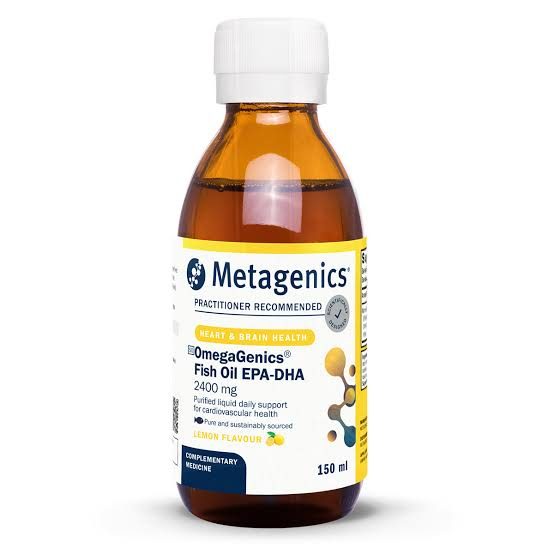
OmegaGenics Fish Oil EPA-DHA 2400 mg (Lemon Flavor)
✔️ Supports heart health (helps lower triglycerides, supports normal blood pressure).
✔️ Supports joint comfort and flexibility.
✔️ Promotes healthy brain and eye function.
✔️ Aids in regulating inflammation throughout the body.
Click here to get your bottle now
Omega-3 Deficiency: Signs and Effects
When your body lacks Omega-3s, it sends warning signs, some subtle, others more serious. Unfortunately, many African households overlook these symptoms until they begin to affect learning, mood, or overall health.
SymptomWhat It MeansDry, flaky skinDHA supports healthy skin cell membranes, its lack weakens the skin barrier.Fatigue & poor concentrationBrain cells become sluggish due to reduced fluidity in communication.Mood swings & irritabilityLow Omega-3 is linked to poor serotonin function and increased inflammation.Learning difficulties in childrenDHA fuels neuron growth and brain connectivity, essential for focus and memory.Poor visionRetina development in children relies heavily on DHA intake.
Important Note: Omega-3 deficiency is especially concerning for pregnant women, infants, and growing children, a stage when the brain is rapidly developing.
Omega-3 and Autism: What the Research Says
There’s growing global and African interest in how Omega-3 benefits children with Autism Spectrum Disorder (ASD) and ADHD.
- Research shows that Omega-3 supplements may improve social interaction, language development, and hyperactivity in some children with autism.
- However, not all children respond the same. Omega-3 is not a magic fix, but a valuable part of a bigger support plan.
- Experts agree: while Omega-3 can complement other therapies, it should never replace behavioral or medical interventions.
Overall, Omega-3 fatty acids can help enhance brain function in neurodiverse children, but they’re not a cure for autism or ADHD.
 Beating High Blood Pressure With Food | Diet for Hypertension
Food First: Best Sources of Omega-3s in African Homes
Want to get your Omega-3s naturally? Here are excellent food options, many of which are accessible locally:
FoodOmega-3 TypeNotesSalmon, mackerel, sardinesEPA + DHA2 servings/week recommended (grilled or steamed)Flaxseeds, chia seedsALAMust convert to DHA (not very efficient)Omega-3 enriched eggsDHAGreat option for kids and pregnant mothersAlgae oilDHABest for vegetarians or those allergic to fishWalnutsALAHealthy, brain-boosting snack
The Role of Nutrition in Managing Autism and ADHD (A Dietitian’s Perspective)
As African parents seek alternative and holistic approaches to managing autism and ADHD, nutrition becomes a vital piece of the puzzle. While diet won’t replace therapy, it can enhance brain health, reduce symptoms, and improve mood and learning.
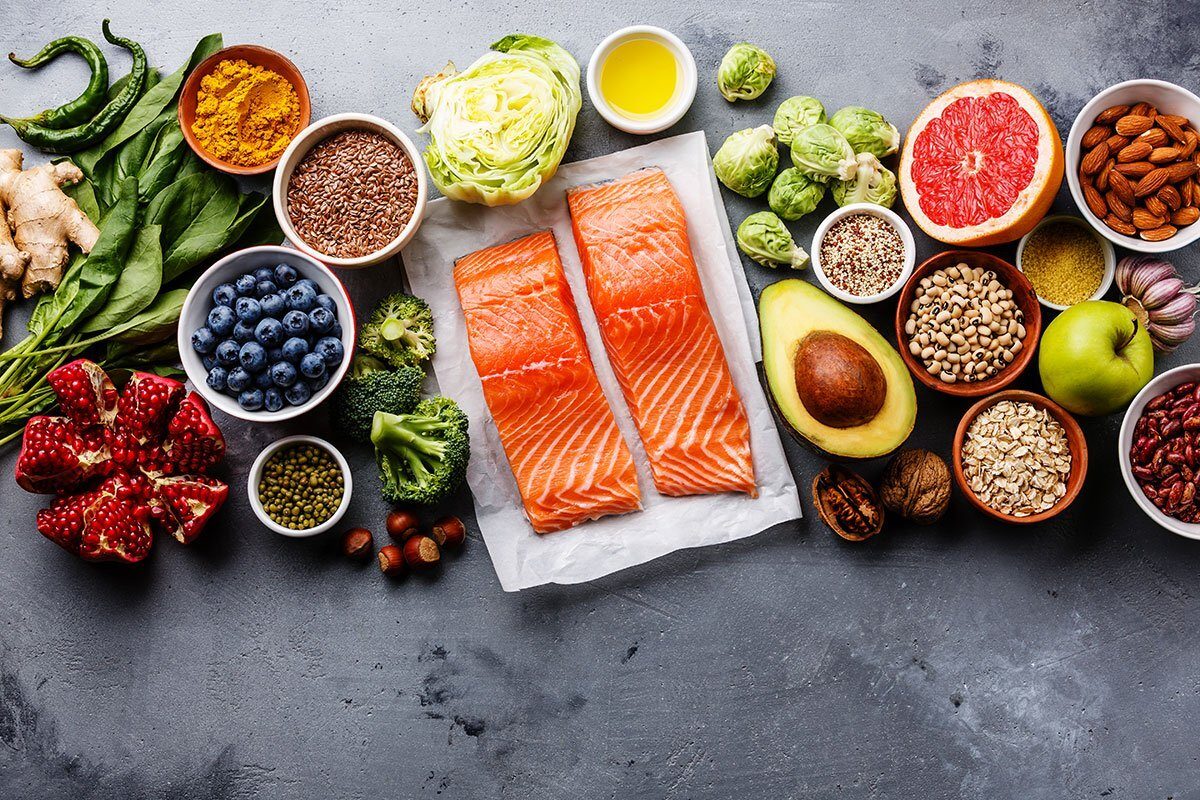 Anti-Inflammatory Diet ǀ Foods That Help Reduce Chronic Inflammation
Key Benefits of Good Nutrition:
- Correct Nutrient Deficiencies: Children with ASD or ADHD are often low in:
Omega-3s, Iron, Zinc, Magnesium, Vitamin D, and B Vitamins, all crucial for brain and nerve function. - Support Gut Health: A healthy gut = a happier brain. Diets rich in fiber and probiotics can reduce irritability and improve focus.
- Manage Food Sensitivities: Elimination diets like gluten-free or dairy-free may improve behavior and GI issues in some children.
- Stabilize Blood Sugar: Balanced meals reduce mood swings and hyperactivity caused by sugar crashes.
- Avoid Harmful Additives: Many African children consume snacks high in artificial colors, sugar, and preservatives. These can worsen ADHD symptoms.
- Encourage Routine & Healthy Mealtime Behavior: Kids on the spectrum may be picky eaters. Structured mealtimes and patience help improve variety and reduce anxiety.
 Keto vs. Low-Carb ǀ What’s the Difference and Which Is Healthier?
Common Myths About Omega-3, Busted
MythTruth“Only supplements work.”Real foods like fish and seeds are excellent sources too.“It’s only for old people.”DHA is critical for babies, growing children, and pregnant women.“It can cure autism or ADHD.”It helps manage symptoms, not a replacement for therapy.“Plant sources are enough.”Most plant-based Omega-3 (ALA) doesn't convert well to DHA, fish or algae-based sources are better. At Jannis Health, we’re here to bridge the nutrition gap in African homes. Our Omega-3 supplements are mercury-free, family-safe, and tailored for every stage, from pregnancy to childhood and beyond. Whether you're trying to improve your child’s focus, support your own mental clarity, or boost a healthy pregnancy, Omega-3 is not hype. It's health
The Role of Parents and Caregivers
As a parent or caregiver in Africa, your role in shaping your child’s brain and behavior goes far beyond schoolwork or discipline. It starts right from the plate.
- Start Early: Introduce omega-3-rich foods like oily fish (e.g., catfish, sardines), omega-3-enriched eggs, and seeds (e.g., egusi, flaxseed) into your child’s diet.
- Use Supplements Wisely: If your child is a picky eater or allergic to fish, omega-3 supplements can help, but always stick to recommended dosages.
- Be Patient, Stay Consistent: Omega-3s work gradually, not overnight. With steady use, they help lay a stronger foundation for cognitive and emotional development.
- Think Holistic: Nutrition is one part of the puzzle. Combine it with play, emotional support, therapies (if needed), and structured daily routines.
 Best Vitamins and Minerals for the Immune System
Final Thoughts: Is Omega-3 Overhyped?
Let’s be honest, omega-3 oil isn’t overhyped, it’s just misunderstood. No, it won’t magically "fix" autism or ADHD. But yes, it offers powerful, science-backed support for the brain, especially when introduced early and used consistently. Omega-3s, especially DHA, are not miracle pills. They're building blocks for healthy brains and behavior, from the womb to adulthood.
Whether you’re supporting your pregnancy, raising a neurodiverse child, or boosting your family’s overall brain health, omega-3s should be part of your wellness toolkit.
Food is not just fuel, it’s information. And omega-3s are some of the most vital "instructions" your brain needs to function, learn, and grow.
Want to learn more or shop trusted Omega-3 options? Visit www.jannishealth.com today.

Frequently Asked Questions (FAQ)
Can I give my child omega-3 every day?
Yes, you can. Just make sure it’s within the recommended dosage, typically 250–500 mg of DHA/EPA for children unless otherwise directed by a health professional.
Is fish oil safe in pregnancy?
Absolutely! DHA is vital during pregnancy for your baby’s brain and eye development. Just ensure you choose purified fish oil or algae-based DHA to avoid harmful mercury levels.
How soon will I see results from omega-3 supplements?
Every child is different. Some improvements (in mood, attention, or sleep) may be noticed within 4–12 weeks, but consistency is key.
Are plant-based omega-3 sources enough for brain development?
Not always. Plant sources provide ALA, which your body must convert into DHA. Unfortunately, this process is not very efficient. For brain development, fatty fish or DHA supplements are more reliable.