Menstruation is a natural, healthy part of life, but for millions of women, it’s still shrouded in silence, shame, and misinformation. From the teenage girl unsure of what’s normal to the grown woman juggling work and heavy flow with little support, period hygiene remains a deeply personal struggle. But here's the truth: your period is not a problem, it’s a powerful sign of good health. And how you care for yourself during menstruation matters more than most people realize.
Are you ever unsure about what menstrual hygiene really means? Do you wonder if you're changing pads often enough, or using the right products for your body? Are you dealing with discomfort, infections, or confusion around what’s considered “normal” during your cycle? You're not alone, and you deserve clear, practical answers. Periods should never feel like a burden you must carry in silence.
This guide from Jannis Health answers your most pressing questions with expert-backed period hygiene tips that are easy, affordable, and tailored for real women. From choosing the right sanitary products to managing odour, cramps, and daily routines, we’re here to help you take back control of your menstrual health, with confidence, dignity, and zero shame. Let's make menstrual hygiene a normal conversation, for every woman, at every age.
BOOST PRODUCTIVITY WITH JANNIS HEALTH
What Is Menstruation?
Menstruation, often called a period, is a natural and essential part of the female reproductive cycle. It involves the monthly shedding of the uterine lining (endometrium) when pregnancy does not occur. This process releases a mixture of blood and tissue through the vagina, typically lasting between 3 to 7 days. More than just a physical event, menstruation signals puberty, hormonal health, and a woman’s natural ability to conceive.
Understanding what is menstrual hygiene starts with knowing how your body works, and respecting the care it deserves during this vital time.
 Should You Take a Supplement for Better Productivity? | Health Tips
Why Menstrual Hygiene Matters
Maintaining proper menstrual hygiene is about more than just staying clean—it's key to protecting your health, boosting self-confidence, and preserving dignity. Without proper care, poor period hygiene can lead to:
- Vaginal infections like UTIs or bacterial vaginosis
- Unpleasant odour and discomfort
- Rashes, chafing, or skin irritation
- Lost productivity from missed school or workdays
- Emotional stress or embarrassment
When girls and women are empowered with the right menstrual hygiene tips, they feel more in control of their bodies, more confident in public, and better able to focus on their goals, without fear or shame.
At Jannis Health, we believe in breaking the silence around menstruation and providing practical, science-backed advice that helps every woman manage her period with ease, comfort, and pride.  Beating High Blood Pressure With Food | Diet for Hypertension
Practical Menstrual Hygiene Tips Every Woman Should Know
No matter your age or lifestyle, taking care of your menstrual health is essential. Whether you're a teenager navigating your first period or a busy woman juggling work and family, these period hygiene tips will help you stay clean, confident, and healthy throughout your cycle.
#1. Change Sanitary Products Regularly
One of the most important menstrual hygiene tips is to change your sanitary products, whether pads, tampons, or menstrual cups, every 4 to 6 hours. This helps prevent bacterial growth, odor, irritation, and leaks.
#2. Clean the Right Way
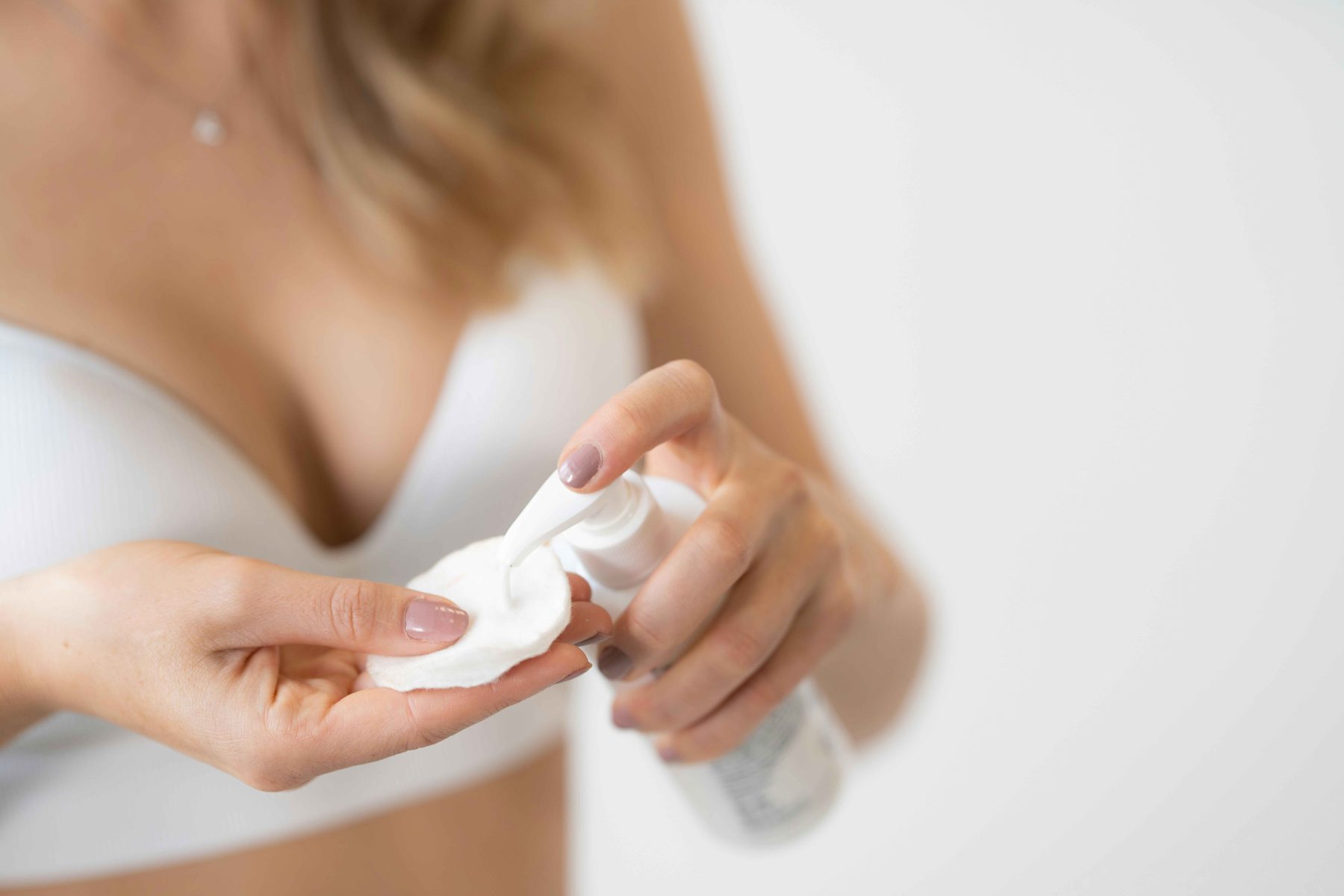
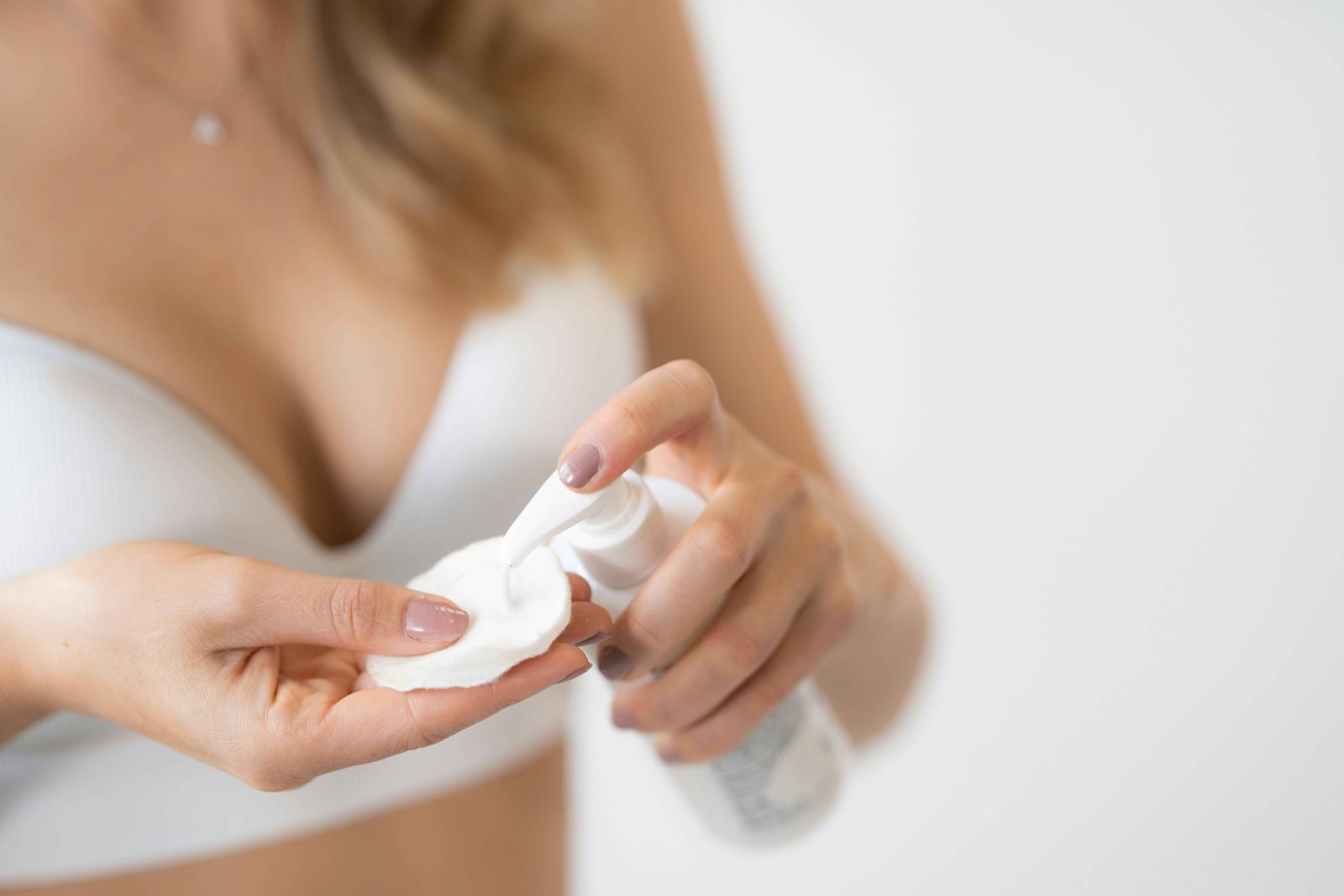
Use clean water and mild, unscented soap to gently wash your vaginal area. Avoid using harsh feminine washes or perfumes, as they can disrupt your natural pH balance. Remember, the vagina is self-cleaning and doesn’t need aggressive products to stay healthy.
#3. Dispose of Products Properly
Used sanitary items should be wrapped in tissue or disposable paper before being thrown into a bin. Never flush pads or tampons down the toilet, they can block plumbing systems and harm the environment.
 Digestive Wellness | Why Your Gut Deserves More Attention Than You Think
#4. Choose Breathable Underwear
Wear clean, breathable cotton underwear during your period to reduce moisture and prevent rashes or infections. Tight or synthetic materials can trap heat and lead to discomfort.
#5. Eat Well and Stay Hydrated
Your body loses important nutrients during menstruation. Stay energized and reduce fatigue by eating iron-rich foods like leafy greens, beans, and lean meats. Don’t forget to drink plenty of water to stay hydrated and help with bloating.
#6. Track Your Cycle
Use a menstrual tracking app or journal to monitor your period. This helps you stay prepared, recognize your body’s patterns, and detect any irregularities early.
Should You Take a Supplement for Better Productivity? | Health Tips
When to See a Healthcare Practitioner
While some discomfort during menstruation is normal, persistent or severe symptoms should never be ignored. You don’t have to suffer in silence. Seeking medical advice is one of the most important menstrual hygiene tips for maintaining your overall health and wellness.
Consult a healthcare provider or gynecologist if you experience:
- Heavy bleeding (e.g., soaking through pads or tampons every 1–2 hours)
- Debilitating cramps that interfere with your daily routine
- Irregular or missed periods (especially if pregnancy is not the cause)
- Foul-smelling discharge, persistent itching, or unusual changes
- Prolonged periods lasting more than 7 days
These symptoms may be signs of underlying conditions such as fibroids, polycystic ovary syndrome (PCOS), endometriosis, or infections. Early diagnosis and treatment can significantly improve your menstrual health and quality of life.
 Meal Planning on a Budget ǀ Healthy Eating Habits Without Breaking the Bank
The Dietitian’s Role in Menstrual Health
Many women are surprised to learn how deeply diet impacts their menstrual cycle. From reducing pain to regulating hormones, nutrition is a powerful tool, and one of the most overlooked period hygiene tips.
A registered dietitian can help you:
Balanced Zinc (15mg) Complex 90caps
✔️ Postoperative healing
✔️ Bone support – osteoporosis
✔️ Hypo-glycaemia (Low sugar level)
✔️ Macular degeneration
Click here to get your bottle now
- Reduce cramping and bloating with anti-inflammatory foods
- Balance hormone levels through targeted nutrient intake
- Combat fatigue and anemia with iron-rich diets
- Support weight management and cycle regulation in PCOS
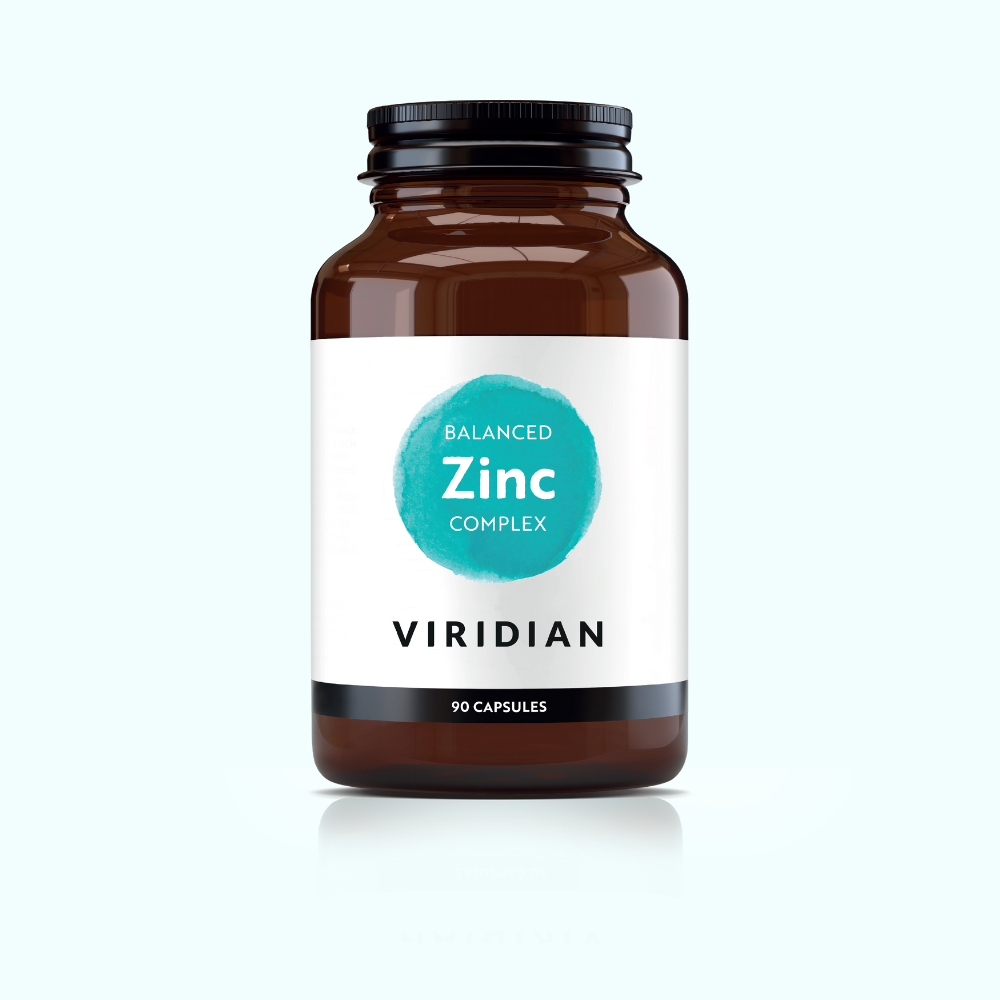
- Recommend period-friendly supplements such as:
- Magnesium Citrate w/ B6
- Balanced Iron Complex
- Vitamin B12 with B-Complex
- Calcium Magnesium with Zinc Powder
At Jannis Health, our in-house dietitian provides personalized nutrition plans tailored to support women throughout their menstrual cycle, from before to after. Whether you need help managing symptoms or understanding what menstrual hygiene is from a holistic perspective, we’re here to help you feel empowered, nourished, and in control, every month.  Nutrients You Need Daily More | Why Supplement Them?
Final Thoughts
No matter where you live, whether in a bustling city or a quiet rural community, safe and dignified menstrual care is your right. Education level doesn’t determine worthiness. Every woman and girl deserves the tools, knowledge, and support to manage her period with confidence and comfort.
It’s time to break the silence. Talk to your daughters, sisters, and friends. Share your stories. Dispel myths. Challenge the taboos that make menstruation feel shameful because there is no shame in something so natural and powerful. Your period doesn’t make you weak, it’s a sign of strength and vitality.
Understanding what is menstrual hygiene is the first step. Applying practical period hygiene tips, eating nourishing foods, and seeking expert guidance when needed can turn your monthly cycle into a celebration of health, not a burden.
At Jannis Health, we’re committed to helping women of all ages embrace their cycles with confidence. Our dietitian and healthcare team are here to support you with tailored advice, nutrition plans, and essential menstrual hygiene tips, so you feel your best, every day of the month.  Book a consultation today
Frequently Asked Questions About Menstrual Hygiene Tips
Why are menstrual hygiene tips important?
Following proper menstrual hygiene tips can help prevent infections, skin irritation, and discomfort. It also boosts your confidence and ensures that your period doesn't interrupt your daily life or well-being.
How often should I change my pad or tampon?
It’s recommended to change pads and tampons every 4–6 hours to maintain proper period hygiene and prevent bacterial buildup, bad odors, or leakage.
Can I take a bath or shower during my period?
Absolutely! Bathing during your period helps keep you clean and refreshed. Use warm water and a mild soap. Avoid scented or harsh feminine products, they can disrupt your natural pH balance.
What’s the best underwear to wear during my period?
Breathable cotton underwear is best during menstruation. It allows airflow and reduces the risk of irritation or infections. Avoid synthetic fabrics that trap moisture.
How can Jannis Health help with period hygiene?
At Jannis Health, our experts provide guidance on period hygiene tips, balanced nutrition, and supplement support tailored to your menstrual needs. Whether you’re dealing with PMS, PCOS, or irregular cycles, our dietitian and care team are here for you.